Biodiversity
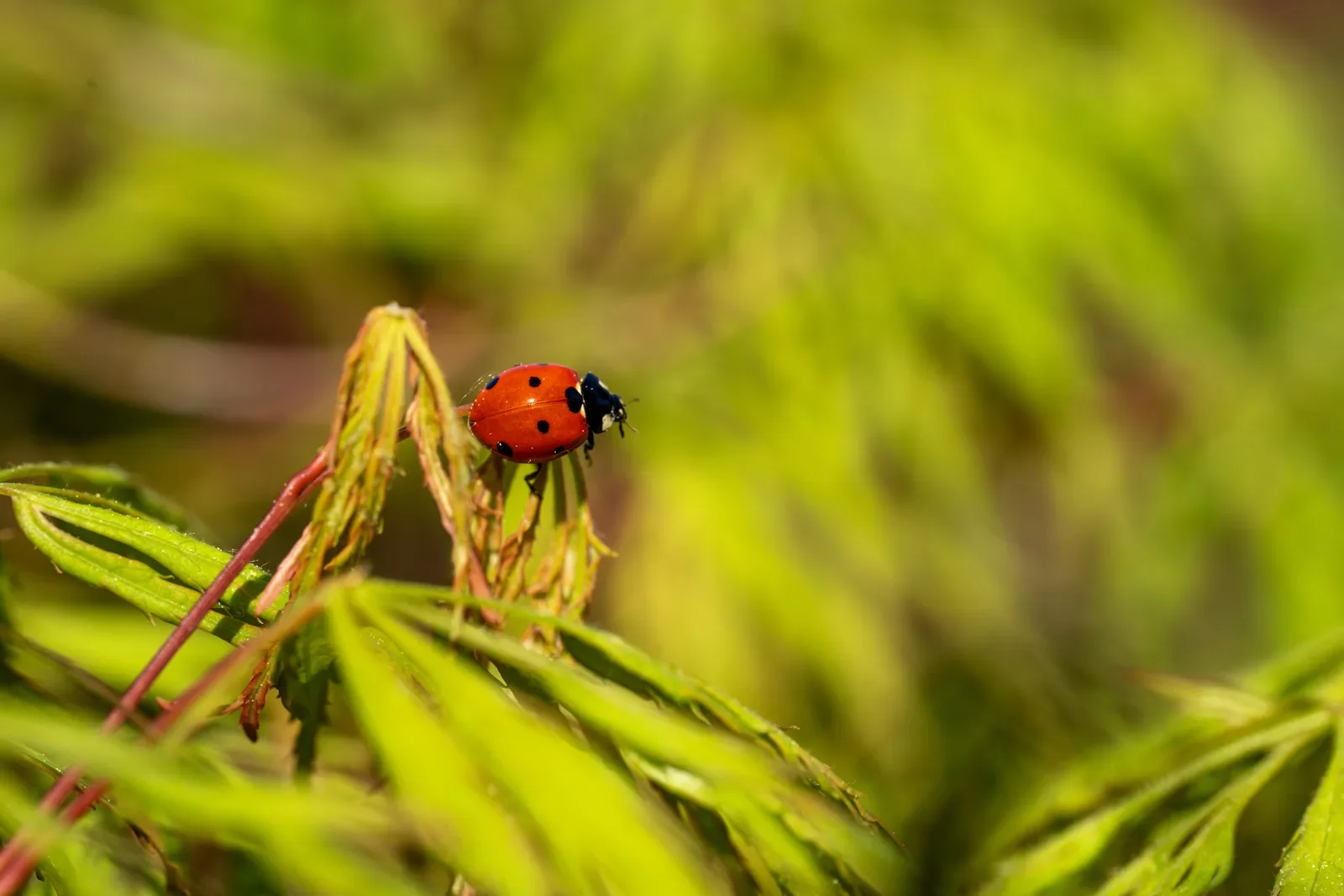
A biodiverse garden takes more than flowers
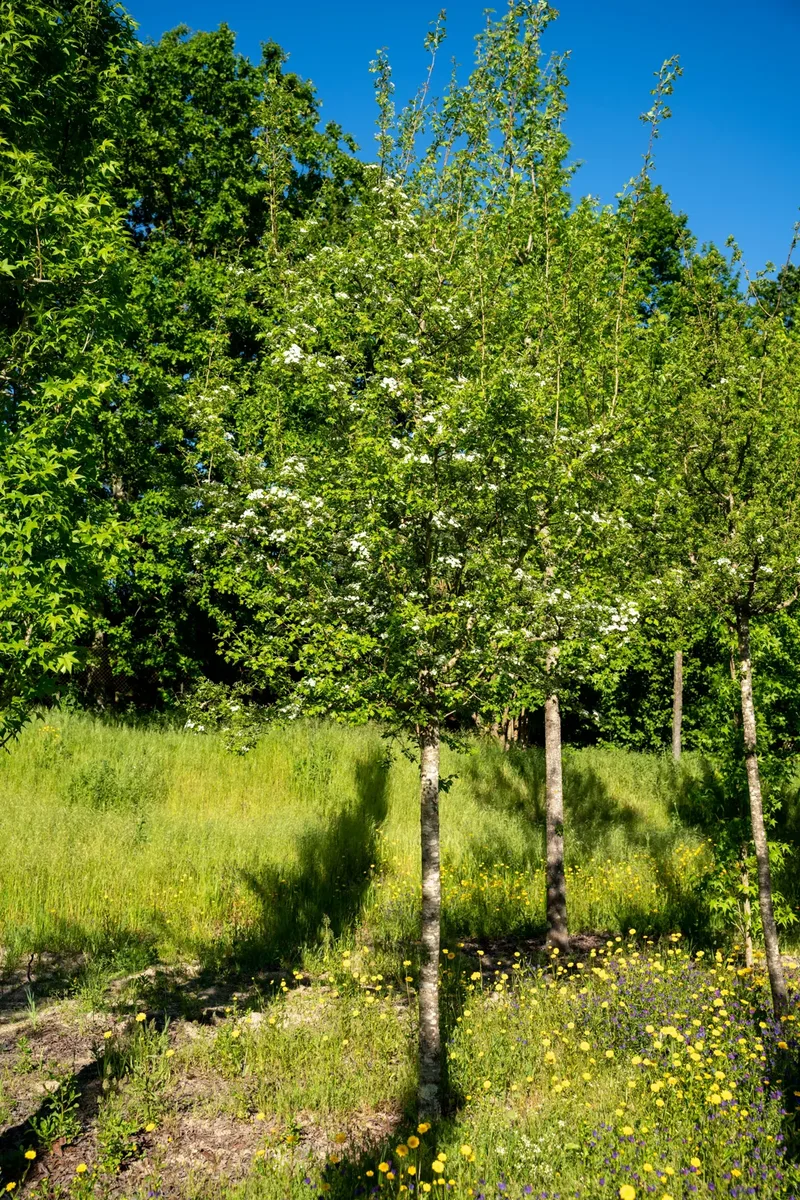
A biodiverse garden takes more than flowers. It also depends on shelter, water, living soil, breeding sites and continuity between habitats.
Read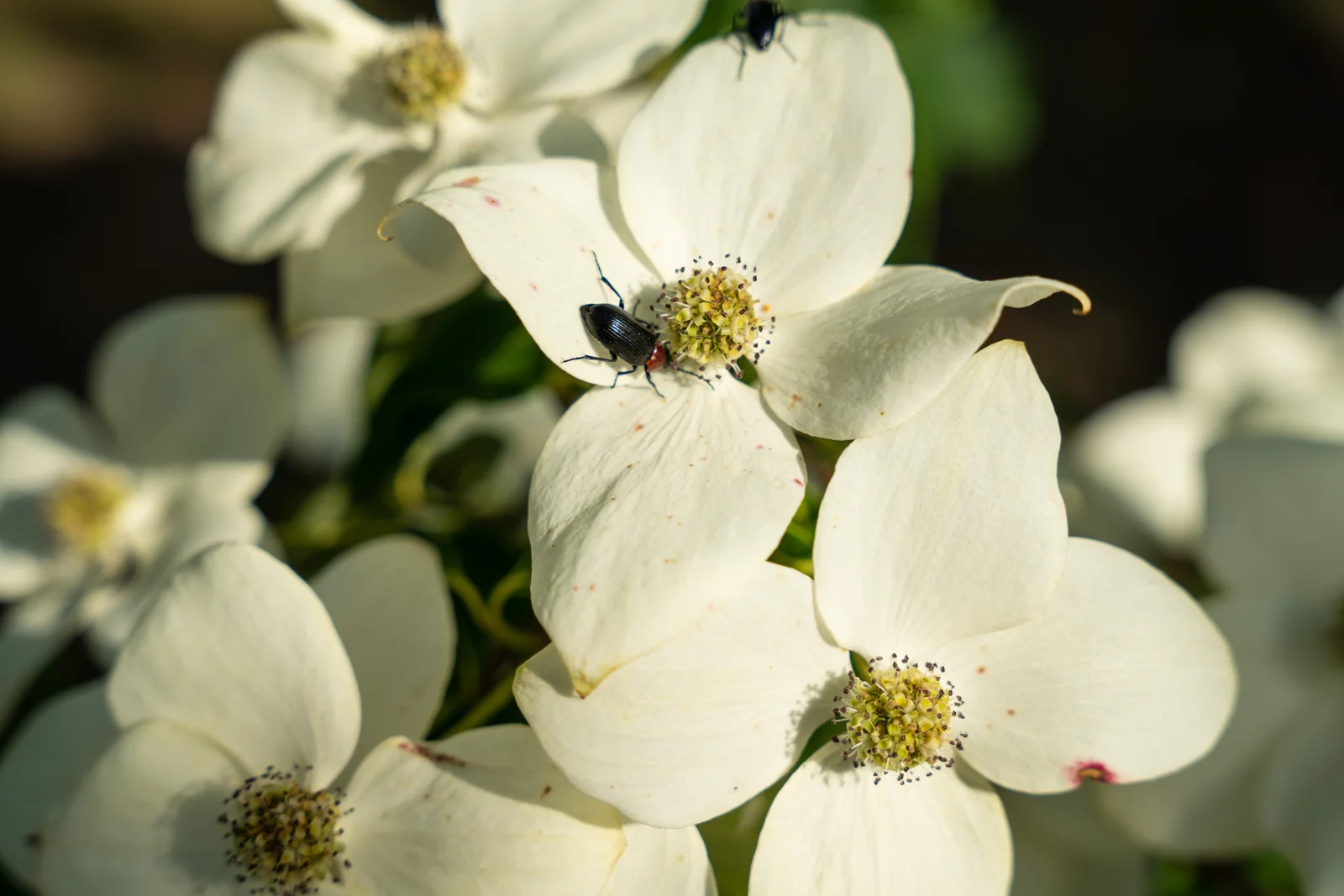
Diaplant · Blog
159 articles written by the people who grow, plant and maintain mature trees — from choosing the species to the works and maintenance. Filter by topic or by type of content.
1–24 of 159 articles · page 1 of 7
Showing articles 1 to 24 of 159. Page 1 of 7.
A biodiverse garden takes more than flowers. It also depends on shelter, water, living soil, breeding sites and continuity between habitats.
ReadCreating a woodland is not a matter of setting out individual trees at regular intervals. It means building canopy, intermediate species, edge, evergreen cover…
ReadGates, paving, crane reach and the overhead path all limit the size of the tree. See what should be measured before you reserve.
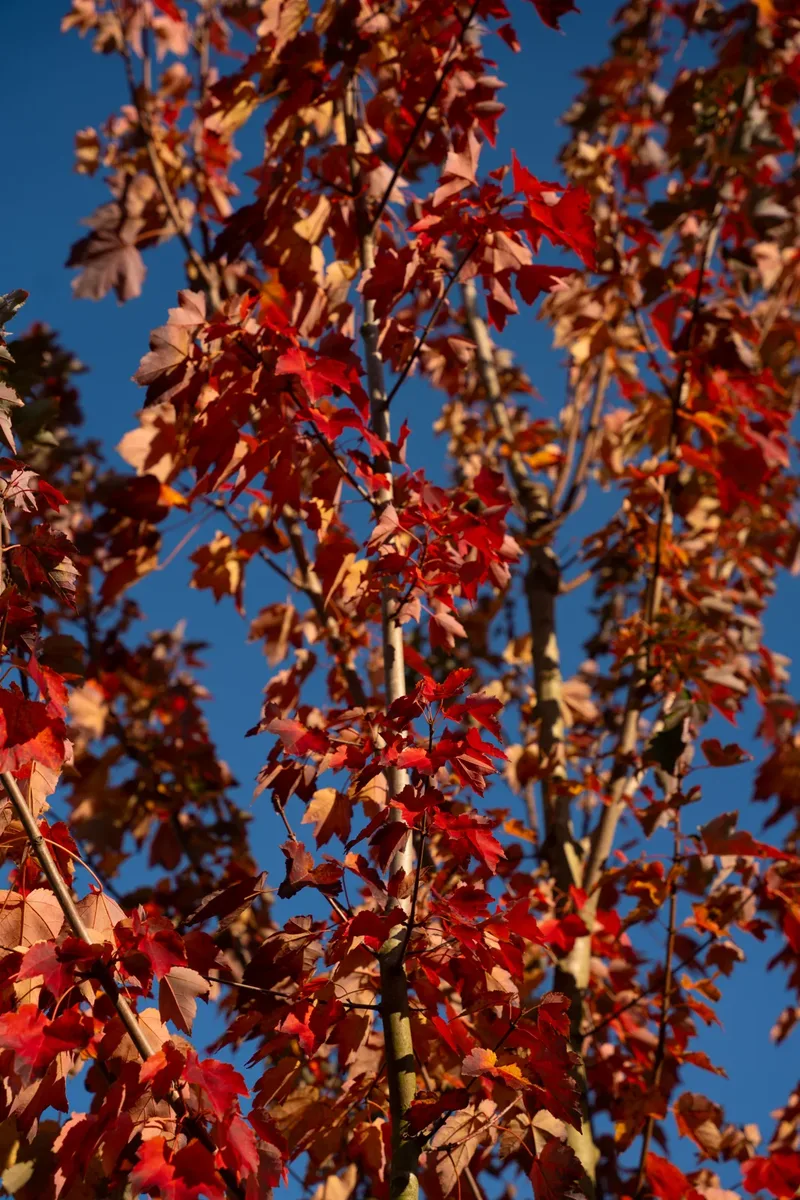
ReadAcer rubrum ‘October Glory’ is a large tree with intense autumn colour. Find out what soil, water and space it needs.
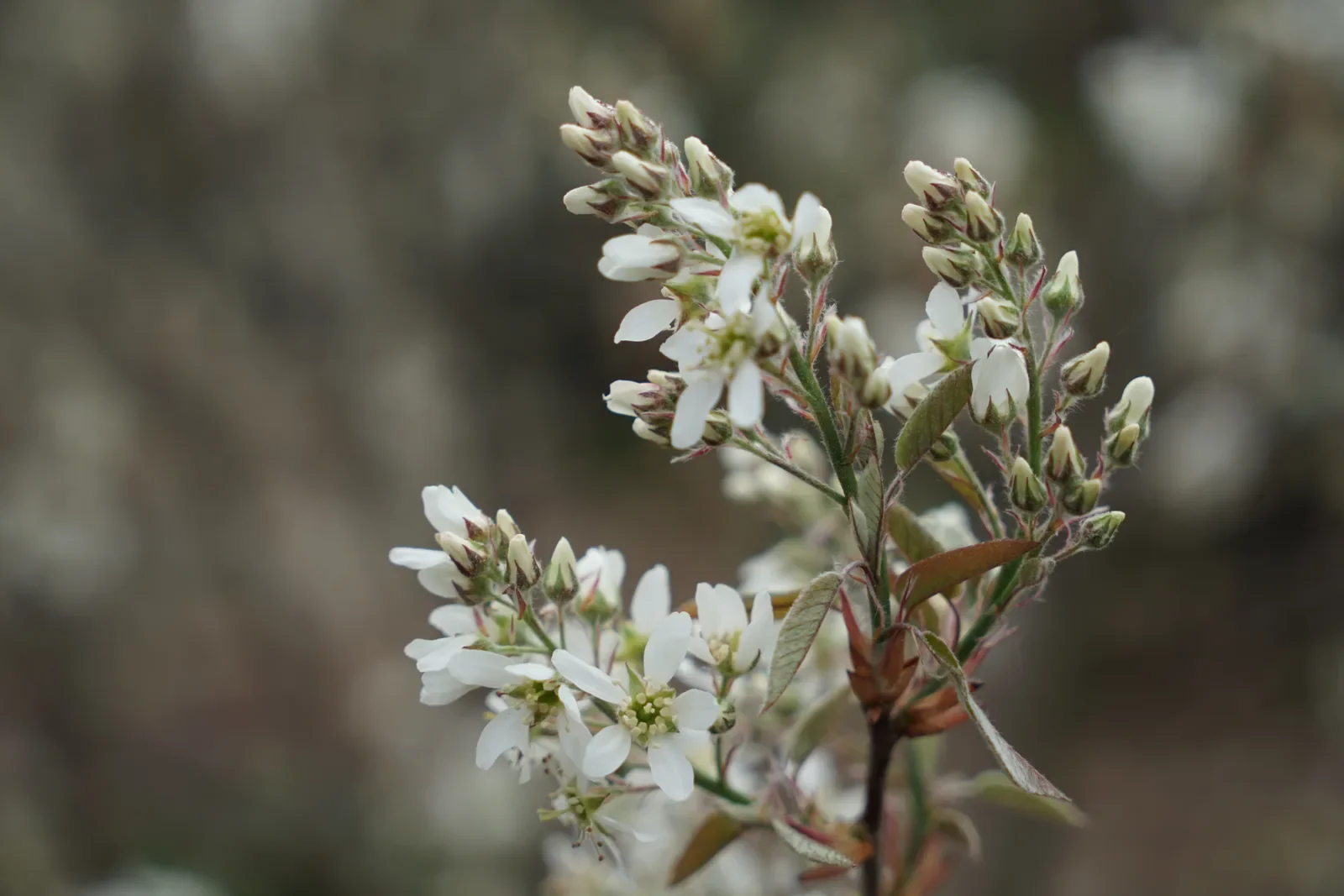
ReadAmelanchier lamarckii combines white flower, fruit and autumn colour in a small tree with a light crown.
ReadA calendar organises planting, watering, pruning and weeding through the year. It should be adapted to the region, the climate and the condition of the plants.
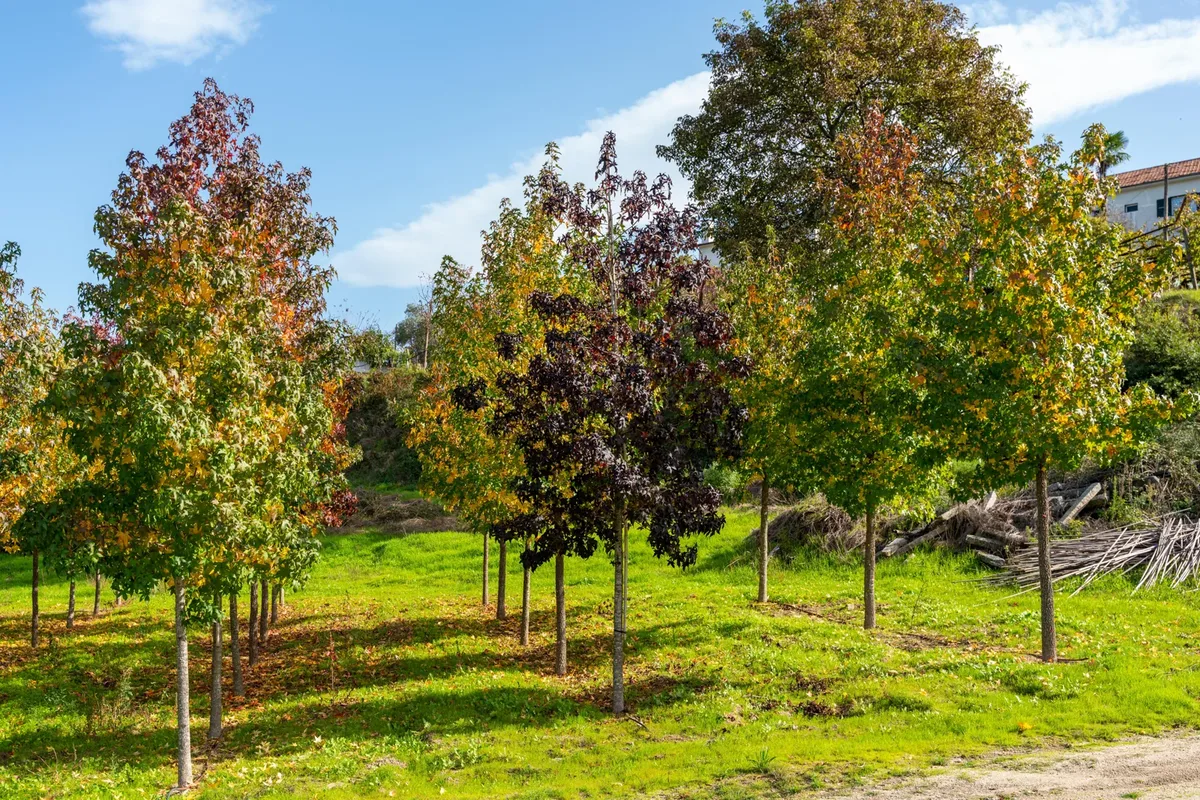
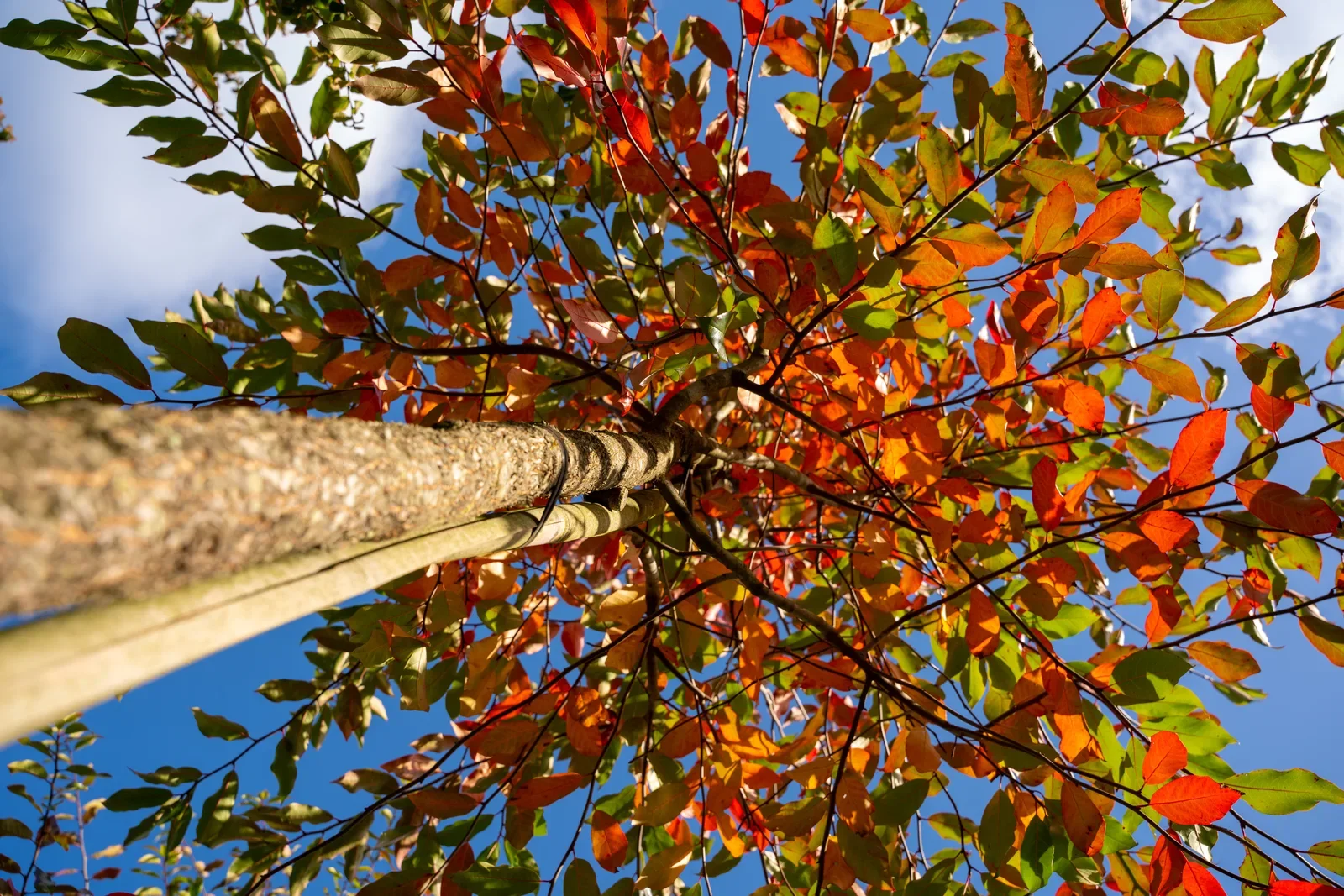
ReadAutumn is more than the leaves changing colour. Fruit, seed, bark, branches, evergreens and the very transparency of the crowns can extend the garden’s…
ReadAutumn trees should not be compared only by the most intense colour in a photograph.
ReadAdopting appropriate planting methods is vital to ensure the health and longevity of trees, from choosing the ideal time to plant onwards.
ReadThis article explores some of the basic concepts that should guide the garden supervisor in the practical decisions to be made, to ensure the sustainability,…
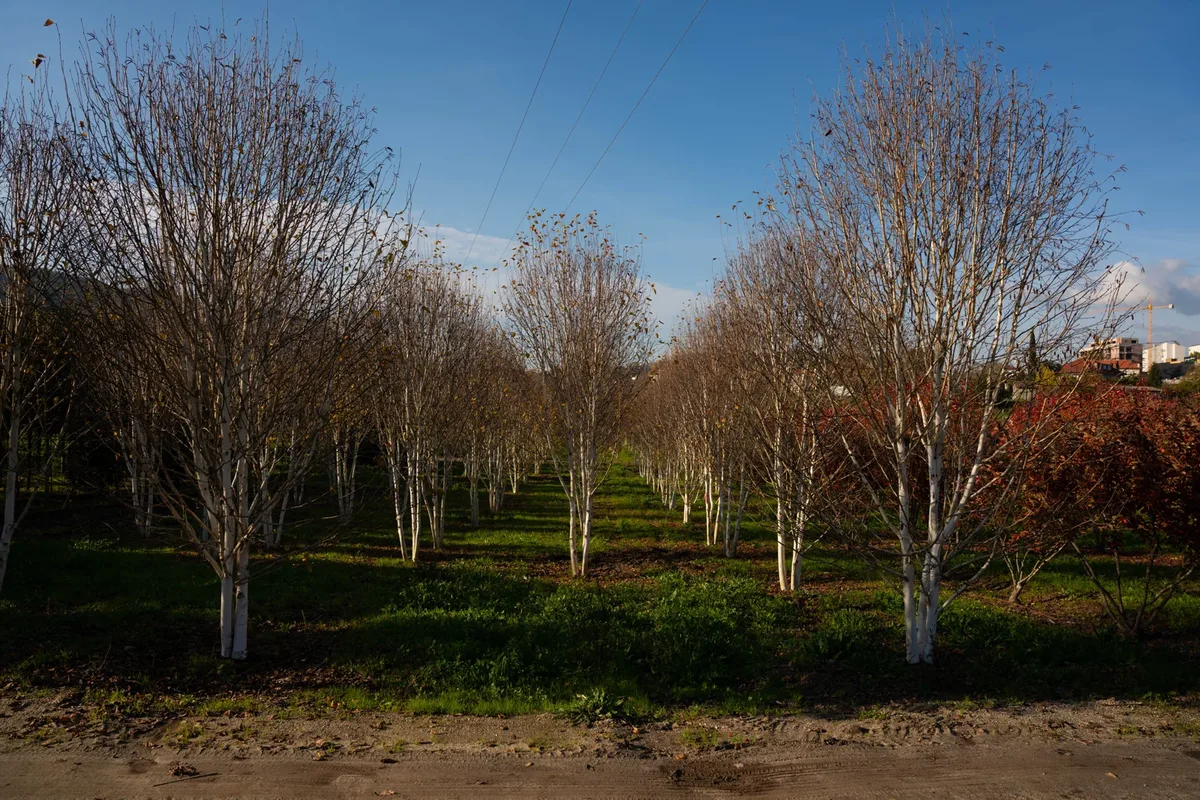
ReadThe Himalayan birch stands out for its white bark, but it needs moist soil and regular watering. Find out the conditions it needs and the ways it can be used.
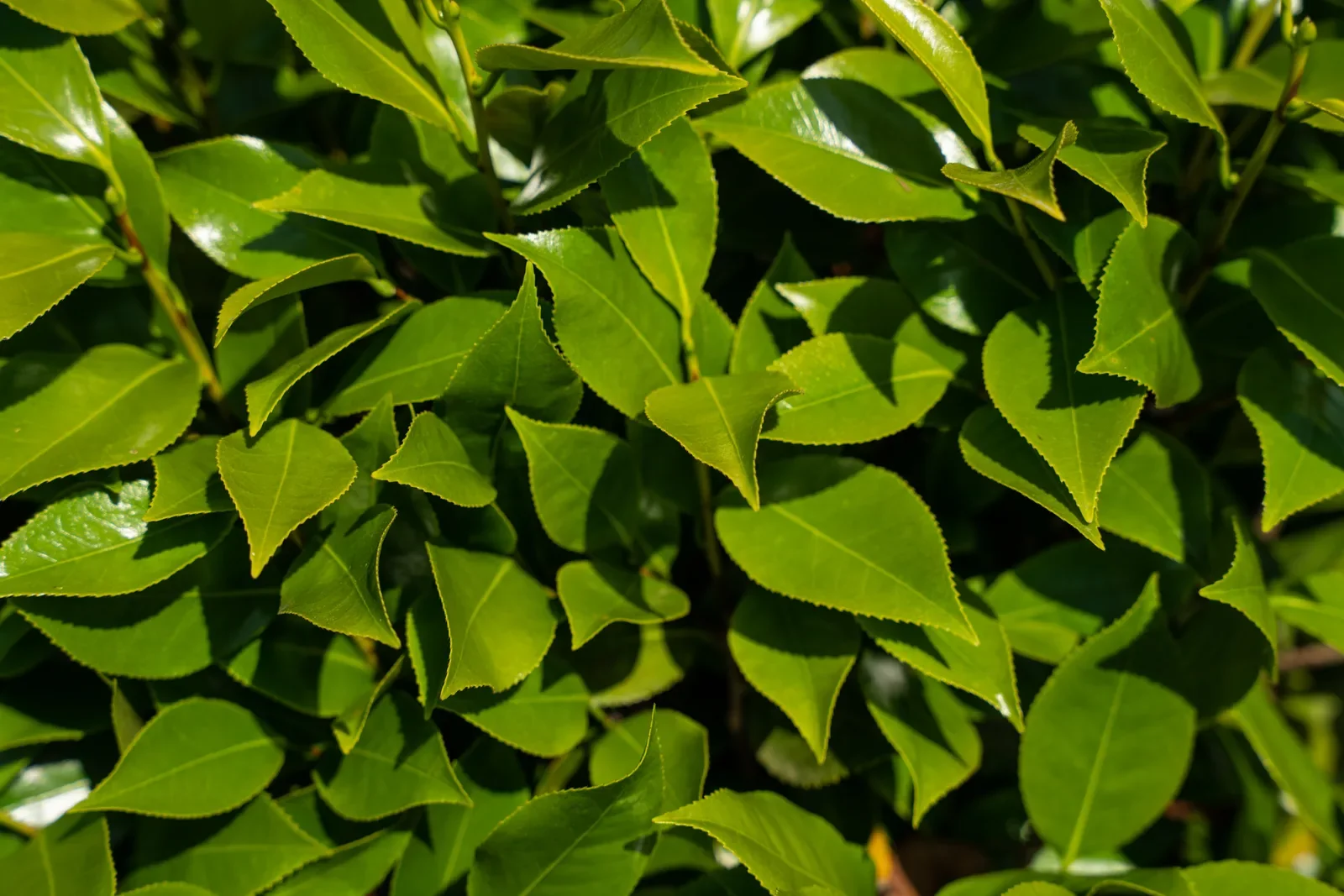
ReadA biodiverse hedge can give protection from views and wind while offering flower, fruit and shelter. To work, it needs compatible modules, width and pruning.
ReadA biodiverse hedge combines species and structures to deliver protection, flower, fruit and shelter at different times.
ReadBringing spring forward means including trees and shrubs that flower in late winter or at the start of the season, rather than relying only on the best-known…
ReadTrees reduce exposure to heat mainly through shade and evapotranspiration. The benefit a person feels depends on the position of the crown.
ReadClay can be fertile, but compaction and waterlogging restrict the roots. Find out how to prepare the ground without creating an isolated planting hole.
ReadA complete planting combines layers. Trees give structure, shrubs build mass, and perennials and ground cover occupy the lower layer.
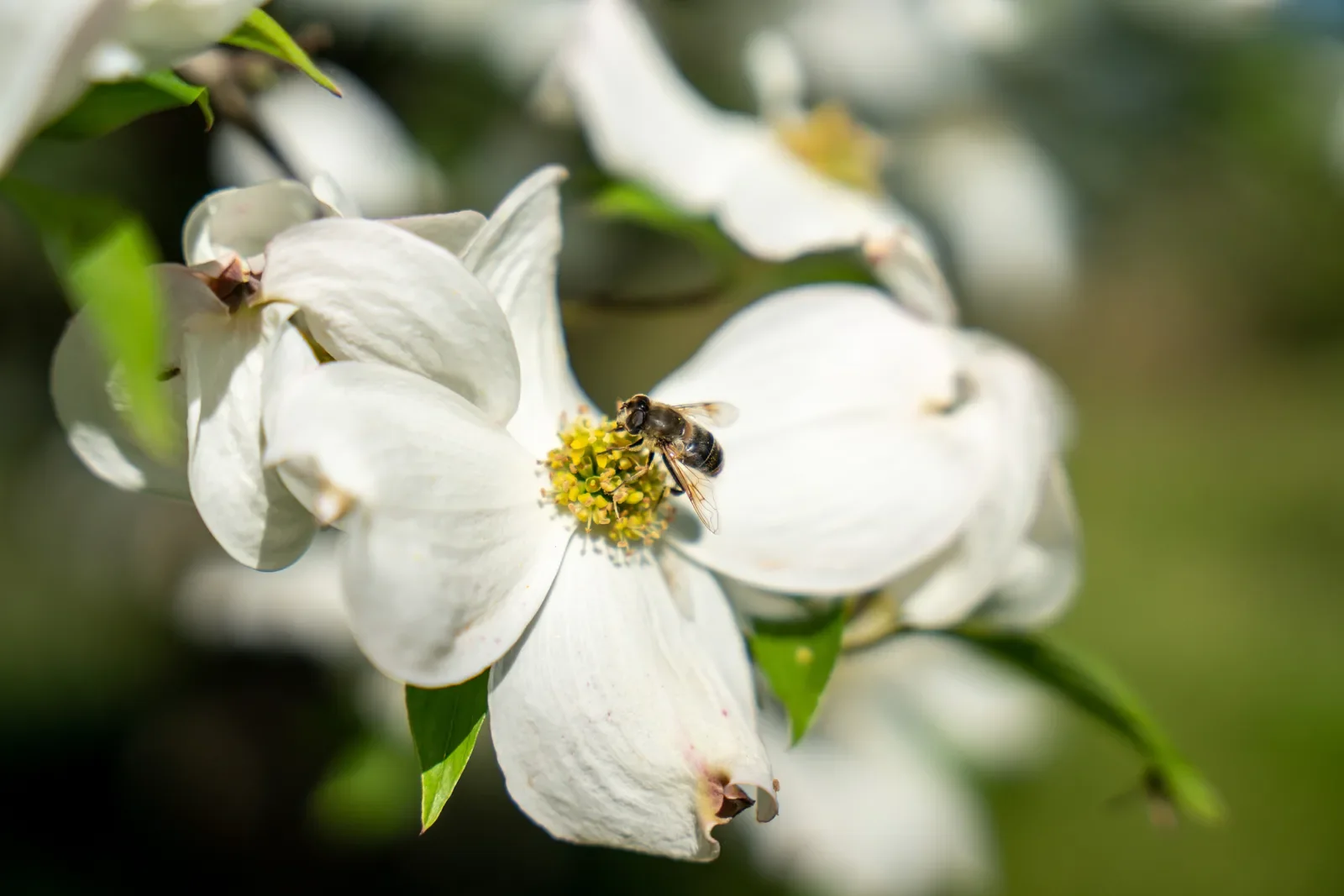
ReadAvoiding months without food for pollinators takes a sequence of accessible flowers, with nectar and pollen, spread through the year.
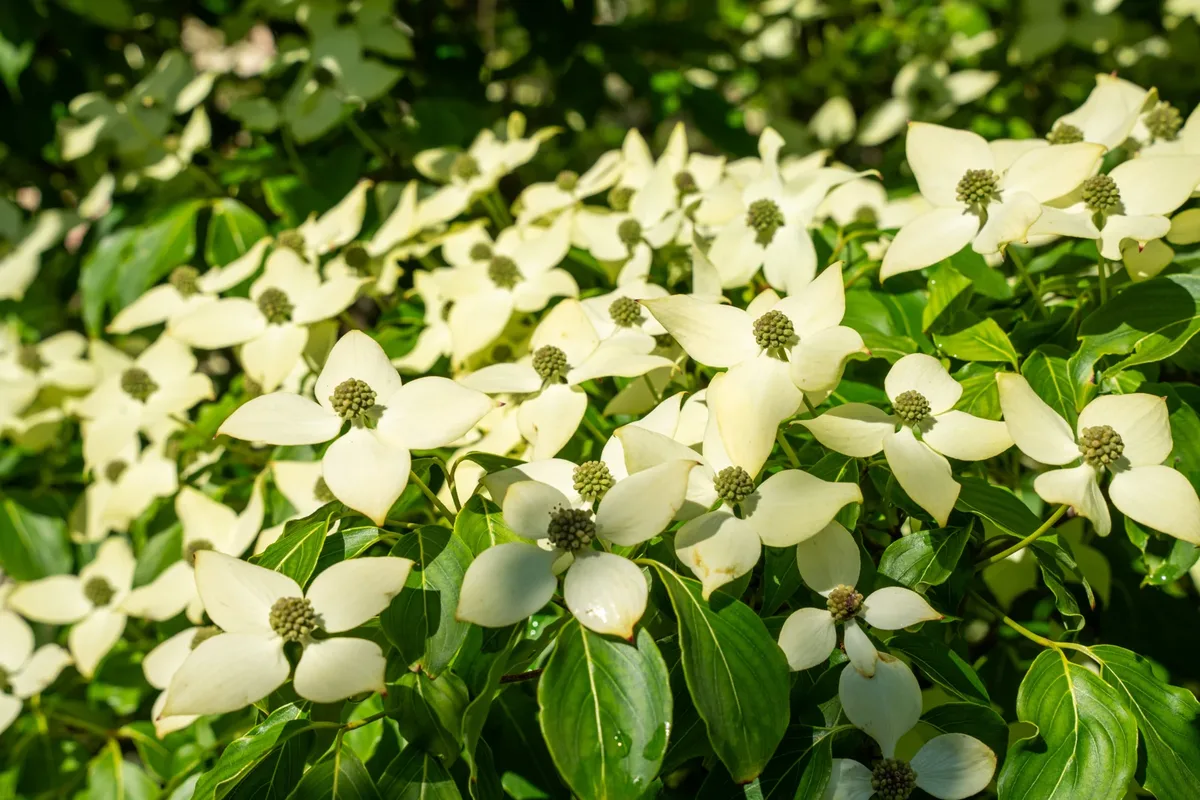
ReadCornus kousa offers pale bracts, fruit and autumn colour. Find out which soil, aspect and space suit this small tree.
ReadCultivars of the same species can differ in flower form, fertility, fruit and value to pollinators. The species name is not enough to compare them.
ReadDesigning for twelve months means spreading interest, structure and resources through the year, instead of concentrating the selection on spring flowering.
ReadA planting hole can hold water even when the surface looks dry. Find out how to diagnose drainage and avoid gravel or pipes with no outlet.
ReadA drought-tolerant plant may need watering during establishment and may lose ornamental performance when water is very limited.
ReadTrees for dry soils should be selected for low watering after establishment, not for abandonment.
Read100 frequently asked questions on selection, planting, transport, soil and maintenance, answered in a few lines.