4 min
How a tree is prepared before dispatch
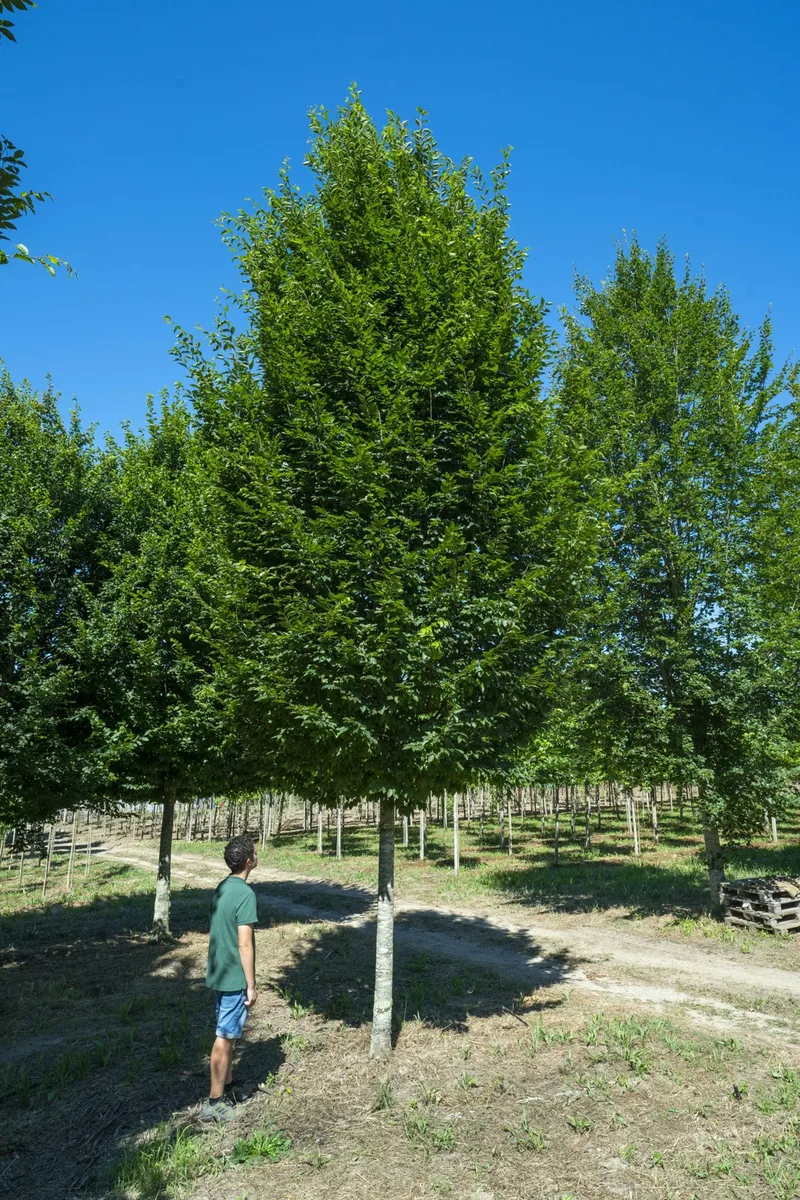
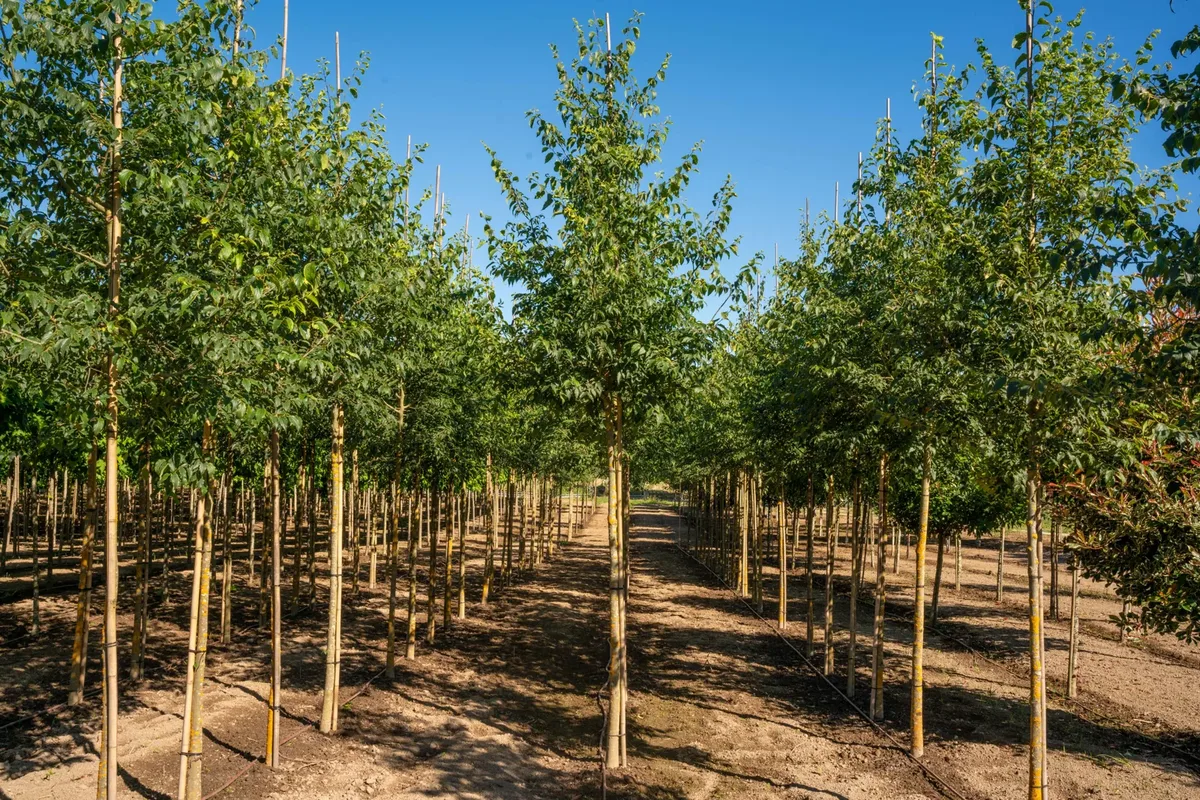
Before dispatch, the tree is identified, lifted, wrapped and protected. Discover the steps that preserve the rootball, the crown and the trunk.
Read
Diaplant · Blog · Page 3 of 7
159 articles written by the people who grow, plant and maintain mature trees — from choosing the species to the works and maintenance. Filter by topic or by type of content.
49–72 of 159 articles · page 3 of 7
Showing articles 49 to 72 of 159. Page 3 of 7.
Before dispatch, the tree is identified, lifted, wrapped and protected. Discover the steps that preserve the rootball, the crown and the trunk.
ReadBuilding an outdoor space means coordinating ground, drainage, structures, services, materials and planting.
ReadThere is no universal soil volume for all trees. What is needed depends on the eventual size, the species, the quality of the ground, the climate and the water.
ReadA tree’s crown is monitored from a young age. We explain how formative pruning guides the structure without erasing the natural form of the species.
ReadThe quality of a mature tree depends on the roots, the rootball, the trunk, the crown and its suitability for the project. Find out what should be looked at.
ReadAssessment starts with the history of the site, soil profiles and infiltration. Find out when to ask for an analysis and how to turn results into decisions.
ReadBriefing comes before the design and sets out uses, priorities, maintenance, timescale and investment. Find out what information is needed.
ReadA phenological calendar records when each plant produces leaf, flower, fruit, autumn colour, leaf fall or bark interest.
ReadA visit to the nursery lets you compare crown, trunk, rootball, orientation and scale. Find out what to bring and what to look at before reserving a tree.
ReadChoosing a tree should start from the place: space, soil, water, aspect, function and maintenance. See the criteria before you select the species.
ReadConverting a lawn can be phased without taking the garden out of use straight away.
ReadUnderground services share space with foundations, roots and drainage. Coordination avoids valve boxes in the middle of a trunk or cables laid where soil…
ReadA maintenance plan sets out aims, tasks, frequencies and responsibilities. Learn how to organise planting, irrigation and equipment.
ReadMeasuring a garden’s biodiversity does not mean counting every species. Simple, repeated indicators let you track changes over time.
ReadThe first two years call for checks on water, staking, root collar and crown. Find out what records to keep and when to step in.
ReadDensity, species, access, irrigation and materials determine the work to come. Find out how to build maintenance in before construction.
ReadSymbols, codes, spacings and measurements need to be cross-checked against the key and the specifications. Find out how to read and carry out a plan.
ReadMunicipal tree plans can have similar titles and very different functions. Some are inventories and planting programmes. Others set decision criteria.
ReadTrees, shrubs, perennials and lawn should not be on the same programme. Learn how to separate zones, calculate volumes and adjust as the planting establishes.
ReadA mature tree needs deep watering during establishment. Find out how to check moisture and avoid both drought and waterlogging.
ReadHydrozoning organises the garden by real water needs. The zones are defined by aspect, soil, layer, use and establishment phase, and not just by proximity.
ReadImmediate shade depends on the real specimen: width, crown density, clear stem height, orientation and the state of the foliage.
ReadA Japanese-inspired garden comes from the relationship between empty space, scale, rhythm, stone, water and seasonal change.
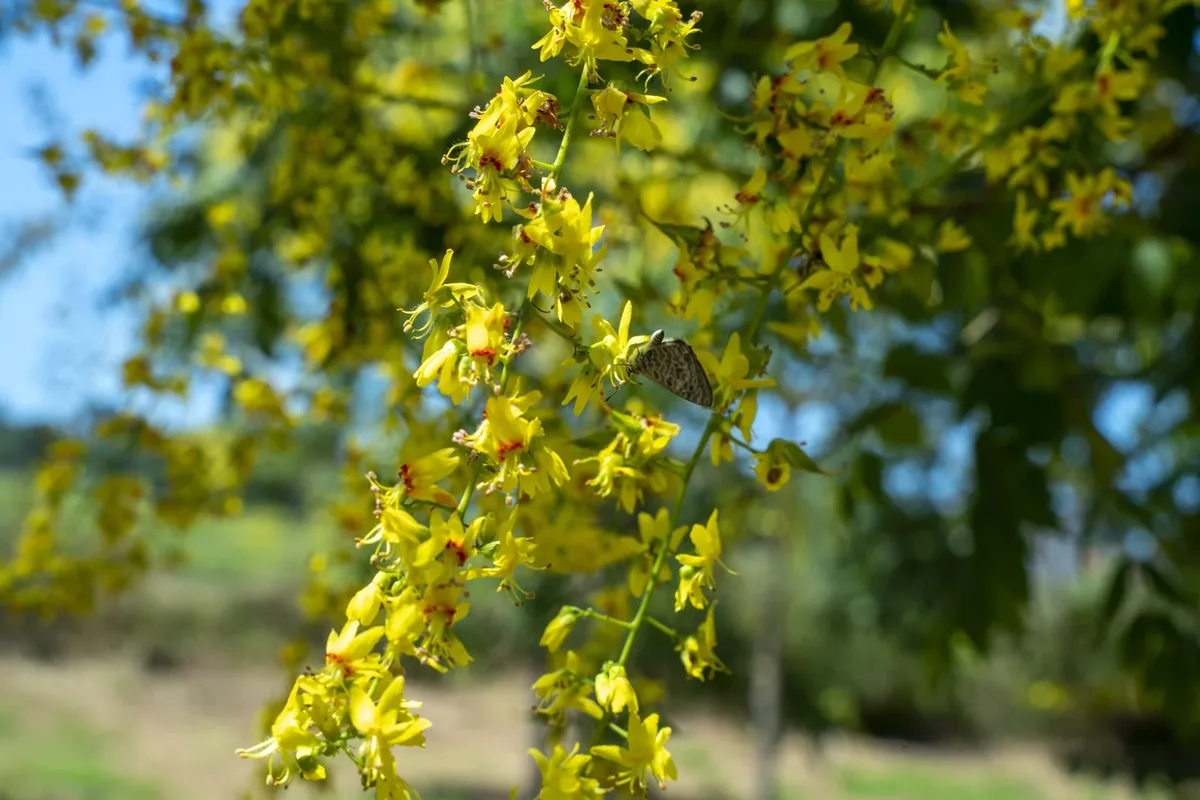
ReadKoelreuteria paniculata combines yellow summer flowers with ornamental capsules. Find out what space, soil and maintenance it needs.
Read100 frequently asked questions on selection, planting, transport, soil and maintenance, answered in a few lines.