Species sheetSelecting species and forms·4 min
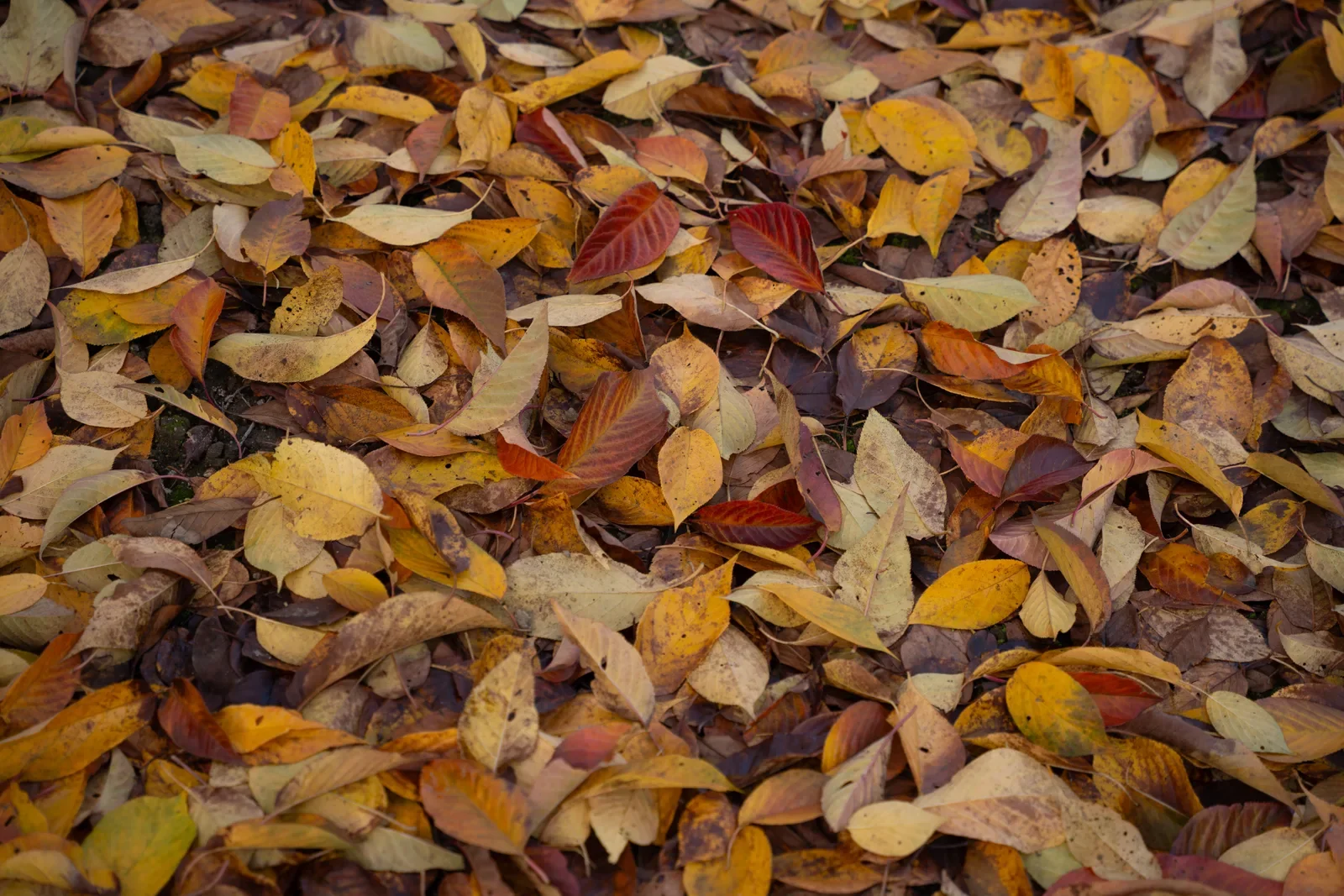
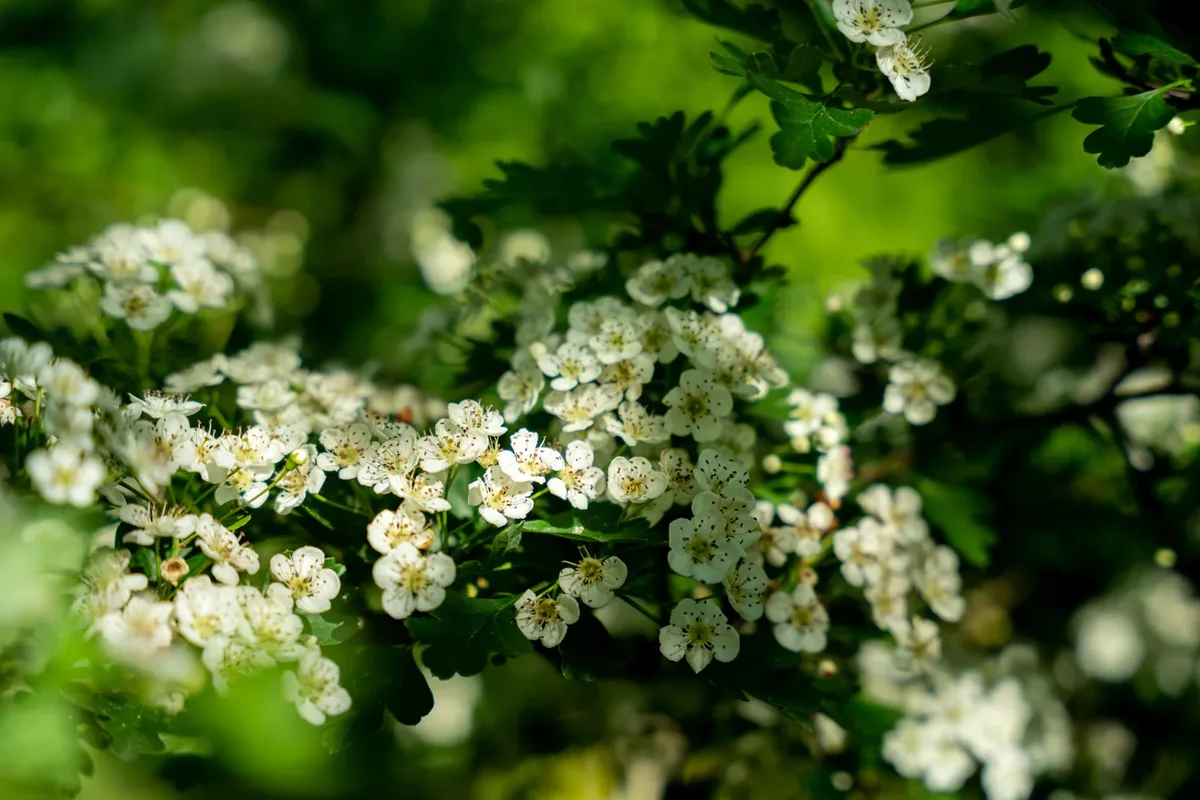
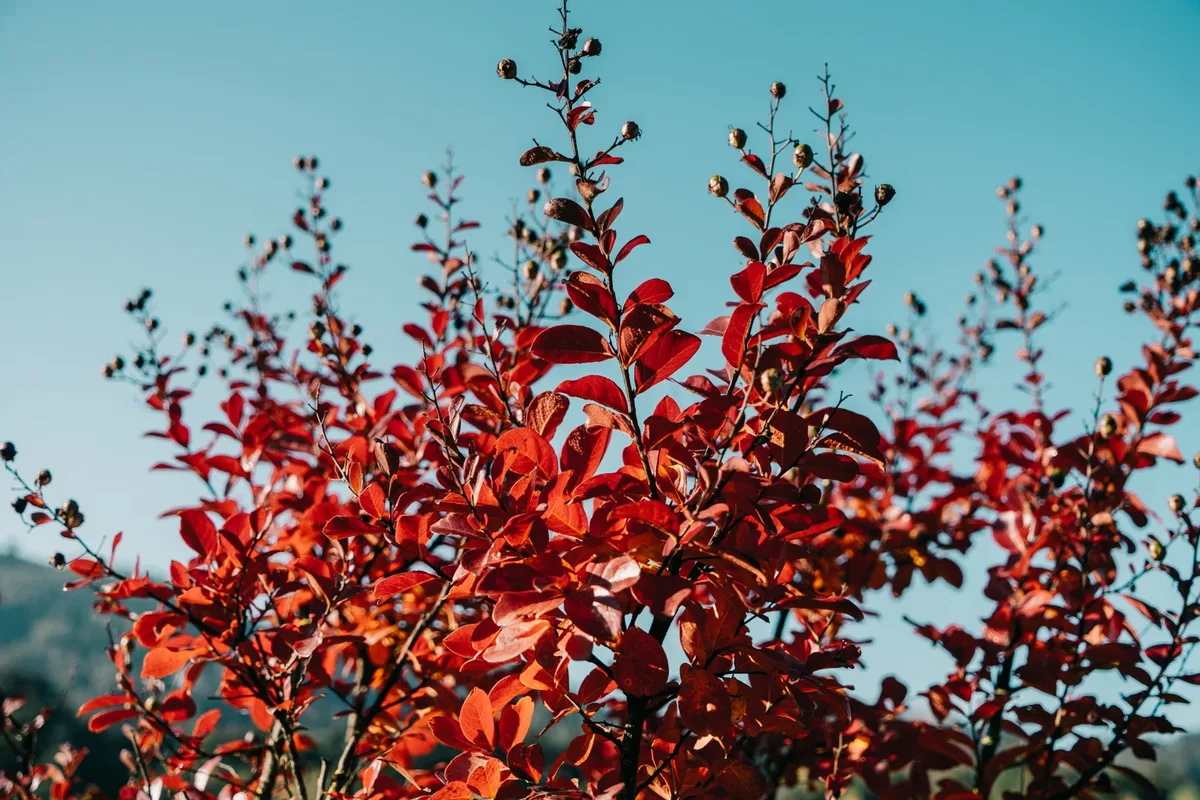
Lagerstroemia indica: summer flowering, cultivars and use
Lagerstroemia indica offers summer flowers, decorative bark and autumn colour. Learn about cultivars, aspect and care.
Read
Diaplant · Blog · Page 4 of 7
159 articles written by the people who grow, plant and maintain mature trees — from choosing the species to the works and maintenance. Filter by topic or by type of content.
73–96 of 159 articles · page 4 of 7
Showing articles 73 to 96 of 159. Page 4 of 7.
Lagerstroemia indica offers summer flowers, decorative bark and autumn colour. Learn about cultivars, aspect and care.
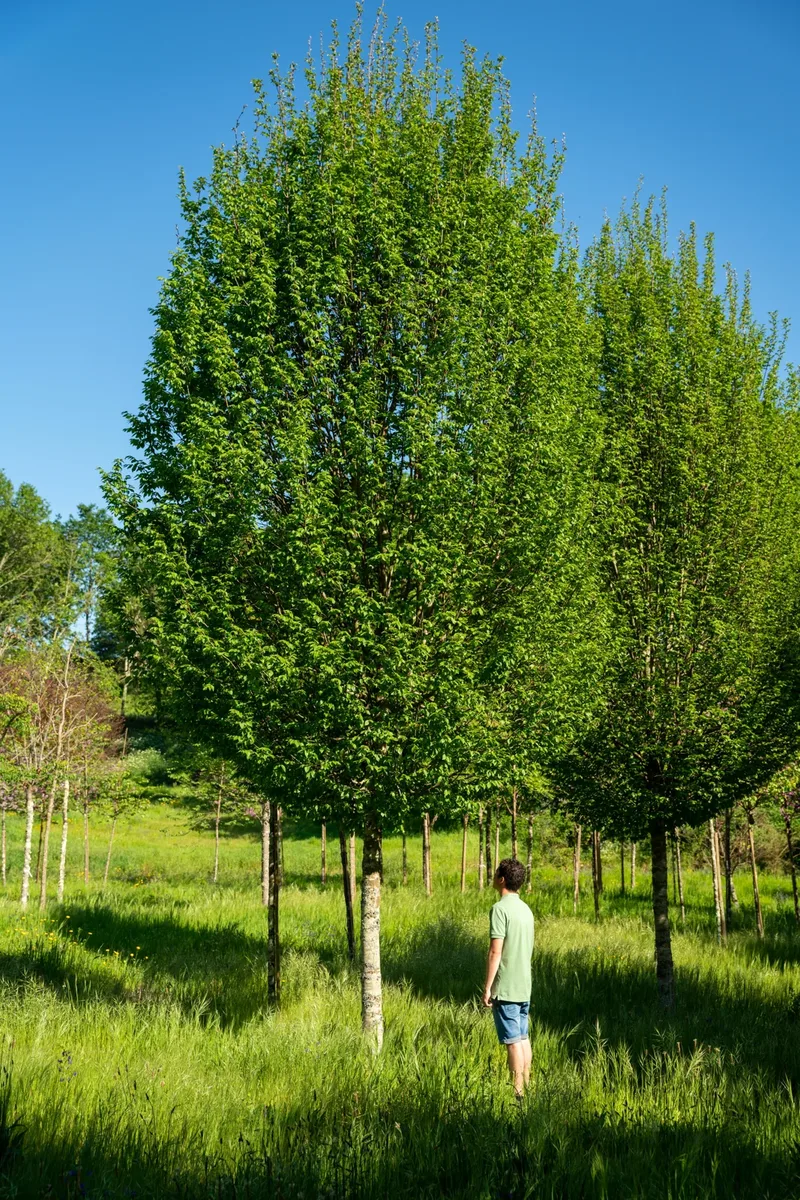
ReadA large tree can have size without the same maturity or preparation. We explain what separates size, age, training and nursery quality.
ReadThere is no universal solution for replacing the lawn. The right choice depends on what happens in each area: movement, lingering, play, aspect.
ReadLeaves, dead wood and small areas of bare soil are habitat components that conventional maintenance tends to remove.
ReadLiving ground cover and mulch protect the soil in different ways. Mulch reduces evaporation, rain impact and weeds through an organic layer.
ReadLong flowering can give continuity, but a succession of flowerings offers greater diversity over time and reduces dependence on a single species.
ReadA low-water Mediterranean selection combines structure, shade and ground cover, but it only cuts water use once the plants are properly established.
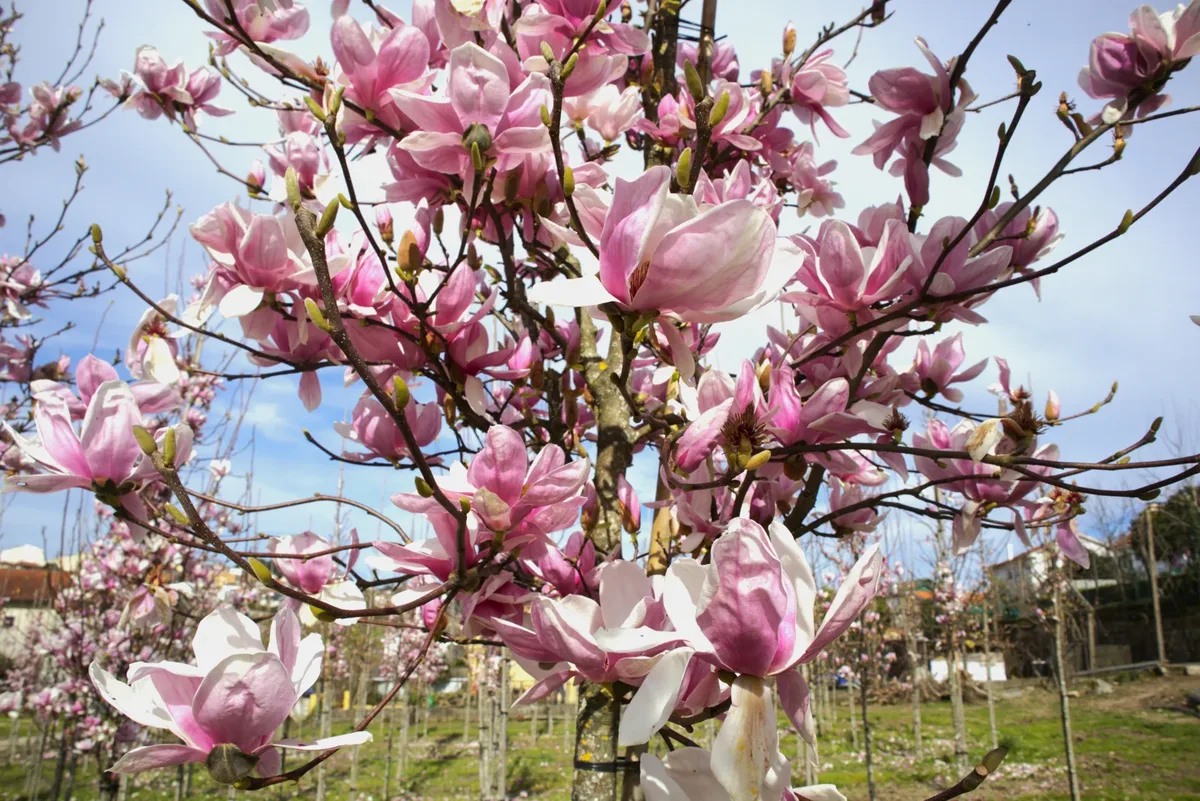
ReadMagnolia × soulangeana offers early flowers and a broad crown, but it needs well-drained soil and care with its roots. Get to know the species.
ReadMatrix planting uses a dominant species to give continuity and a smaller set of plants to introduce flowering, texture or seasonal variation.
ReadIn a narrow street, the crown has to coexist with façades, lighting, signage and traffic.
ReadA native Atlantic base can give structure to projects on the moist soils of northern Portugal, but it should not be applied without a diagnosis.
ReadThe choice between native and exotic species should not be binary. Natives suited to the place are an important base for their ecological relationships and…
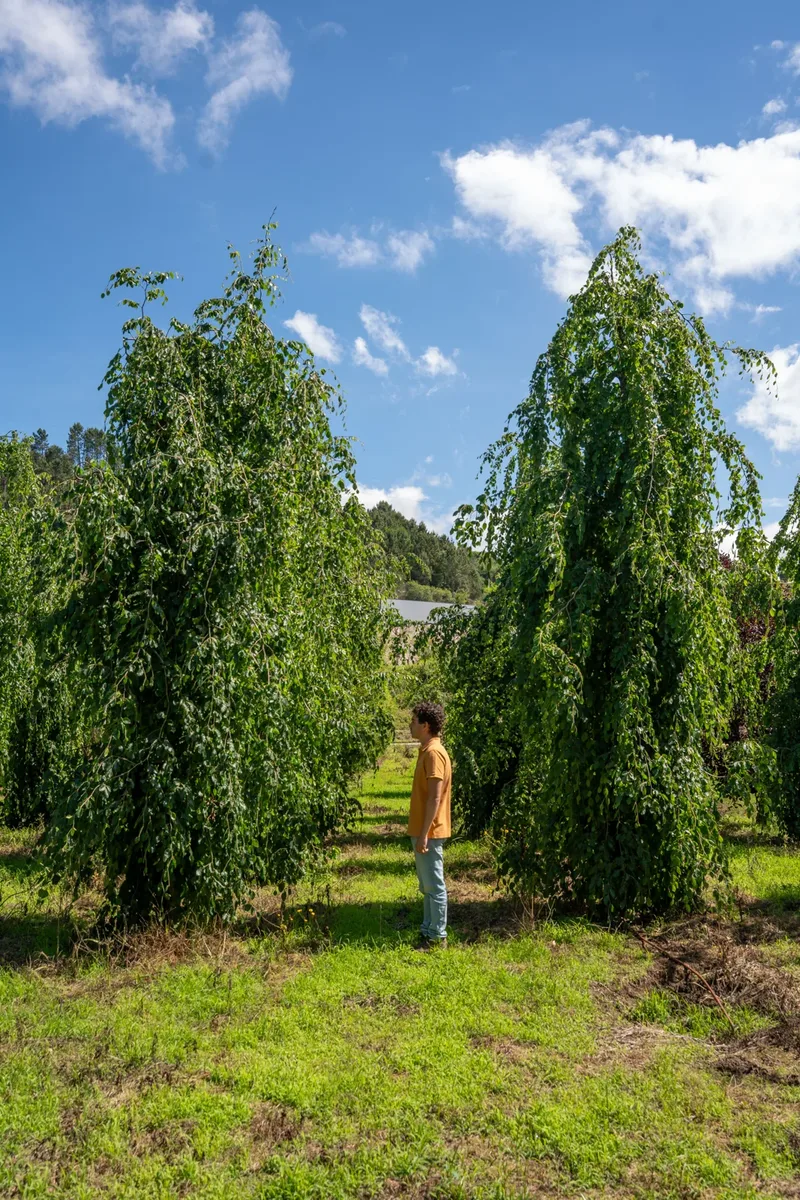
ReadCrown form shapes shade, width, views and maintenance. Learn the differences between natural, globe, columnar and pleached crowns.
ReadA productive area can be part of the garden design without being treated as a decorative element. It needs access, water, pruning, harvesting and soil…
ReadWoodchip, bark, gravel and other aggregates protect the soil in different ways. Compare water, temperature, weeds and maintenance.
ReadOrigin, provenance and genetics describe different scales. Origin indicates whether or not a species is native to a territory; provenance identifies where the…
ReadLighting without erasing the night means using only the light that is needed, in the place and for the period it is needed.
ReadWet soils, drainage areas and riverbanks do not correspond to the same regime.
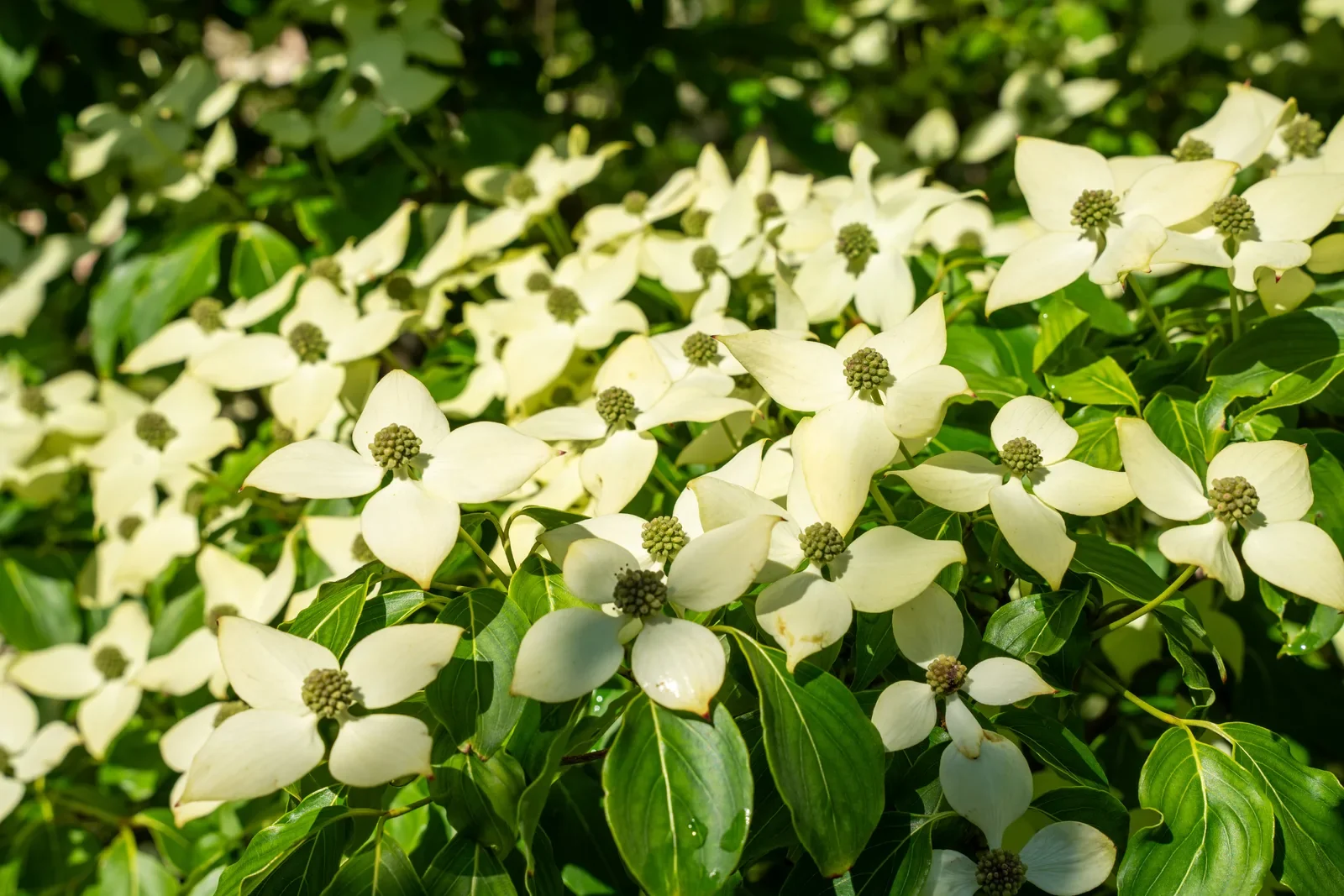
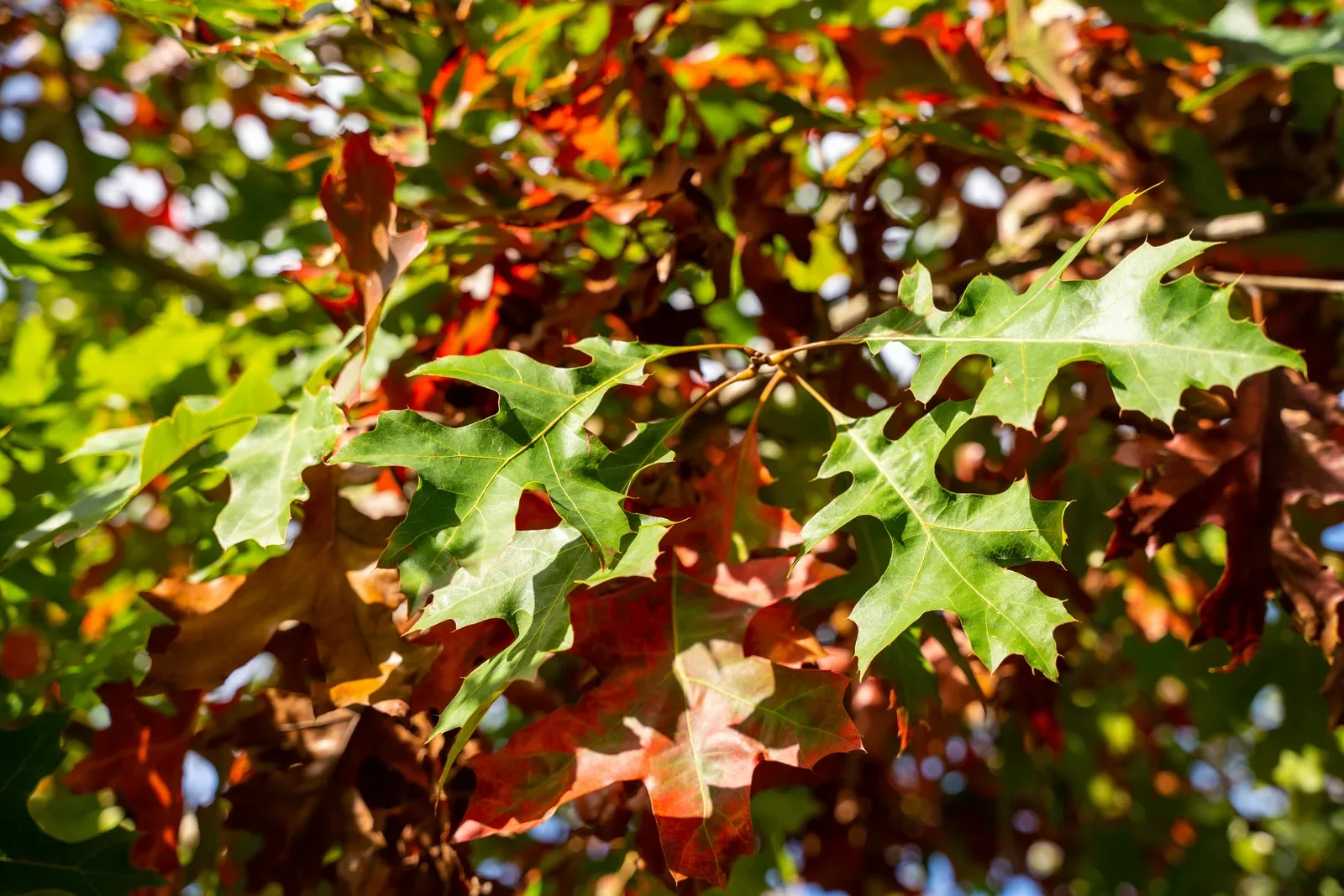
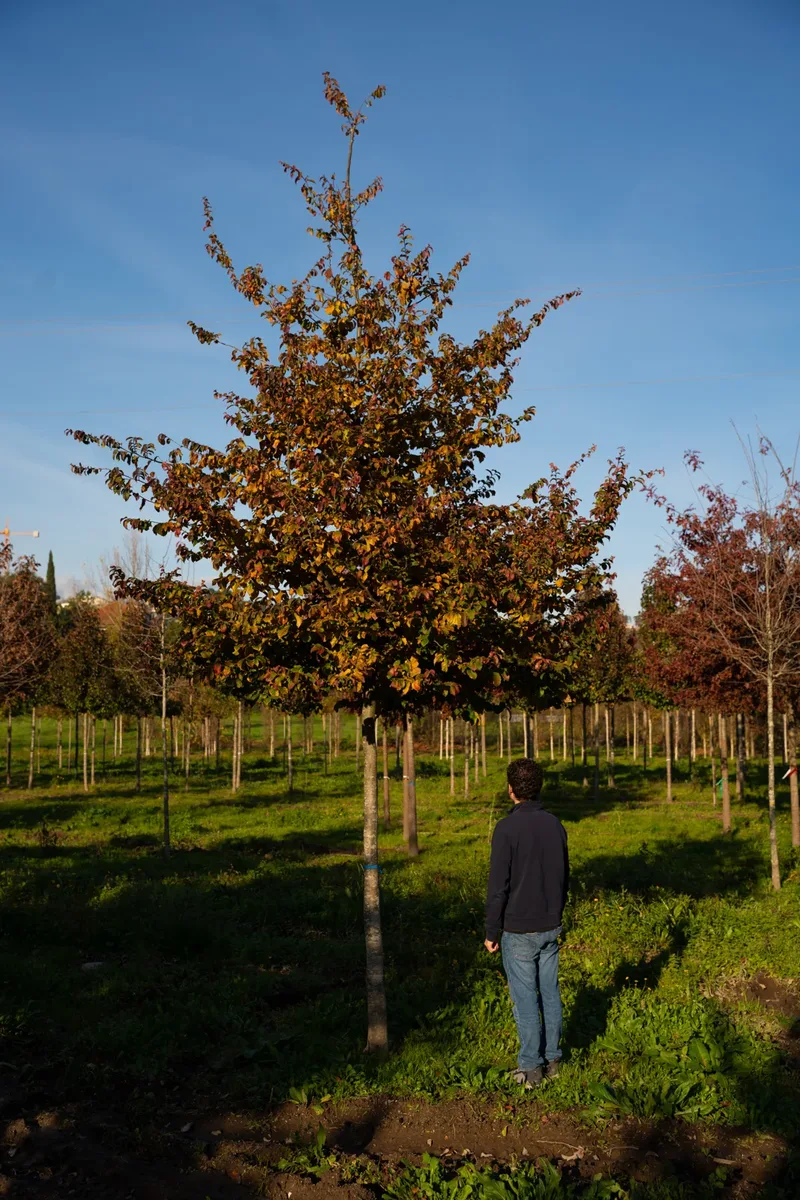
ReadParrotia persica offers autumn colour, decorative bark and a broad crown. Get to know its forms, conditions and use.
ReadBuilt elements organise circulation, resolve levels and create places to spend time in. They should be thought through together with water, planting and the…
ReadPlanning external works organises tasks that depend on one another. Spreading the work across weeks is not enough.
ReadPlanted permeable paving uses joints, cells or open areas to let water soak in and to bring in vegetation.
ReadPlanted swales, or bioswales, convey water at the surface while they reduce its velocity, trap sediment and can encourage infiltration.
ReadThe hole depends on the rootball, the soil and the drainage. Learn the Diaplant rule and the difference between planting depth and prepared volume.
Read100 frequently asked questions on selection, planting, transport, soil and maintenance, answered in a few lines.