Diaplant
Leaves, dead wood and small areas of bare soil are habitat components that conventional maintenance tends to remove.
Leaves, dead wood and small areas of bare soil are habitat components that conventional maintenance tends to remove. Kept selectively, they can feed the soil, shelter invertebrates and support nesting. The aim is not to leave the whole garden untidied, but to set aside areas where these materials have a function.
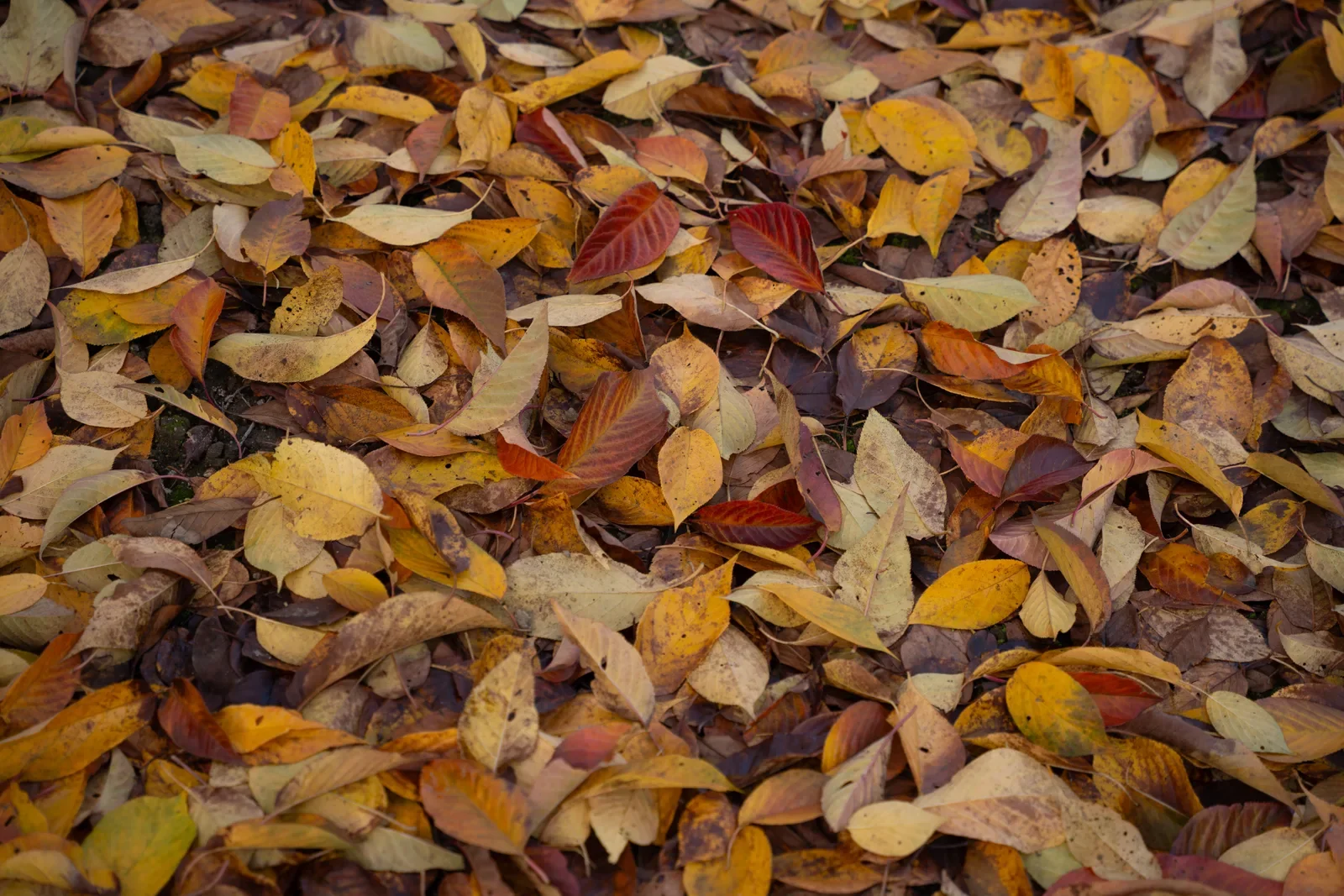
Leaf litter is more than waste
Leaves that build up under trees and massed planting protect the soil, reduce swings in temperature and feed decomposers. On lawns and paving, they may need to be removed for reasons of use or safety; elsewhere, they can be redistributed.
Differentiated management avoids carting organic matter out of the garden unnecessarily.
Dead wood at a suitable scale
Decaying branches and trunks support fungi and invertebrates. In private gardens, they can be worked discreetly into copses or boundaries, always assessing stability, fire risk and proximity to people.
There is no need to keep material from diseased trees when there is a plant health risk. The selection should be a technical one.
Why some bare soil can be valuable
Certain insects nest in exposed, well-drained soil. Total ground cover, deep mulch or geotextile can eliminate those sites. Small, controlled, sunny patches add heterogeneity.
Maintenance should distinguish intentional bare soil from a planting failure or erosion. Edges and location help to make the intention visible.
Defining zones of differentiated management
The plan can classify areas into three levels: intensive tidying near entrances and paths; intermediate management under massed planting; and refuge in copses or along boundaries. This gradation gives the team clear instructions and prevents a single clean-up from removing all the habitat on the same day.
Small piles of branches, accumulated leaves and patches of bare soil should be located on plan and photographed. When the intention is documented, it becomes easier to tell a functional element from a maintenance problem.
Critical points
The most common mistakes are leaving material in circulation areas; keeping wood that carries a structural or plant health risk; covering all the soil with geotextile; and confusing habitat with general neglect.
Applying it to the project
At Diaplant, we define zones with different levels of tidying. Leaves, wood and small areas of exposed soil can stay where they do not compromise safety, circulation or the legibility of the garden.
The ecology of the garden includes matter in transformation. When the design defines where it can stay, tidiness and habitat stop being opposites.
Sources
Tags