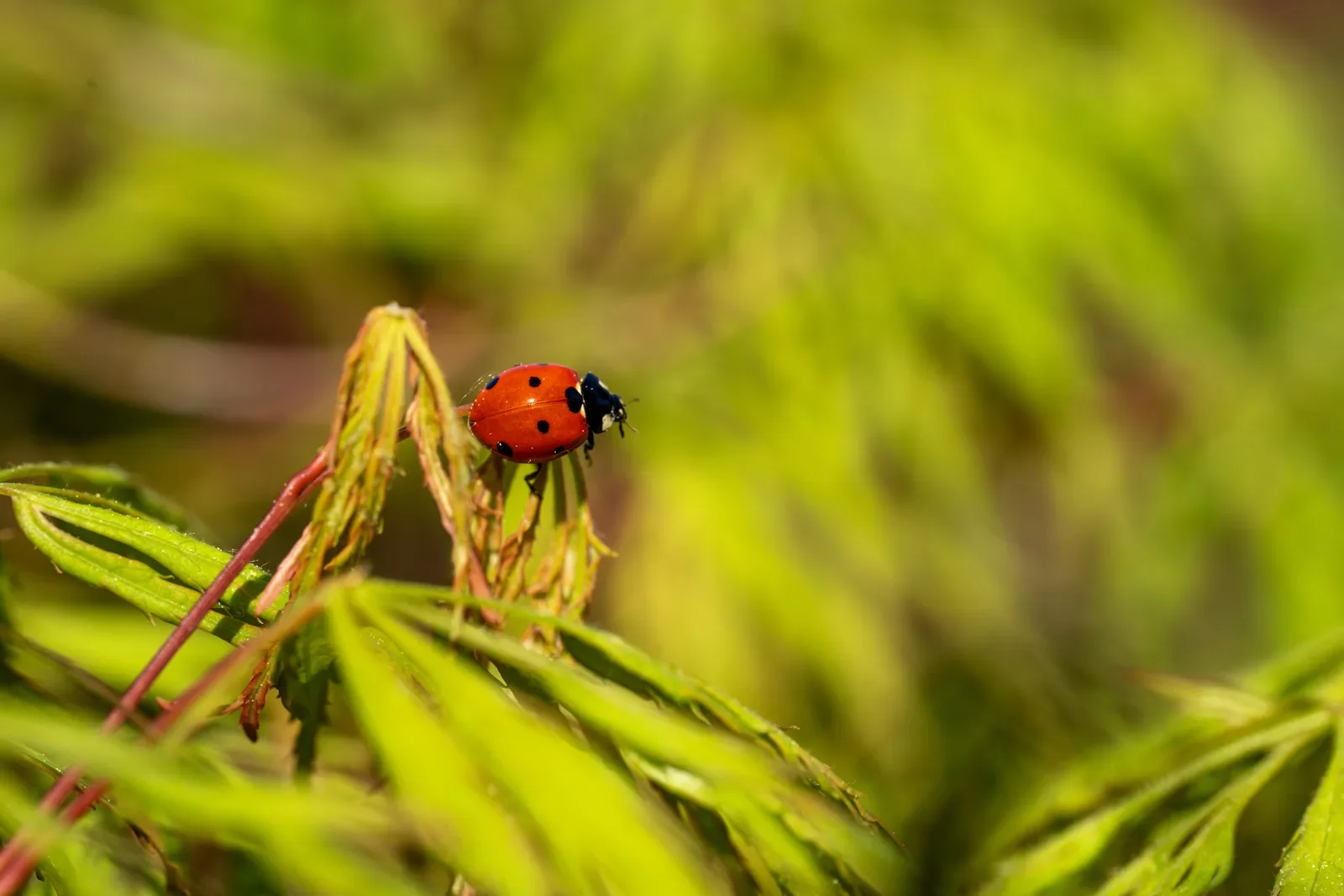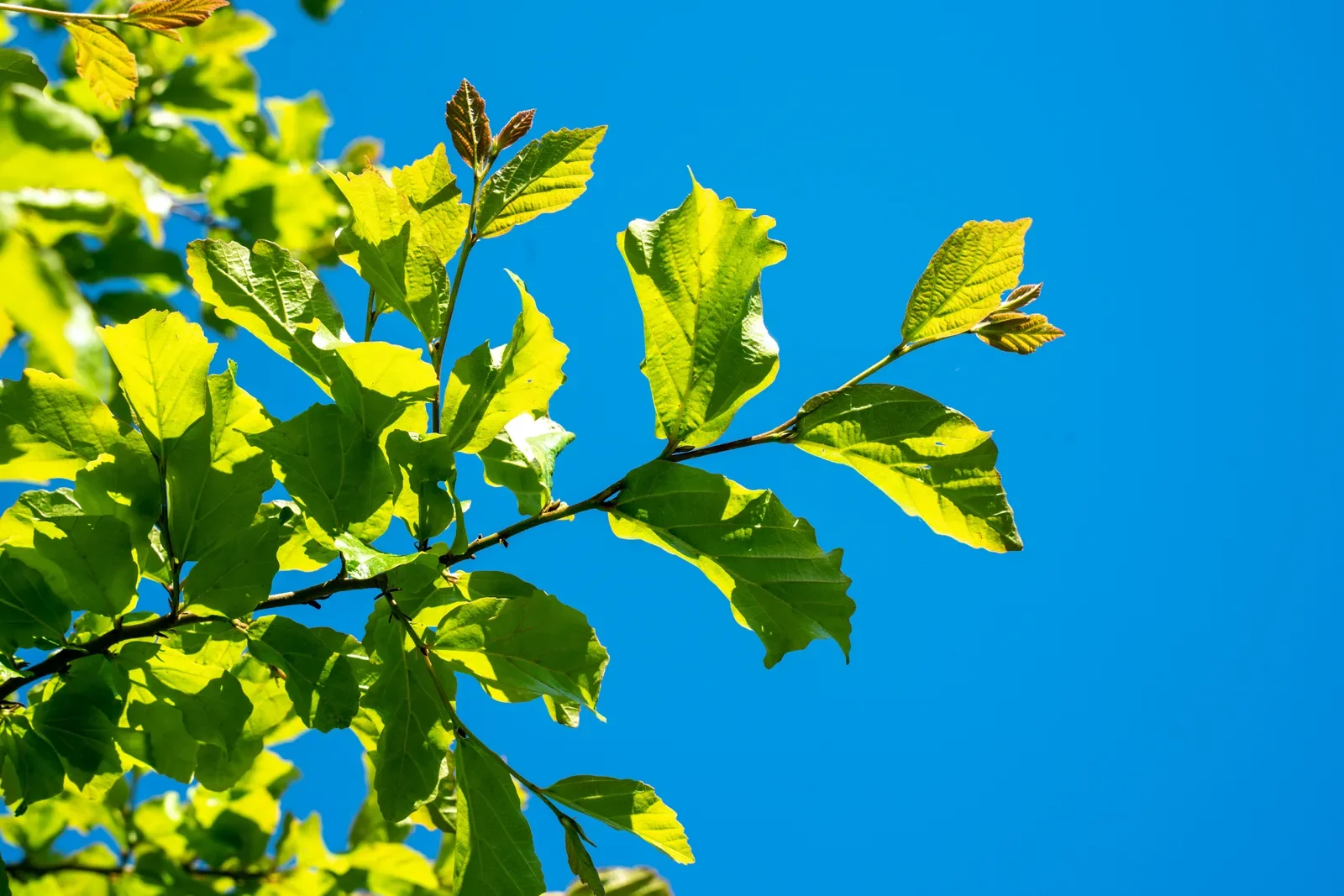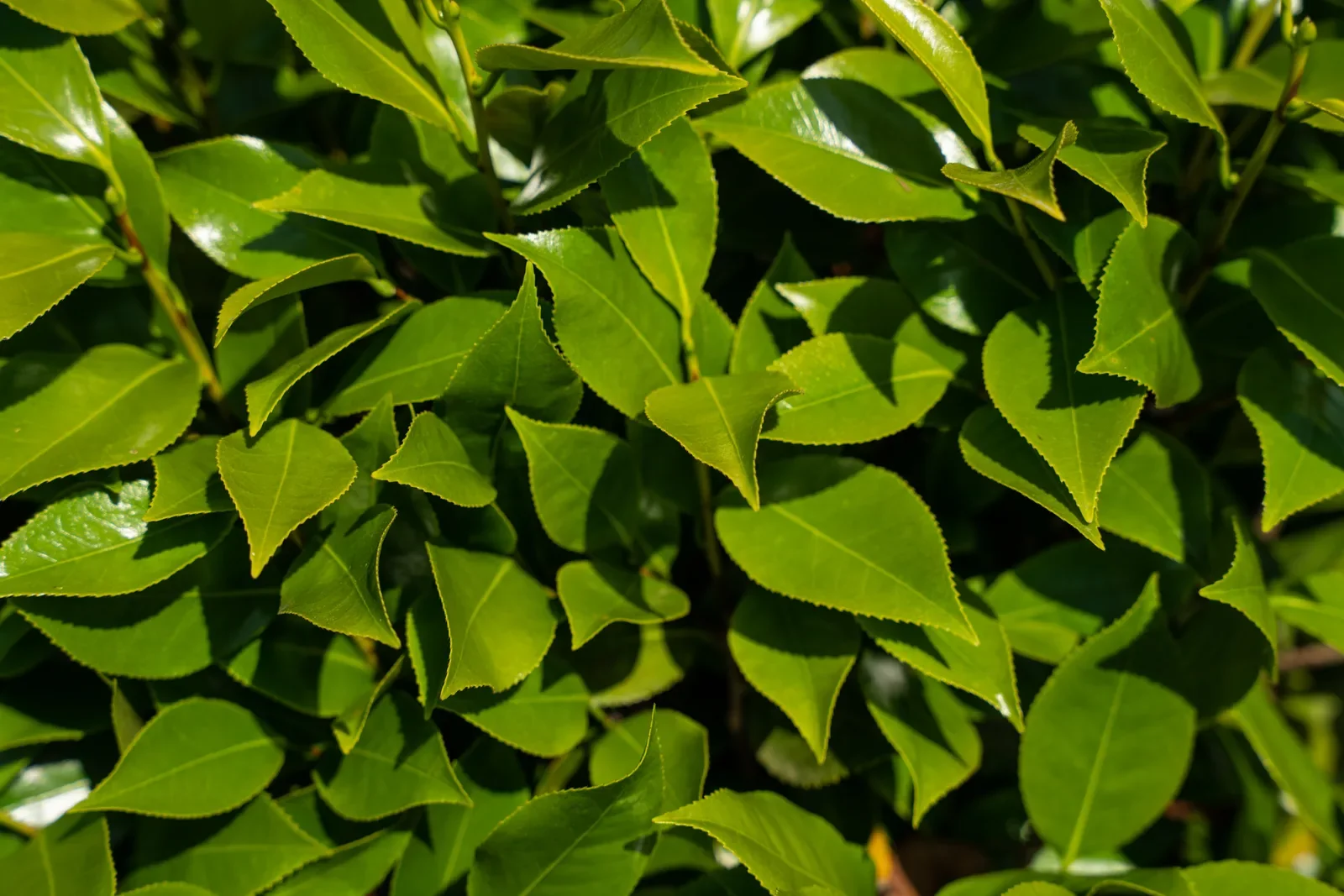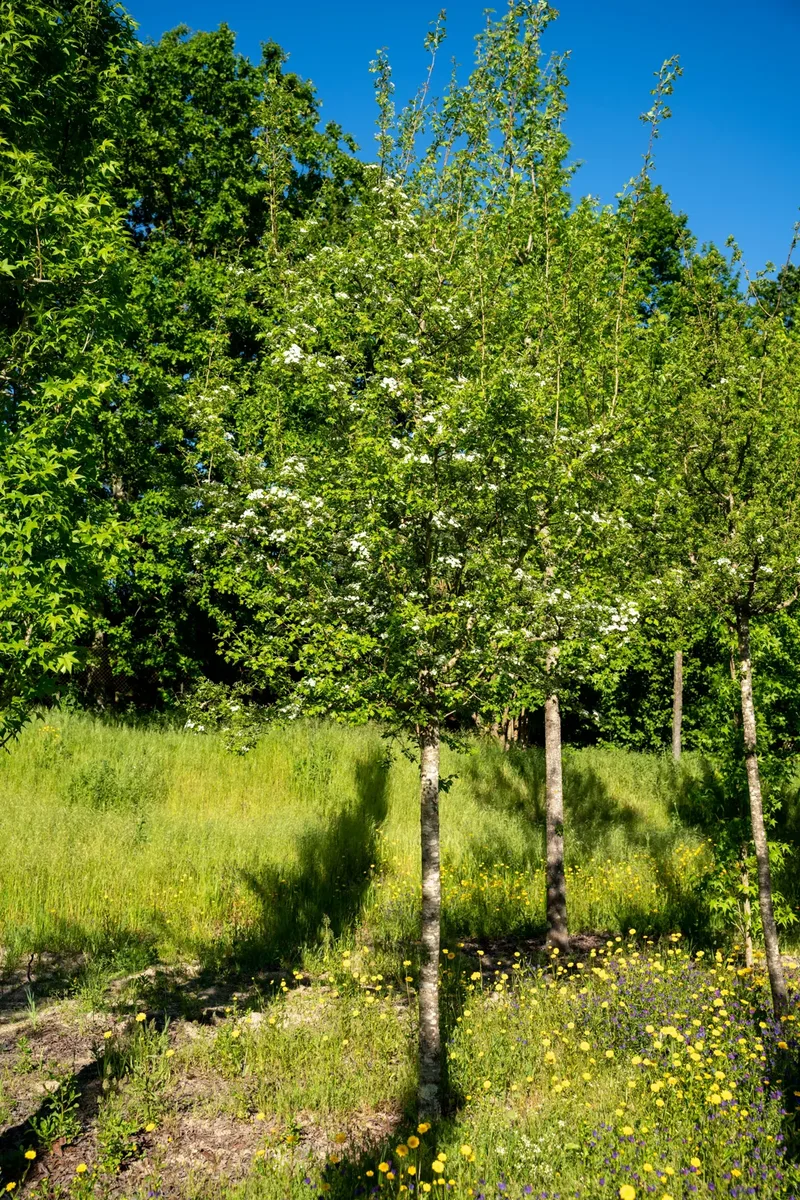
Crataegus monogyna — one of the species in the hedge module.
A biodiverse hedge can give protection from views and wind while offering flower, fruit and shelter. To work, it needs compatible modules, width and pruning.
A biodiverse hedge can give protection from views and wind while offering flower, fruit and shelter. To work, it needs compatible modules, width and pruning. The mix should not be random, nor bring together species that grow at rates impossible to maintain.
The species below should be read as design alternatives. Soil, climate, space and availability determine the final decision.
The species in the collection
| Species or cultivar | Role in the composition | Reference conditions | Main limitation |
|---|---|---|---|
| Crataegus monogyna | small native tree with flower, fruit and shelter | sun, varied, well-drained soils | thorns, fruit drop and plant health should be considered |
| Arbutus unedo | Mediterranean evergreen with flower and fruit late in the year | sun to partial shade, well-drained soil | avoid waterlogging and confirm there is room for the crown |
| Myrtus communis | Mediterranean evergreen shrub with flower and fruit | sun to partial shade, well-drained soil | grows larger than many garden descriptions suggest |
| Laurus nobilis | Mediterranean evergreen for structure and informal hedging | sun to partial shade, well-drained soil | can become large and dense; fruiting depends on the sex of the plant |
| Cornus alba ‘Sibirica’ | deciduous shrub with red stems in winter | sun to partial shade, moist soil | colour depends on the renewal of stems; can spread |
| Mahonia × media ‘Charity’ | evergreen shrub with winter flowering | partial shade or gentle sun, moist soil | spiny leaves and size mean it should be kept away from paths |
| Elaeagnus × ebbingei | vigorous evergreen shrub for screening and wind | sun to partial shade, well-drained soils | growth and width call for maintenance; its ecological value should be assessed in context |
| Escallonia spp. | evergreen shrubs with long flowering, used for hedging | sun, moderate climate and well-drained soil | there are significant differences between species and cultivars; confirm tolerance of cold and salinity |
How to combine them in the project
Crataegus, Arbutus, Myrtus and Laurus form a base of structure and resources. Cornus brings winter stems; Mahonia early flowering; Elaeagnus and Escallonia can add protection in appropriate contexts.
A module can repeat one dominant species and alternate two or three complementary ones. In wide hedges, using two staggered rows increases depth; in narrow spaces, reduce the variety and choose compatible sizes.
Conditions of use
Separate the native module from the complementary one, and confirm invasiveness, mature spread, thorns, sexes and the pruning calendar.
Selection at Diaplant
At Diaplant, the hedge is composed in modules that reconcile protection, the width available and the pruning calendar. Species are included only when they add a clear function.
Related reading
- [122 — Biodiversity hedges: why a mix can be worth more than a single-species barrier](../03_Biodiversidade_Aplicada/122_sebes-de-biodiversidade-porque-uma-mistura-pode-valer-mais-do-que-uma-barreira-monoespecifica.md)
Sources
- Indigenous plants promote insect biodiversity in urban greenspaces. (2021).
- Trillo, A. et al. Year-round pollinator visitation of ornamental plants in Mediterranean urban parks. (2026).
- Flora-On — Flora de Portugal interativa. Sociedade Portuguesa de Botânica. (2025).
- Decreto-Lei n.º 92/2019, de 10 de julho. (2019).
Tags