Wet soils, drainage areas and riverbanks do not correspond to the same regime.
Wet soils, drainage areas and riverbanks do not correspond to the same regime. This pack compares species for moist soil, periodic saturation and wetter conditions, making it clear that a compacted planting hole with no outlet is not a riverside habitat.
The species below should be read as design alternatives. Soil, climate, space and availability determine the final decision.
The species in the collection
| Species or cultivar | Role in the composition | Reference conditions | Main limitation |
|---|---|---|---|
| Alnus glutinosa | native tree of wet soils and riverbanks | moist to periodically saturated soil | do not confuse tolerance of wet with a planting hole that has no drainage; assess health |
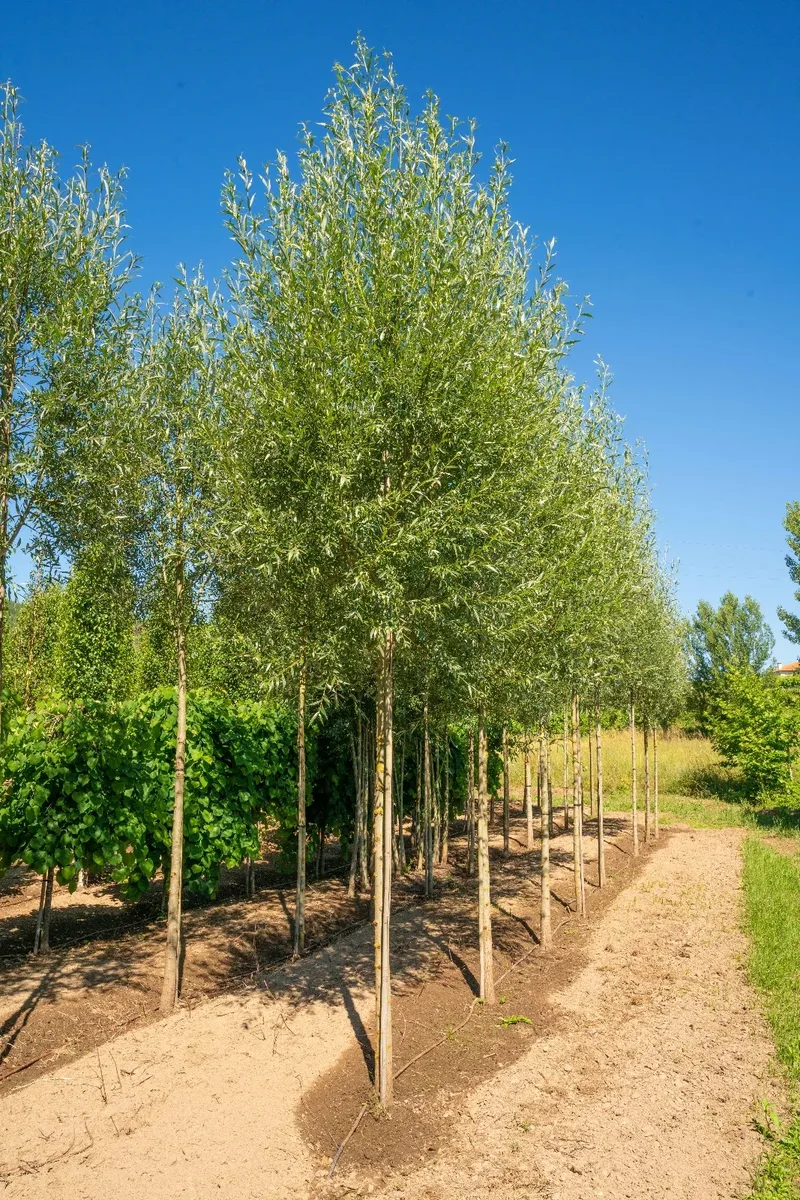
| Salix alba | fast-growing tree of riverbanks and wet soils | sun, available water and plenty of space | roots, wood and large size keep it away from infrastructure |
| Salix × fragilis | fast-growing willow for wet environments | sun and wet soils | the stability of the branches and the accepted name should be confirmed |
| Fraxinus angustifolia | native tree associated with moist soils and riverbanks | sun, moist soil and space | assess current health and climatic suitability |
| Betula pendula | tree with a light crown and pale bark | sun, moist soil and rooting space | can suffer from heat, drought and compaction; assess health |
| Taxodium distichum | deciduous conifer able to tolerate very wet soils | sun, moist to flood-prone soils and space | large size and specialised roots; do not use in small depressions |
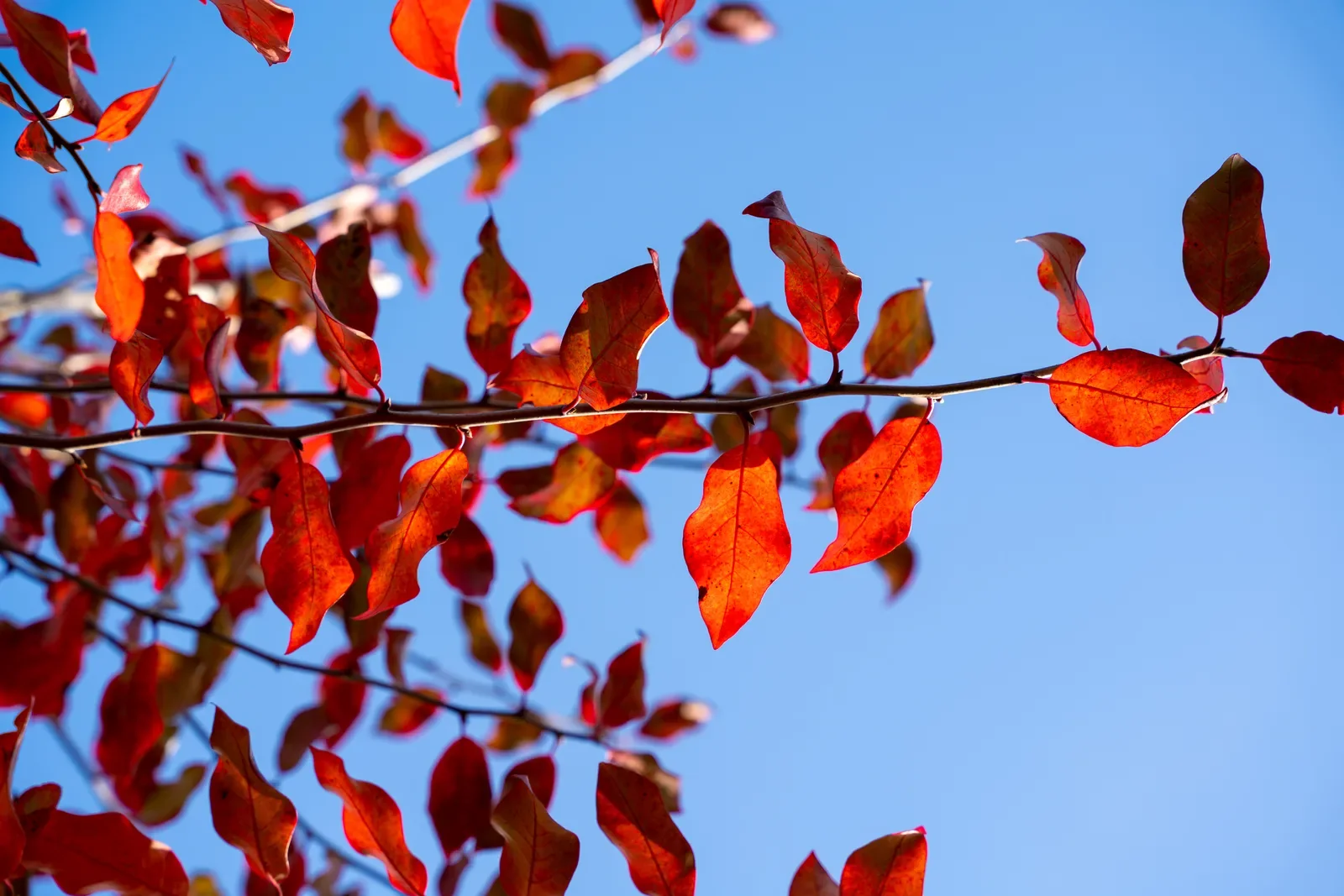
| Nyssa sylvatica | tree with intense autumn colour for moist soils | sun, acid to neutral soil that is moist and deep | not an answer to constant waterlogging or severe drought |
How to combine them in the project
Alnus and Salix suit riverbanks and wet levels, with plenty of space. Fraxinus and Betula occupy moist conditions, but call for a climatic and health assessment. Taxodium tolerates more persistent water; Nyssa prefers moist, deep soil, not continuous flooding.
Distribute them by level and by how long the water stays. In drainage systems, the planting should follow a hydraulic design with an overflow.
Conditions of use
The final choice should confirm the water regime, the water table, rooting space and stability. Taxodium and Nyssa are non-invasive exotics to be assessed in context.
Selection at Diaplant
At Diaplant, the species for wet soils are organised by water regime. Moist soil, periodic saturation and prolonged waterlogging are not treated as the same condition.
Sources
Tags