4 min
Planting mature trees: from rootball to adaptation
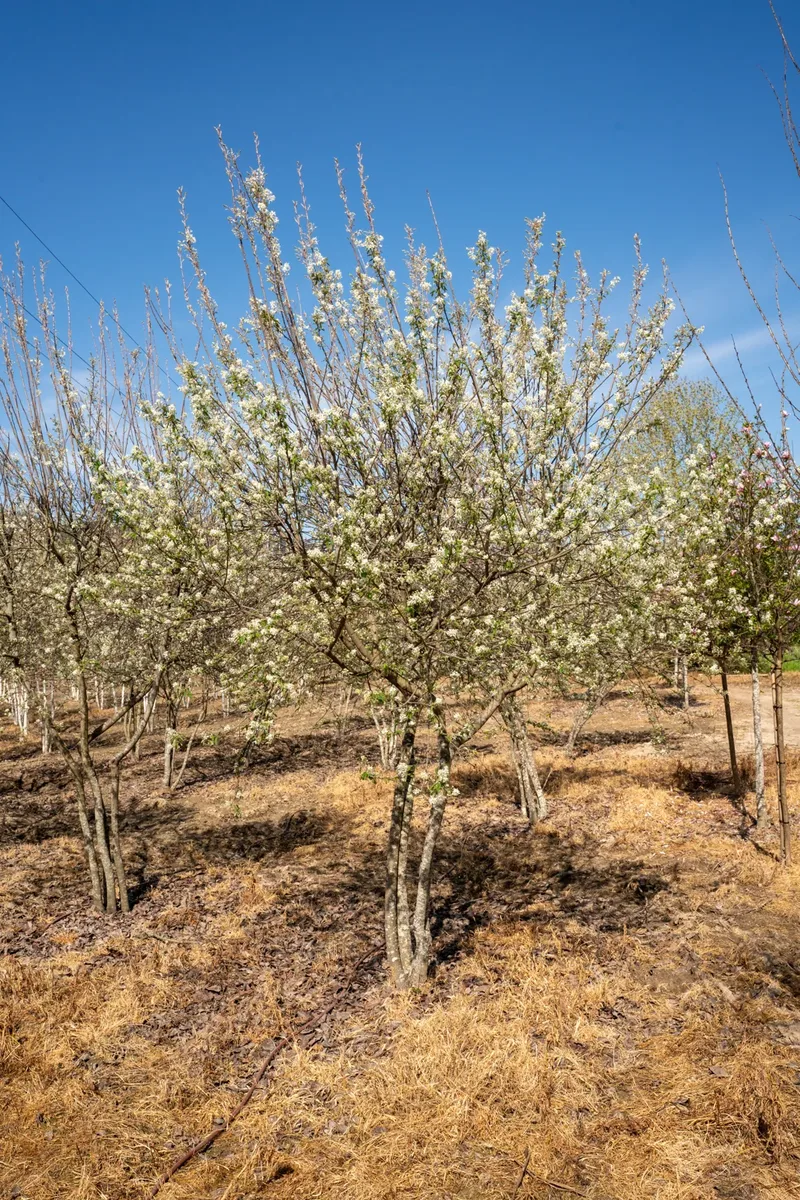
Planting a mature tree is an operation that begins before the lorry arrives. The specimen, the rootball, the access, the lifting equipment and the ground all…
Read
Diaplant · Blog · Page 5 of 7
159 articles written by the people who grow, plant and maintain mature trees — from choosing the species to the works and maintenance. Filter by topic or by type of content.
97–120 of 159 articles · page 5 of 7
Showing articles 97 to 120 of 159. Page 5 of 7.
Planting a mature tree is an operation that begins before the lorry arrives. The specimen, the rootball, the access, the lifting equipment and the ground all…
ReadContemporary urban environments present a series of challenges that constrain the introduction of nature into these places and its ability to thrive.
ReadAfter planting, the tree may slow its growth or lose leaves. Learn to tell adaptation from lack of water, waterlogging or damage.
ReadThe production of mature trees alternates growth, transplanting, recovery and formation. Find out the technical logic behind these cycles in the nursery.
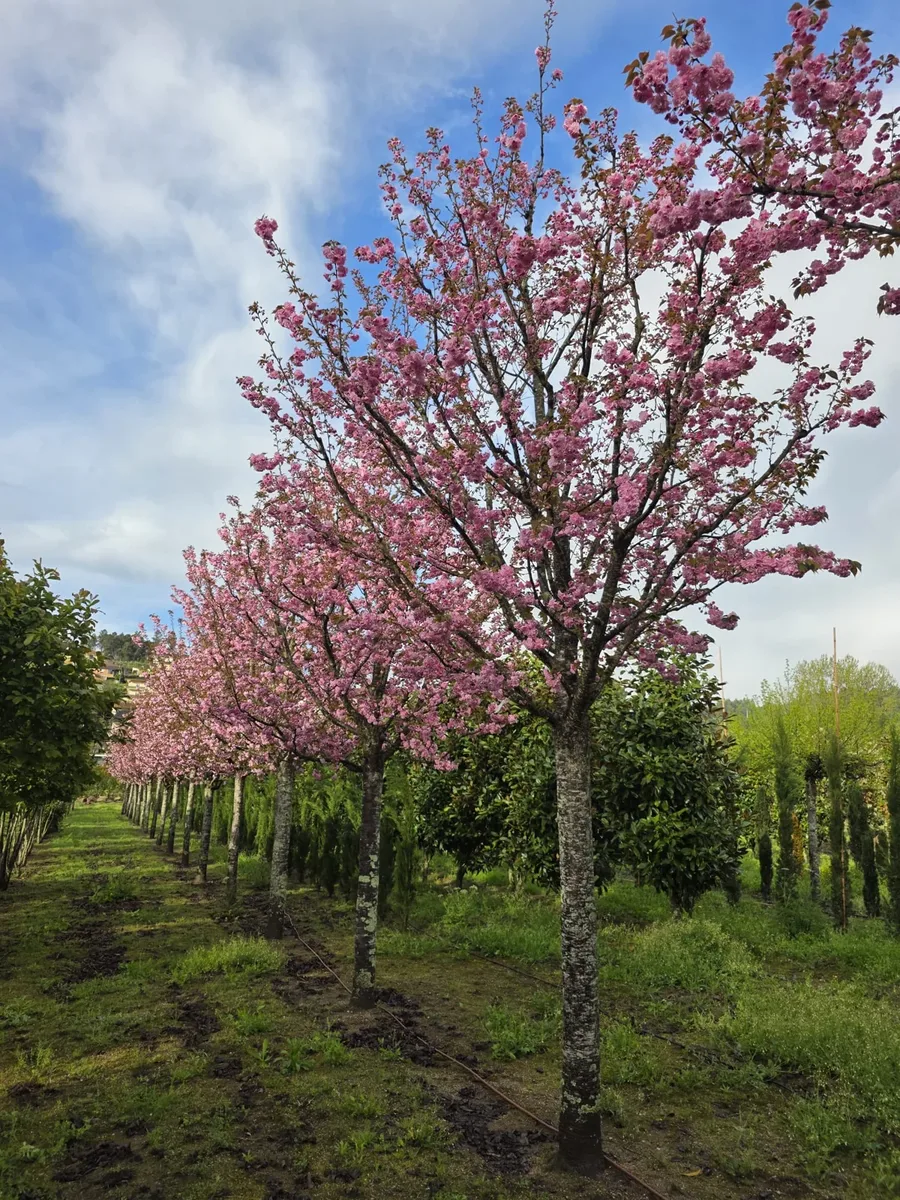
ReadPrunus ‘Kanzan’ offers intense pink blossom and a crown that opens with age. Find out what space, soil and maintenance it needs.
ReadPyrus calleryana ‘Chanticleer’ has an initially narrow crown, white blossom and autumn colour. Find out about its size and care.
ReadA rain garden is a planted depression that receives run-off, holds water temporarily and encourages infiltration or controlled release.
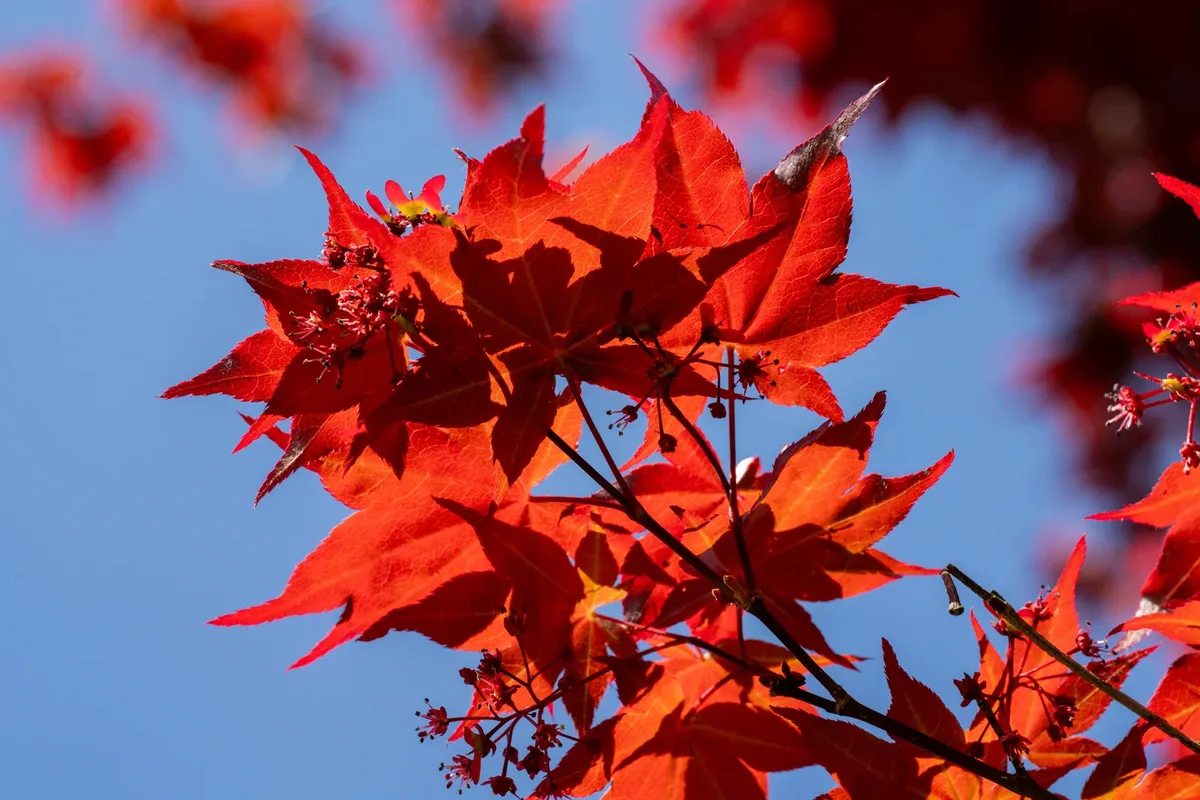
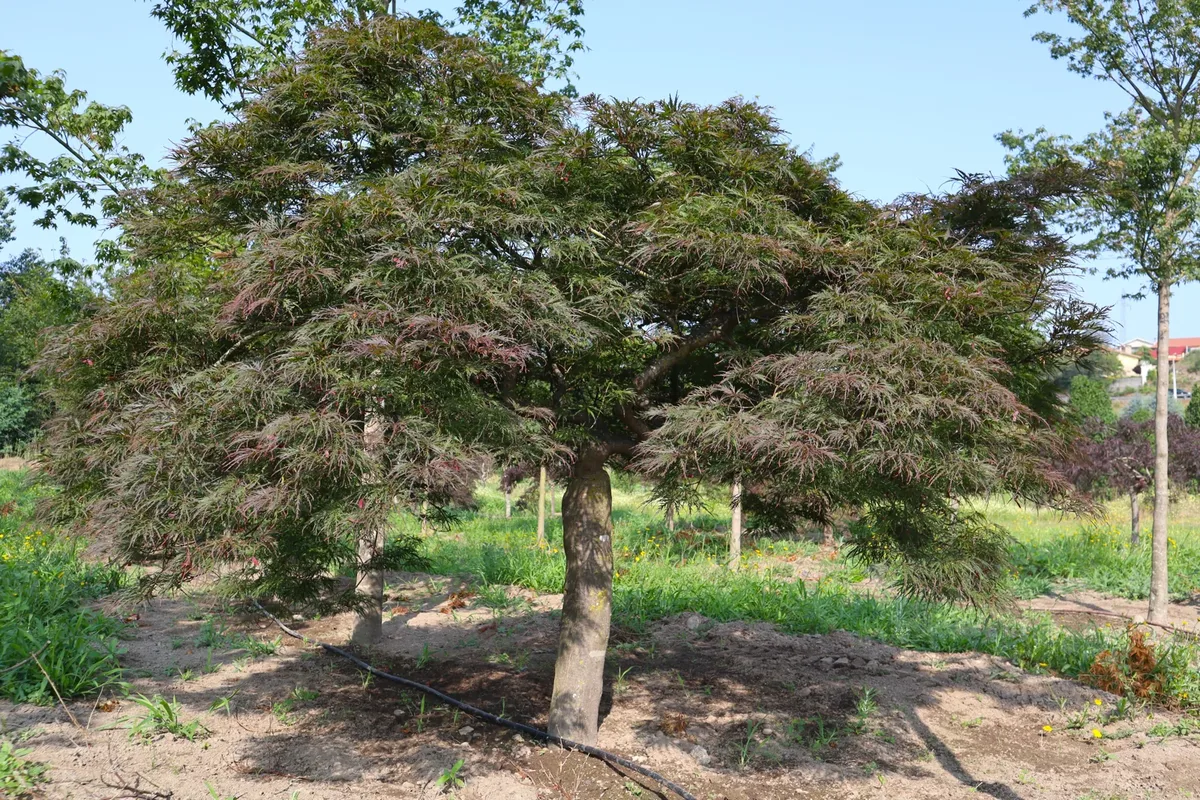
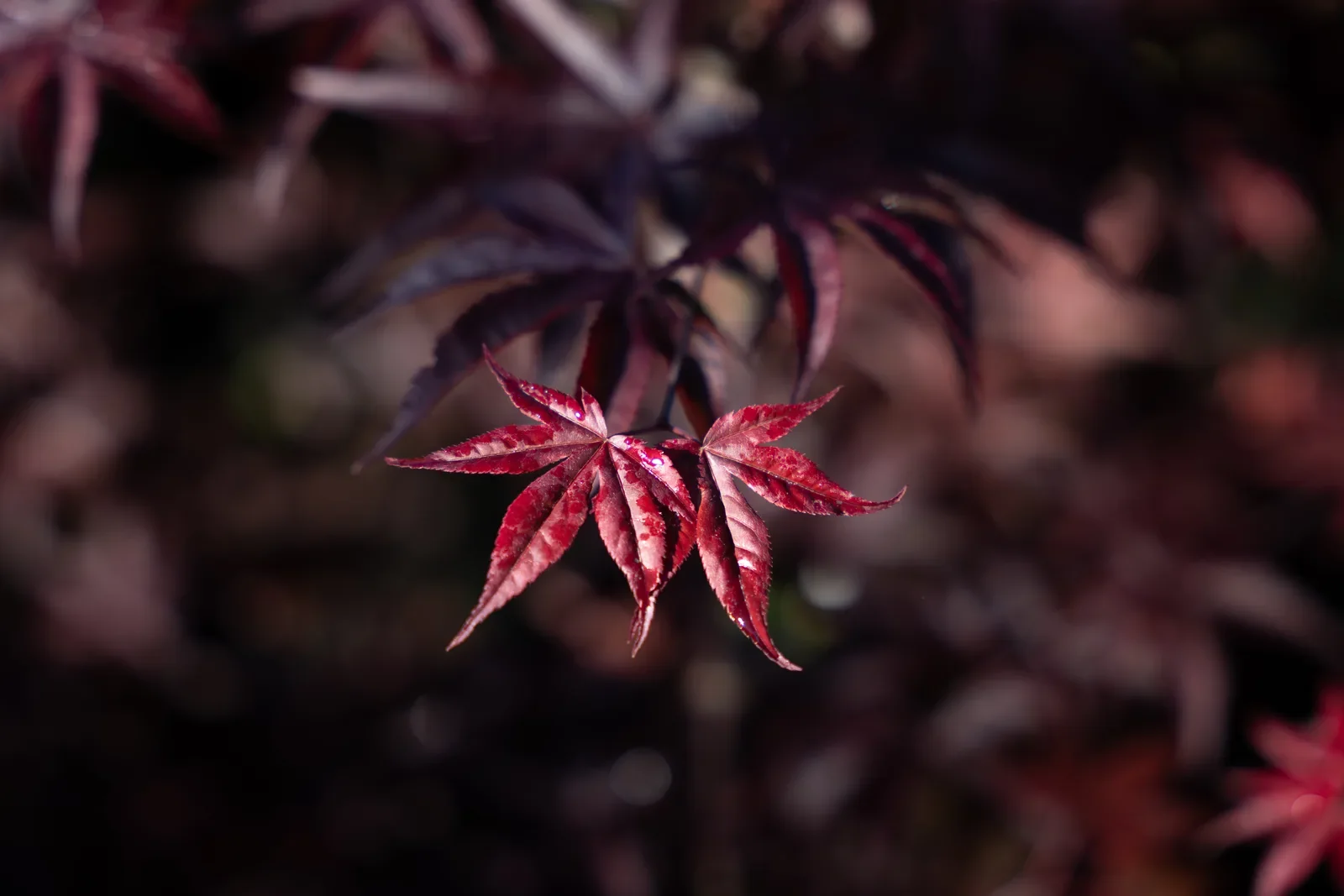
ReadRed Acer palmatum vary in habit, leaf and colour. Compare upright and dissectum cultivars and find out where to plant them.
ReadMoist soils, periodic saturation, riverbanks and prolonged waterlogging call for different responses.
ReadThe root collar should sit close to the surface. Learn how to find it on the rootball and avoid deep planting, settlement and problem roots.
ReadSandy soils lose water and nutrients quickly. Find out how to increase retention and organic matter without confining the roots.
ReadSelecting by functional attributes lets you compare plants beyond the species name.
ReadThe landscape we see today is the result of centuries of human intervention, intended to improve the human condition and human life.
ReadShade, privacy, structure and flowering call for different characteristics. See how to turn the function you want into selection criteria.
ReadThe plant should respond to the space, the aspect, the soil and the water available. Learn the criteria that should be checked before choosing.
ReadSingle, double and sterile flowers can have very different value for pollinators.
ReadTrees for small gardens should be assessed by width, height, root and relationship with buildings.
ReadPlant selection does not make up for compaction, insufficient watering or poor drainage. Understand how these three factors relate to one another.
ReadA tree planting scheme that depends on a single species is vulnerable to pests, diseases and weather events that affect every tree in much the same way.
ReadGenus, species, cultivar, hybrid and production form mean different things. Learn to read a plant’s name correctly.
ReadStaking stabilises the rootball while the roots establish. Get to know double and triple systems, cables and underground anchoring.
ReadExtending the flowering season calls for a succession, not seven species in flower at the same time.
ReadSubshrubs work better than a lawn when the surface does not need to be walked on and the aim is to create a mass of planting and protect the soil.
ReadA change of orientation, reflected heat and loss of shade can damage the bark. Learn to recognise sunscald and protect the trunk.
Read100 frequently asked questions on selection, planting, transport, soil and maintenance, answered in a few lines.