Diaplant
Contemporary urban environments present a series of challenges that constrain the introduction of nature into these places and its ability to thrive.
With a mission to create nature in urban environments, Diaplant focuses on offering highly resilient solutions, so that nature not only thrives in the urban environment but also helps to minimise the negative impact of urbanisation on ecosystems. To that end, our production includes a wide range of native species and varieties improved to thrive in today’s challenging urban environment and to be resilient to the stress factors that come with climate change – the Plants of the Future. Our selection of Plants of the Future is based on criteria defined by Diaplant, which are set out in this article:
1. ADAPTABILITY TO URBAN CONDITIONS – The main criterion in our selection of Plants of the Future is adaptation to the local climate conditions, soil types and water availability. Soil compaction, the result of paving and constant vehicle traffic, lowers the capacity to retain water and nutrients, restricts the development of the root system and reduces the porosity of the soil, which makes it harder for the roots to breathe. For this reason, tolerance of paving and compacted soils is a factor we take into account in our selection of Plants of the Future. Pollution of soil, air and water, which comes with human activity, is toxic to plants and can compromise their health and longevity in the urban environment. Our Plants of the Future were selected for their tolerance of the toxicity caused by pollution. What is more, these species play a significant role in mitigating the effects of pollution in urban environments. As well as retaining carbon dioxide and releasing oxygen through photosynthesis, these species are able to absorb airborne pollutants. For example, species of the genera Quercus and Pinus absorb sulphur dioxide, and species of the genera Acer and Salix are able to absorb nitrogen oxides.
2. LOW WATER CONSUMPTION – In the urban environment, where water is a precious and often scarce resource, priority should be given to species with a lower water requirement. Choosing Plants of the Future therefore means a significant reduction in water consumption in gardens and green spaces. As these species are highly adapted to local conditions, their ability to take up the water available locally and sustain themselves is far greater than that of exotic species. Opting for Plants of the Future not only saves water resources but also reduces the costs associated with irrigation.
3. LOW MAINTENANCE – Planting species that are highly adapted to the local environment means less need for maintenance. Because they are naturally acclimatised to our ecosystems, Plants of the Future require less maintenance than exotic species. Having co-evolved with local pests and pathogens, these species have developed greater natural resistance to them, so they have a reduced need for chemical treatments and other methods of controlling plant diseases.
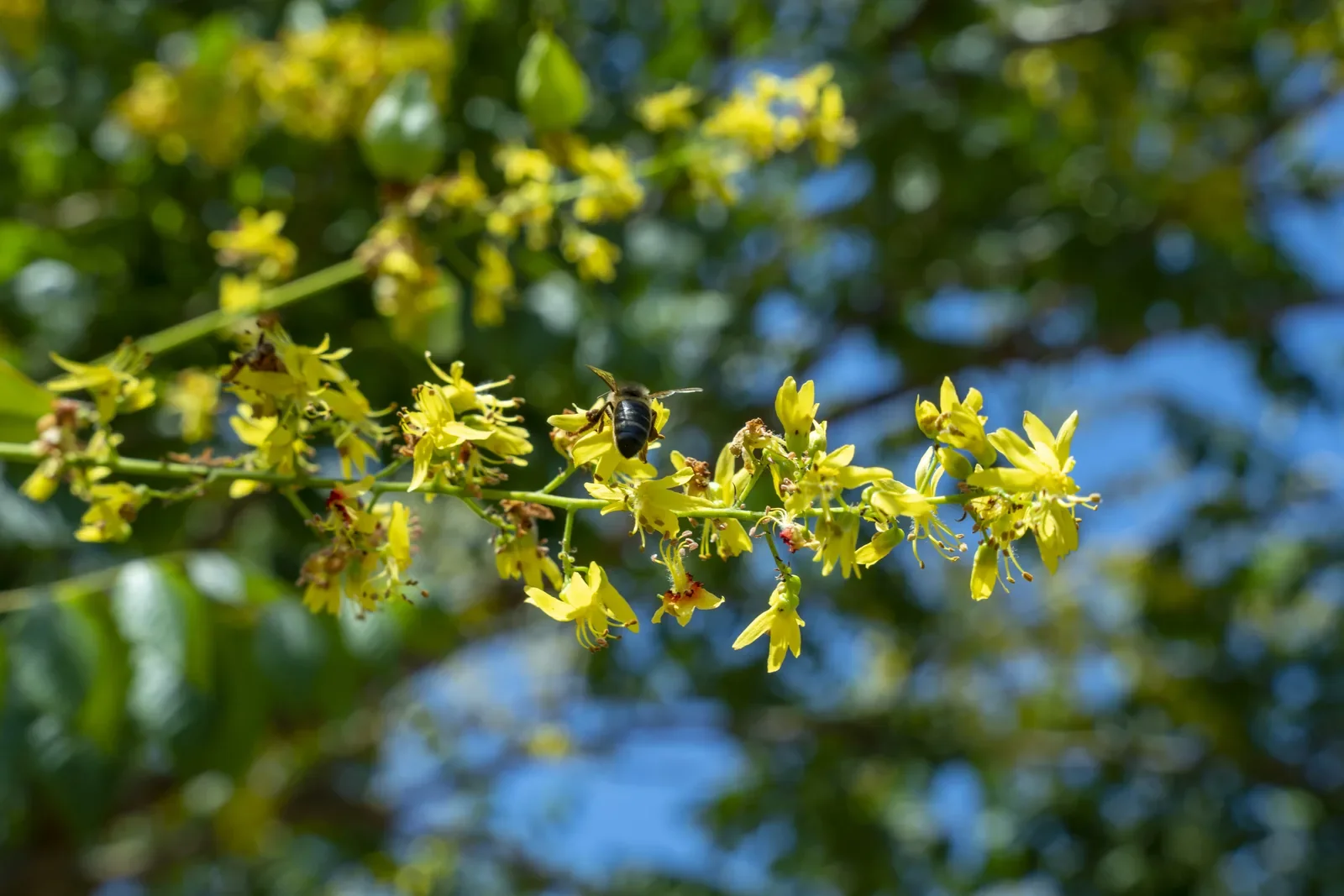
4. PROMOTING LOCAL BIODIVERSITY – Most of the species selected by Diaplant as Plants of the Future are native species, chosen for their high resilience and ability to thrive in their native environment. Because they are a natural part of our ecosystems, Plants of the Future attract pollinating insects, birds and other native animals, helping to restore ecosystems in the urban environment and to conserve local fauna and flora.
Original article
This article was first published on the diaplant.pt blog.