Diaplant
Cultivars of the same species can differ in flower form, fertility, fruit and value to pollinators. The species name is not enough to compare them.
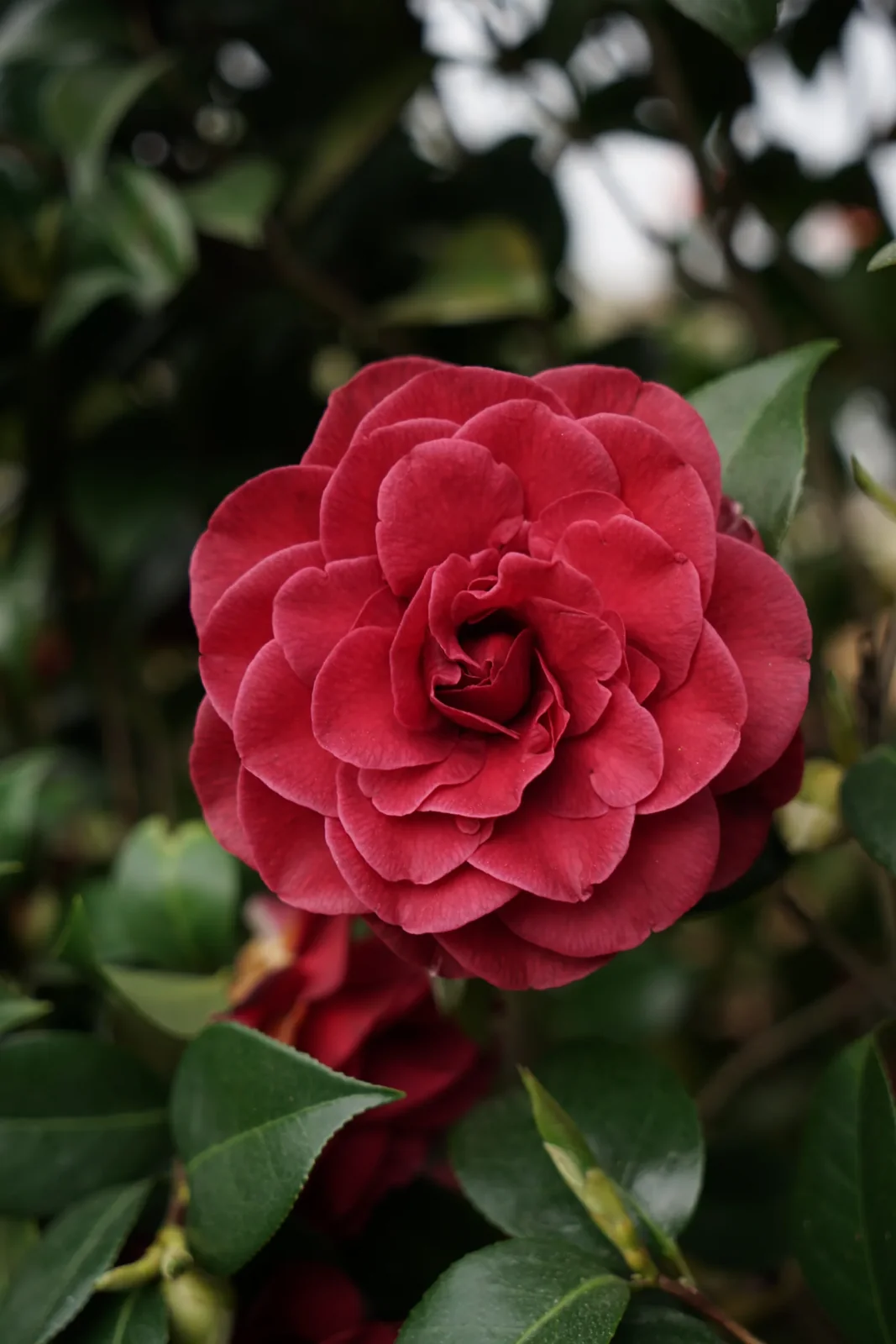
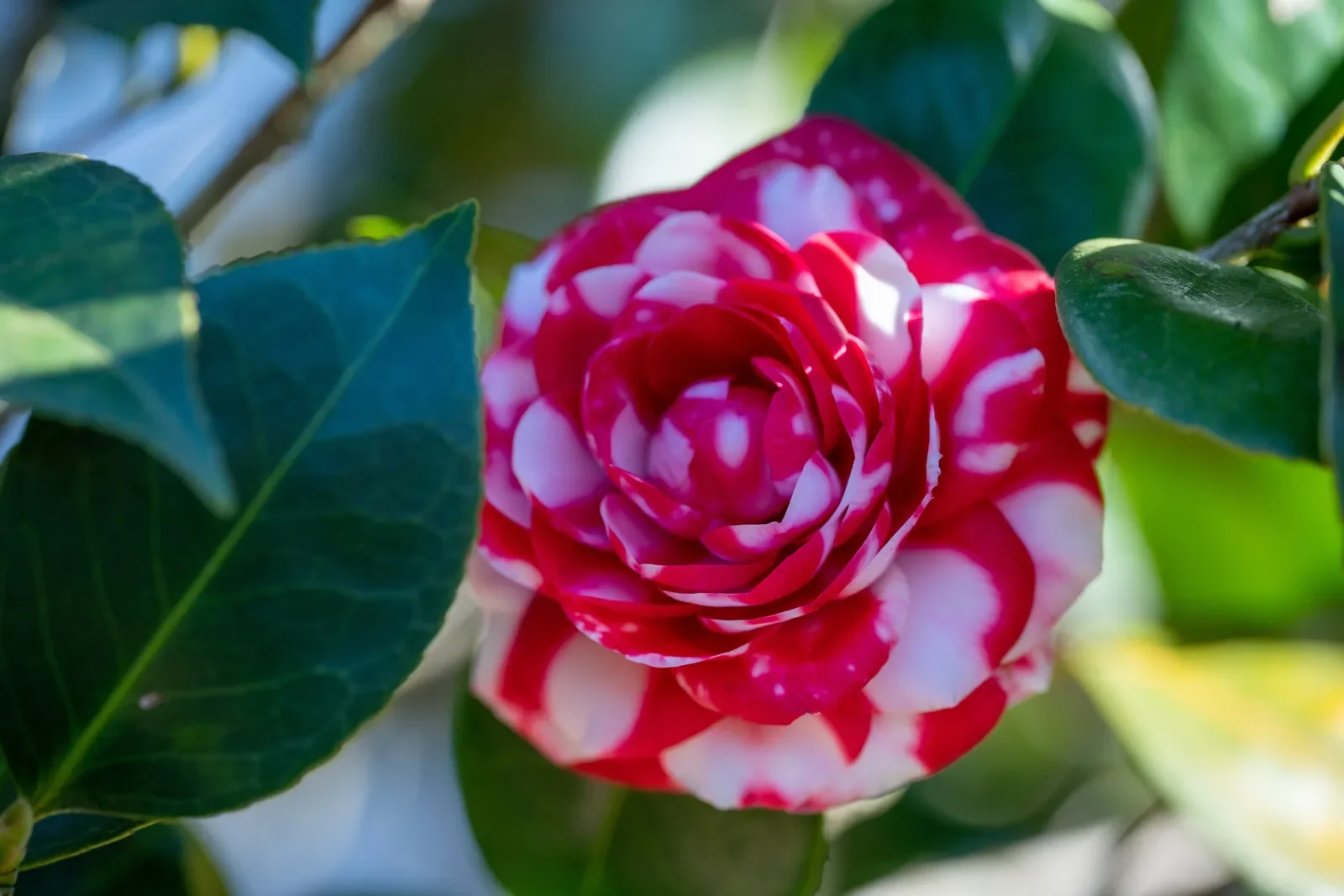
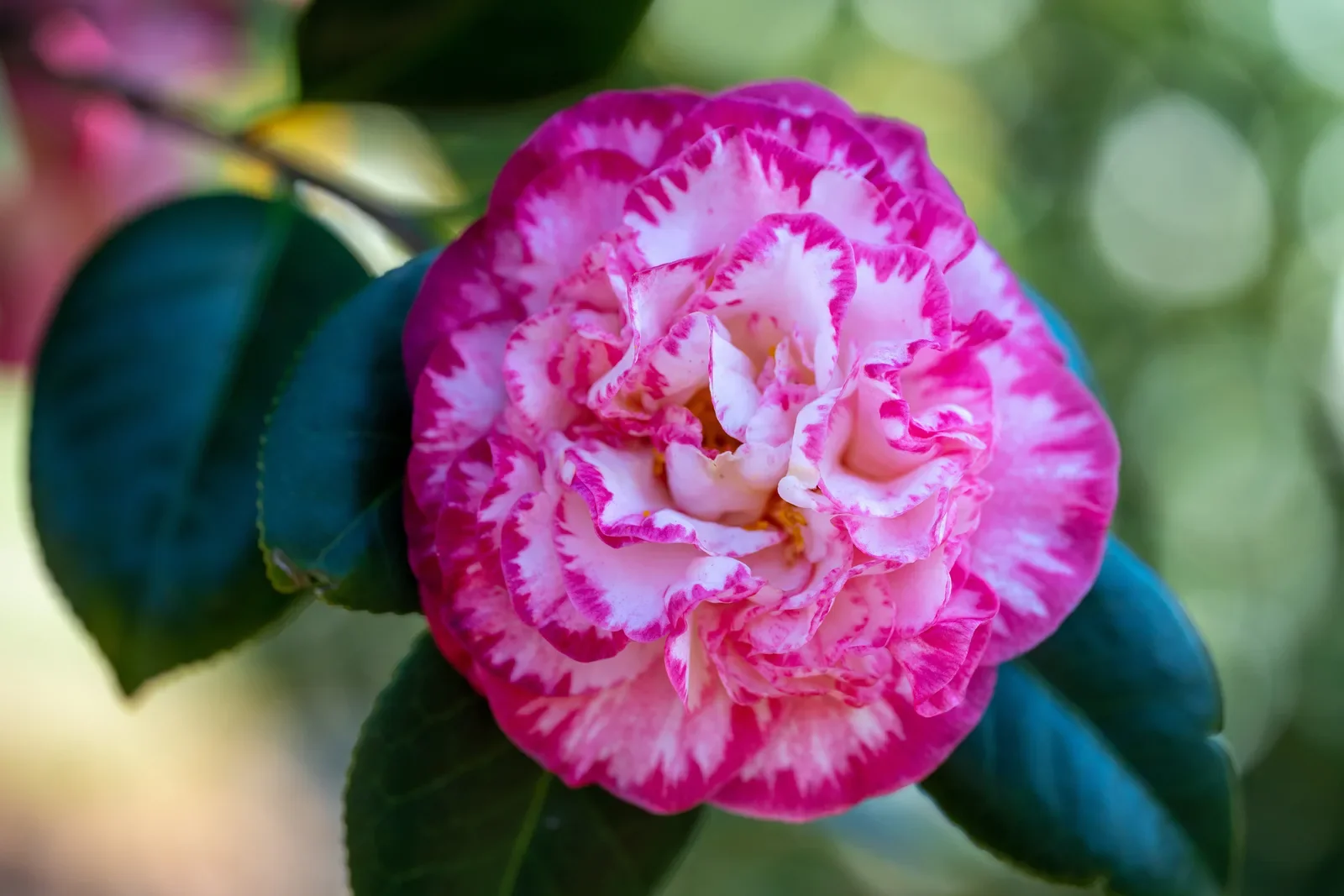
Cultivars of the same species can offer very different resources. Changes in flower form, number of petals, colour, scent, fertility, or the production of nectar, pollen or fruit alter the relationship with pollinators and other animals. The ecological value of the species should not be transferred automatically to all its cultivars.
The species name does not tell the whole story
A cultivar may have been selected for double flowers, a compact habit, the absence of fruit or distinctive foliage. Those traits can be excellent for an ornamental purpose and, at the same time, reduce an ecological function.
There are also cultivars that maintain or even improve some resources. The answer is not to ban cultivars, but to assess them.
Which attributes to check
The plant sheet should record floral morphology, accessibility, fertility, fruit production, length of flowering, visits observed and water requirement. Comparative studies have found wide variation in visitation between cultivars of the same group.
Close-up photographs and observation in the nursery can reveal differences that a trade description does not show.
Choosing according to function
In a small courtyard, a compact cultivar may be the only way to include a given species. In a project for pollinators, a single-flowered, fertile form may take priority. In street planting, the absence of fruit can reduce conflicts.
What matters is not to use the ecological argument for the species when a cultivar has been chosen for a trait that alters that very attribute.
Mistakes to avoid
The most common mistakes are labelling a whole genus as pollinator-friendly; ignoring sterility; assuming that a larger flower offers more resource; and not giving the full cultivar name.
Criteria for application
At Diaplant, cultivars are assessed on form, fertility, flower, fruit and observed behaviour. We do not automatically transfer to a cultivar every attribute known for the species.
Cultivars are design tools. They should be chosen for their real set of characteristics, not for the ecological prestige of the species name.
Sources
- Complex floral traits shape pollinator attraction to ornamental plants. (2022).
- Evaluation of the most popular annual flowers sold in the United States and Europe indicates low visitation rates by pollinators and large variation among cultivars. (2024).
- Pacific Northwest native plants and native cultivars, part II: plant and pollinator traits. (2025).
- Variation in pollinator visitation among garden cultivars of marigold, portulaca, and bidens. (2023).
Tags