Diaplant
Single, double and sterile flowers can have very different value for pollinators.
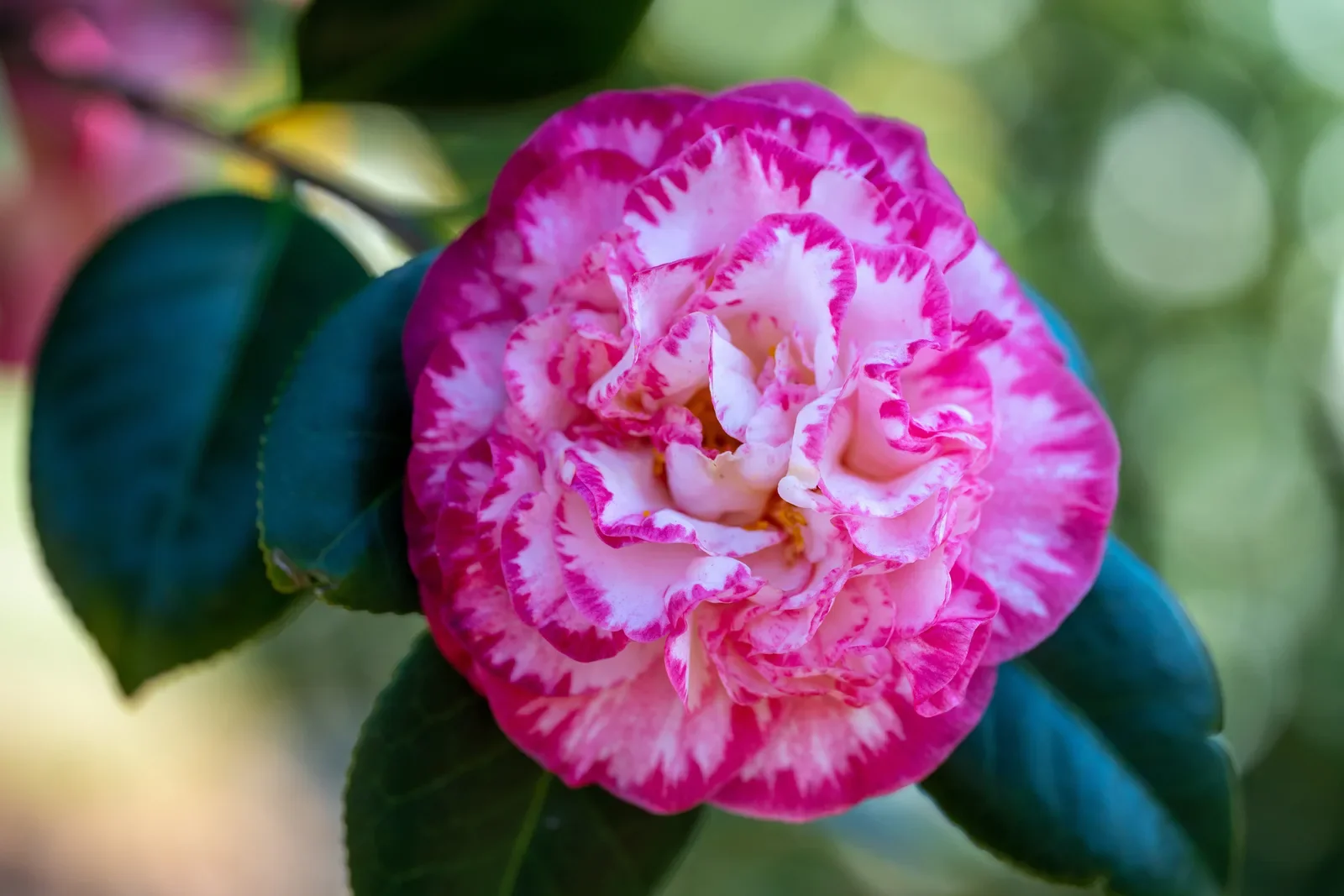
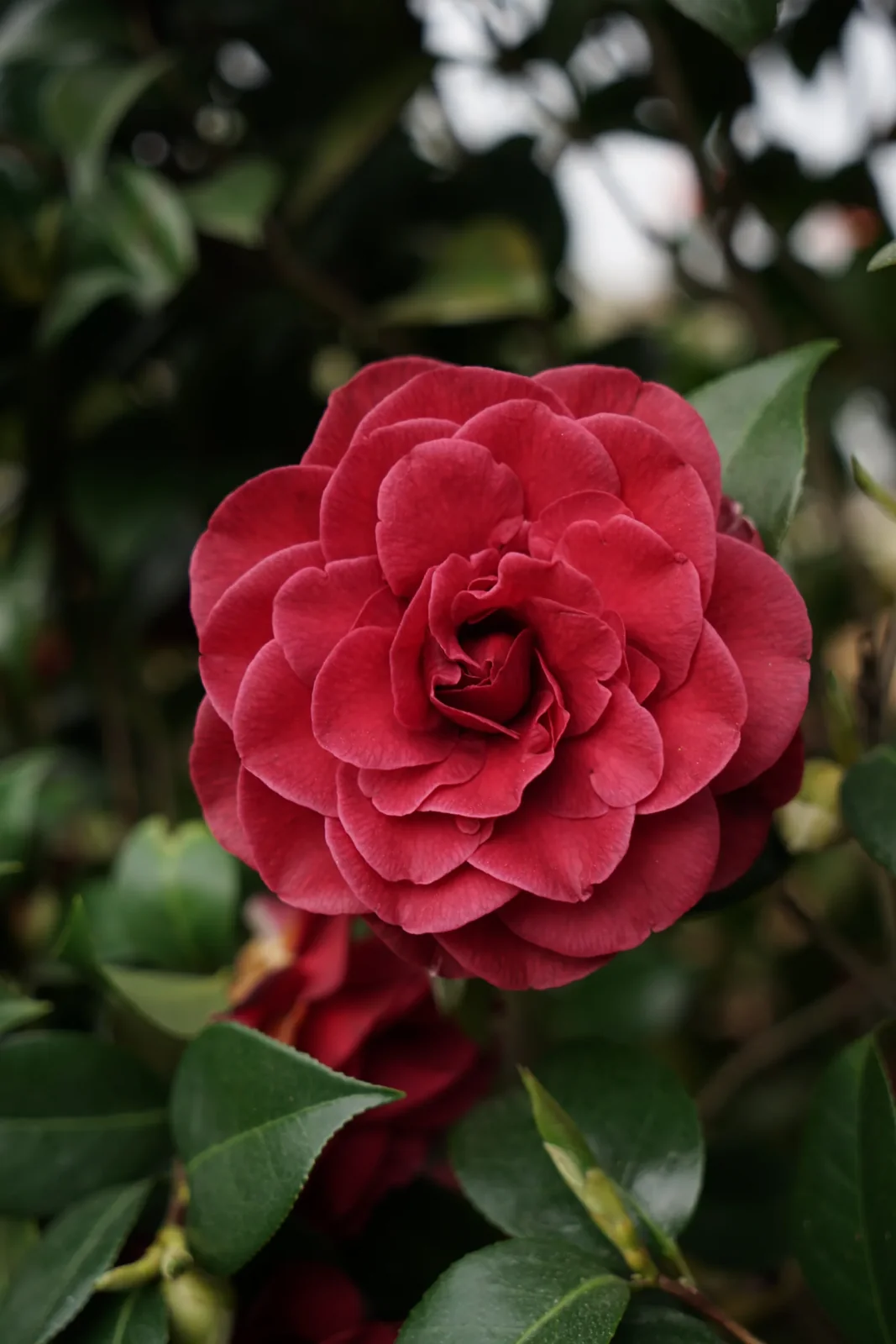
Single, double and sterile flowers can have very different value for pollinators. In many double flowers, fertile organs are turned into petals and access to nectar or pollen is reduced. But there is no absolute rule: the morphology and the resources of each cultivar have to be looked at.
What changes in a double flower
Ornamental selection can increase the number of petals and hide fertile structures. Small insects may still reach some resources, while others are shut out. A full appearance is no indication of the amount of food.
Photographs of the flower in section and observation of visits help to assess accessibility.
Sterility and fruit production
A sterile cultivar may keep its nectar or part of its pollen, or it may lose both. Sterility can be useful for avoiding fruit or spread, but it reduces functions linked to reproduction and to feeding wildlife.
It is important to distinguish a sterile flower from a plant unable to produce any resource.
How to use them in a project
Double forms can be used for visual impact at specific points, while single, fertile forms provide resources in other areas. The composition does not have to exclude an ornamental option, provided its function is not misrepresented.
The literature recommends avoiding simple generalisations and assessing floral traits together.
Photograph the mechanism, not just the flower
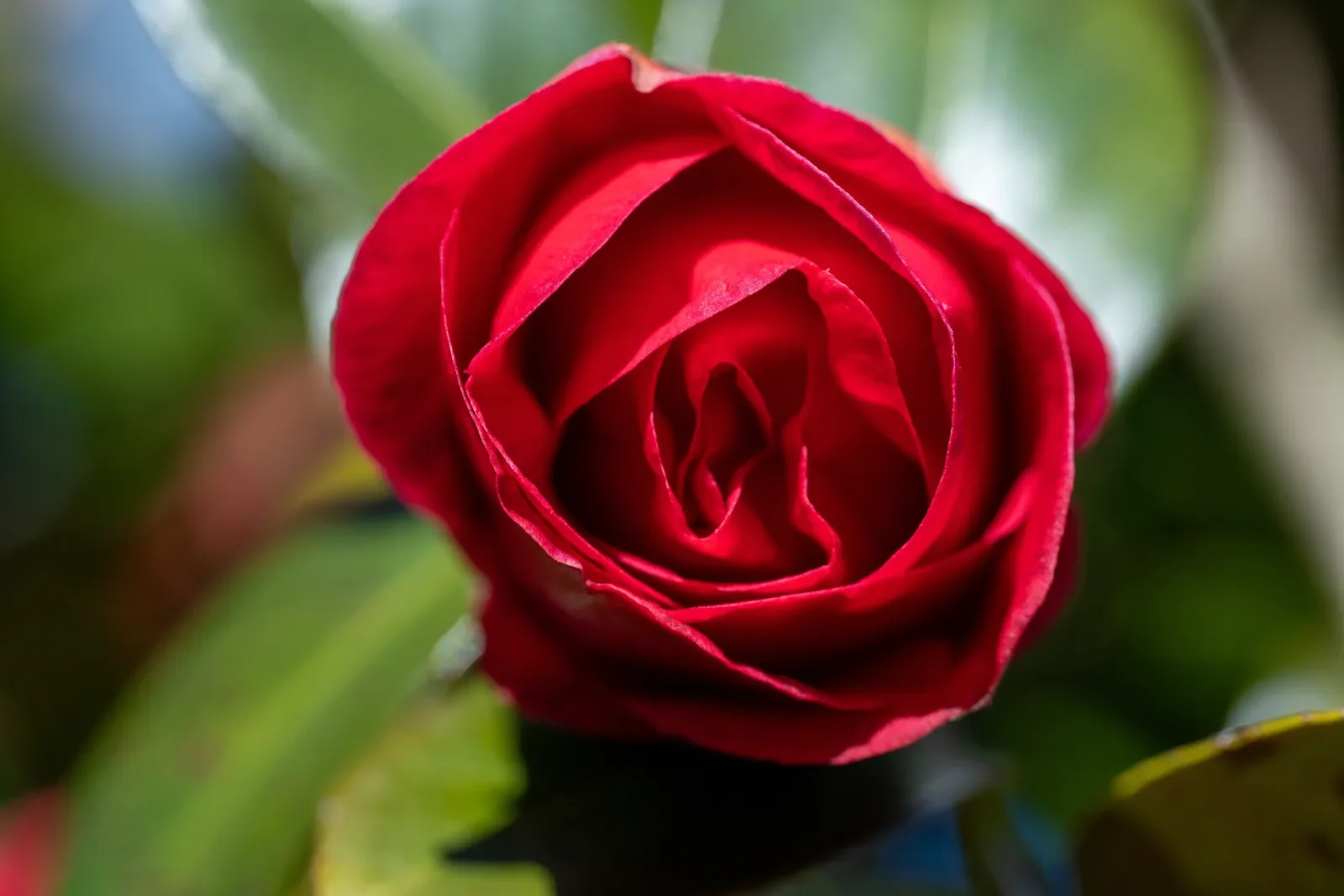
For the catalogue or an article, a front-on photograph should be accompanied by a detail of the centre of the flower. If possible, record visitors and note the time of day. This material makes it possible to compare single and double forms without relying on abstract descriptions.
The observation should be repeated on several plants. A flower with no visits on a cold morning does not prove the absence of a resource, just as a single visit does not prove high value.
Where the solution fails
The most common mistakes are assuming that all double flowers are useless; assuming that all single flowers are valuable; confusing sterility with low invasive risk without an assessment; and using images that do not show the centre of the flower.
Criteria for use
At Diaplant, floral morphology is observed directly. A flower that looks fuller may have fewer accessible resources, but the decision should be made case by case.
The form of the flower is functional data. When the aim includes pollinators, it should be examined with the same care as habit or colour.
Related reading
- [130 — Cultivars and biodiversity: the same species can offer very different resources](130_cultivares-e-biodiversidade-a-mesma-especie-pode-oferecer-recursos-muito-diferentes.md)
Sources
Tags