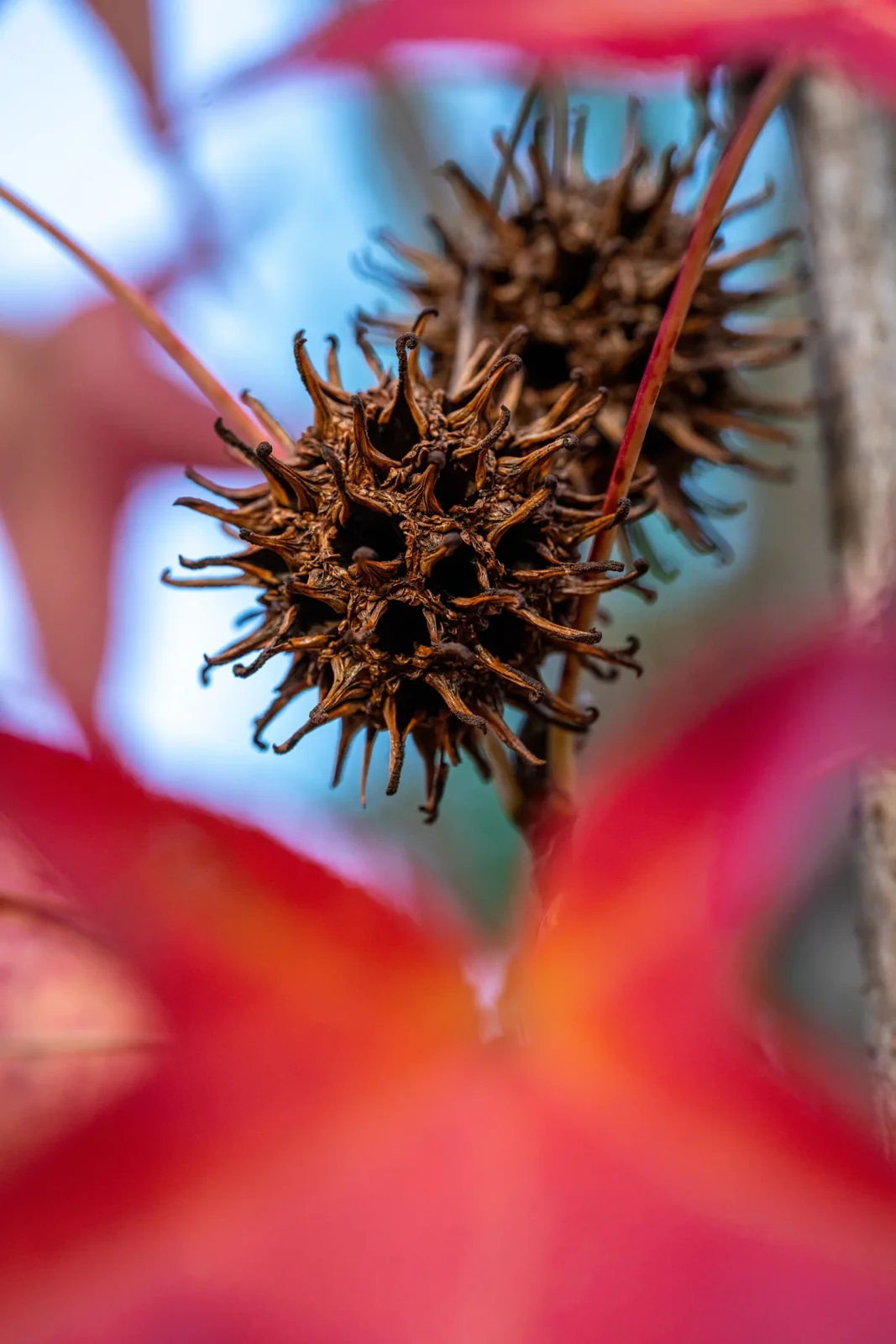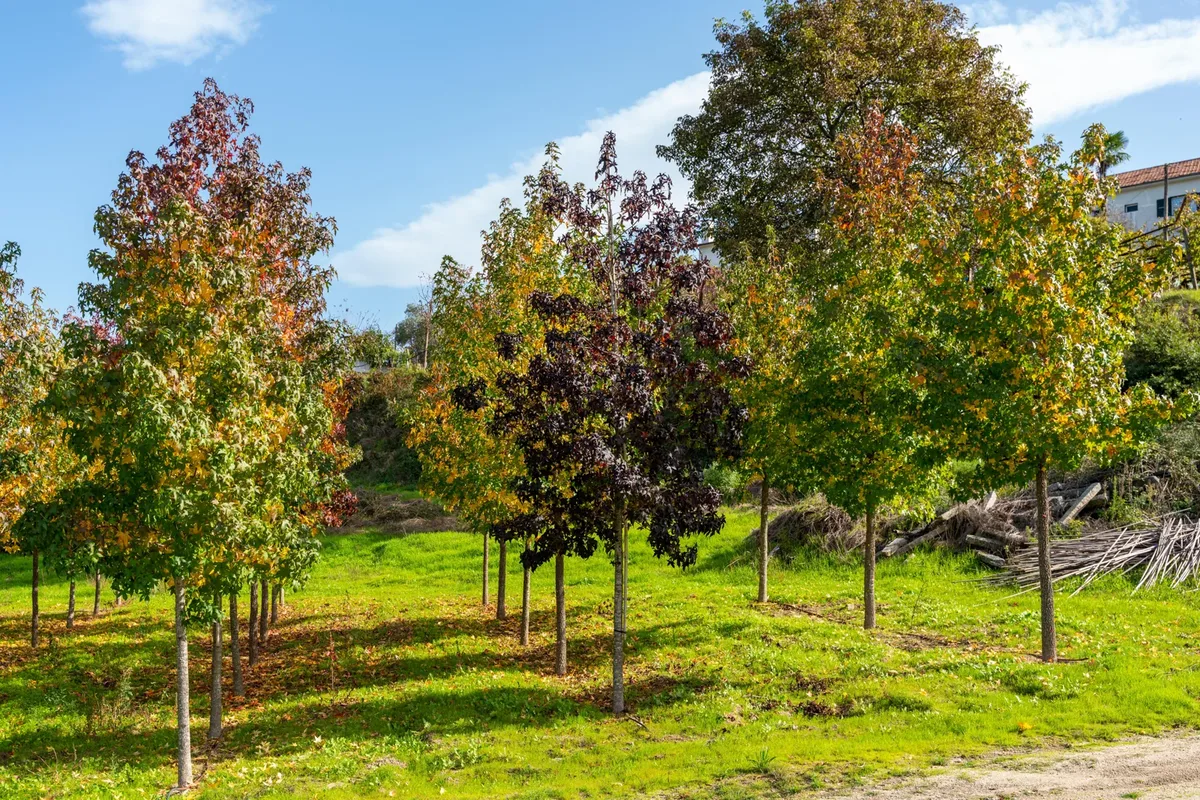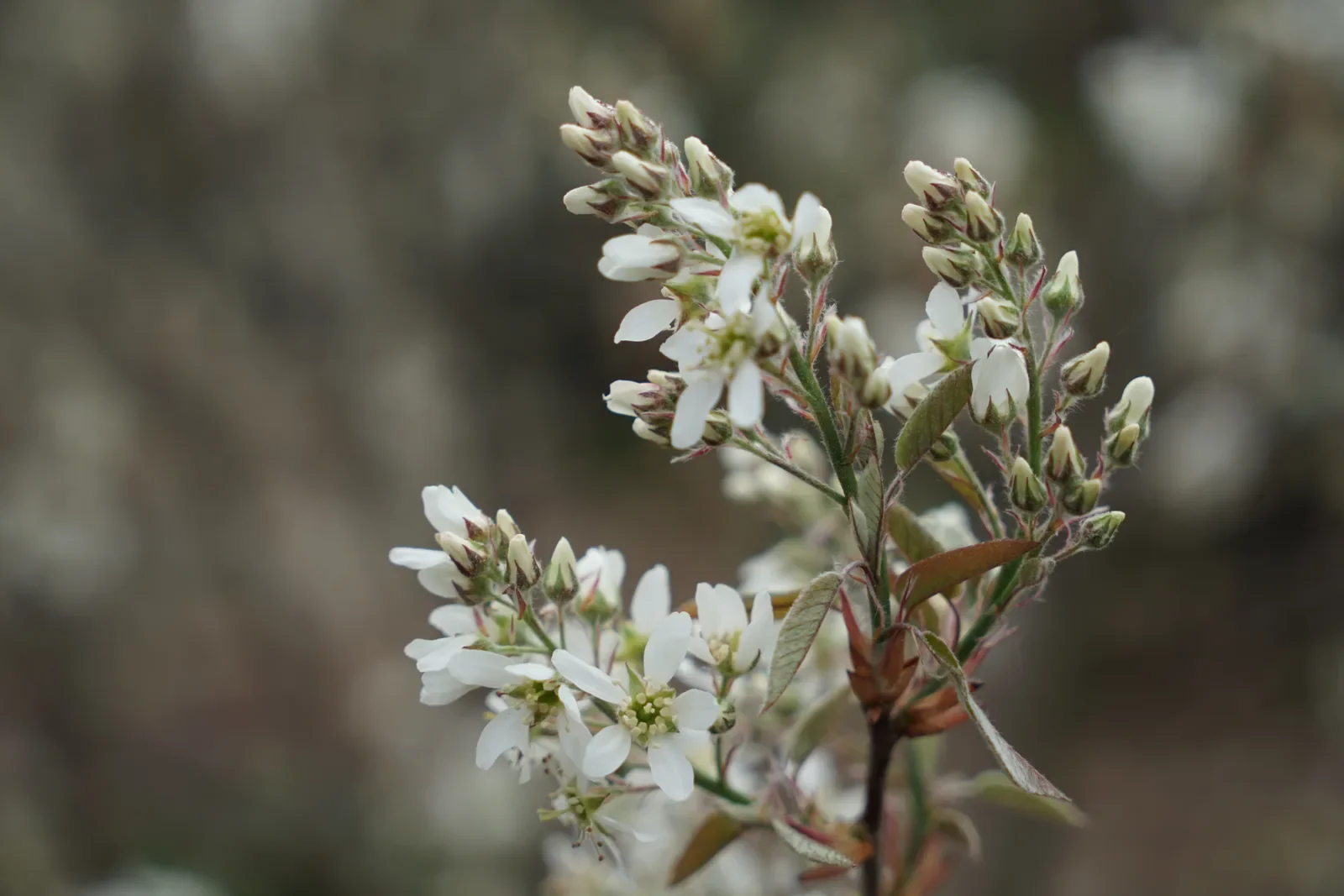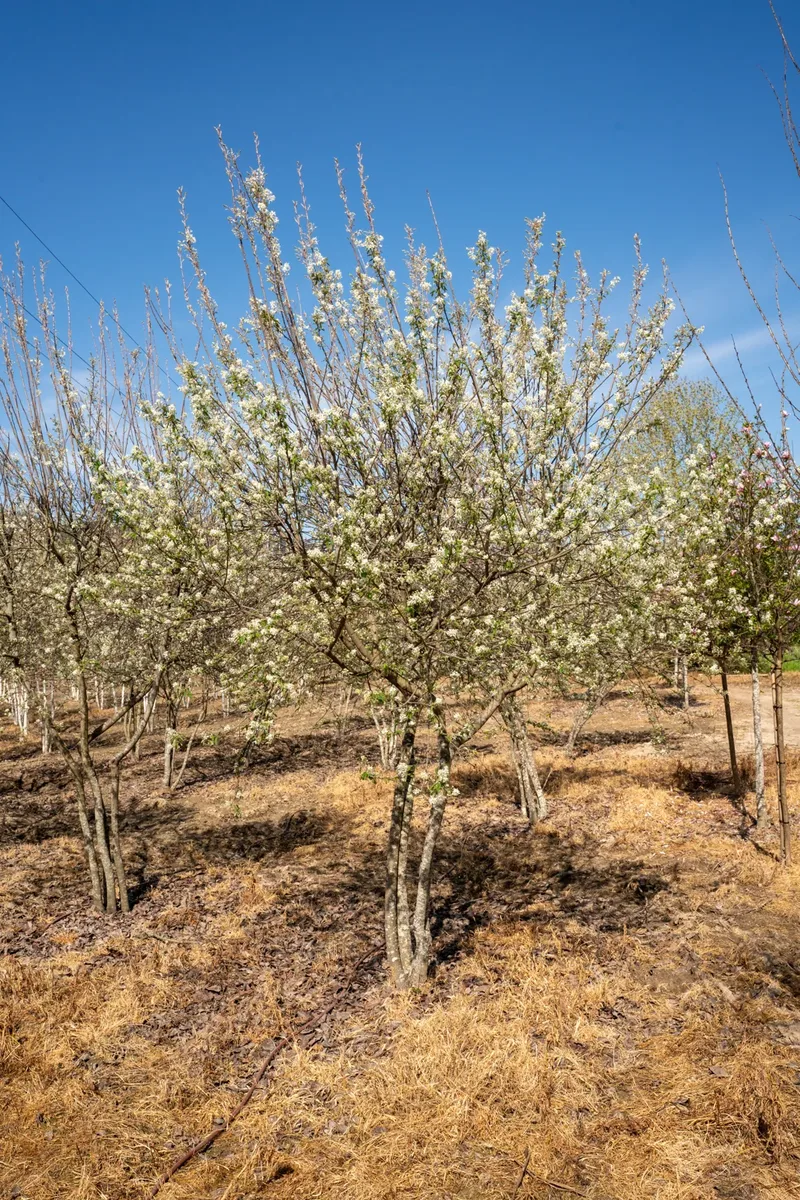
Amelanchier lamarckii — one of the species compared in the article.
Extending the flowering season calls for a succession, not seven species in flower at the same time.
Extending the flowering season calls for a succession, not seven species in flower at the same time. This collection starts in late winter with Camellia and Magnolia, runs through spring with Amelanchier, Prunus and Cornus and reaches summer with Koelreuteria and Lagerstroemia.
The list lets you compare options, but it is no substitute for assessing the site or for choosing the right specimen.
The species in the collection
| Species or cultivar | Role in the composition | Reference conditions | Main limitation |
|---|---|---|---|
| Camellia japonica | large evergreen shrub that flowers early | partial shade, acid soil that is moist and well-drained | sensitive to lime, wind and dry heat |
| Magnolia × soulangeana | small tree with early flowers and a strong presence | gentle sun, moist, well-drained soil | flowers exposed to late frosts; crown takes up width |
| Amelanchier lamarckii | small multi-stem tree with flower, fruit and autumn colour | sun or partial shade, moist, well-drained soil | fruit may drop; size and form vary with training |
| Prunus serrulata ‘Shirotae’ | ornamental cherry with an open crown and white flowers | sun, moist, well-drained soil | short flowering; health and room for the crown matter |
| Cornus kousa | small tree with bracts, fruit and autumn interest | gentle sun or partial shade, moist, well-drained soil | sensitive to water stress and reflected heat |
| Lagerstroemia indica DYNAMITE (‘Whit II’) | cultivar with intense summer flowering | sun, heat and well-drained soil | confirm the trade name, local behaviour and pruning |
| Koelreuteria paniculata | medium-sized tree with summer flowers and decorative fruits | sun, well-drained soil and heat | assess self-seeding, form and regional behaviour |
How to combine them in the project
Choose one or two moments of strong impact and use the remaining species for continuity. Flowering should be read at the scale of the crown and of the distance: a Camellia works close to the path; a Koelreuteria or Lagerstroemia can mark a seating area.
After flowering, assess leaf, fruit, bark and form. A flowering collection is only robust when the plants go on earning their place.
Conditions of use
The final choice should confirm local phenology, cultivar, late frost and how accessible the flowers are. Visual impact does not prove value for pollinators.
Selection at Diaplant
At Diaplant, flowering is organised into a calendar of specimens of different sizes and forms. Visual impact is weighed against how well the plant suits the site and, where relevant, against its value for pollinators.
Related reading
- [109 — Designing a garden for twelve months, not just for spring](../02_Sazonalidade_Fenologia/109_projetar-um-jardim-para-doze-meses-e-nao-apenas-para-a-primavera.md)
- [115 — Long flowering or a succession of flowerings: which makes a more resilient garden?](../02_Sazonalidade_Fenologia/115_floracao-longa-ou-sucessao-de-floracoes-qual-cria-um-jardim-mais-resiliente.md)
Sources
- Trillo, A. et al. Year-round pollinator visitation of ornamental plants in Mediterranean urban parks. (2026).
- Complex floral traits shape pollinator attraction to ornamental plants. (2022).
- Evaluation of the most popular annual flowers sold in the United States and Europe indicates low visitation rates by pollinators and large variation among cultivars. (2024).
- Drought response and urban-pollinator attractiveness of ornamental plant species. (2024).
- Flora-On — Flora de Portugal interativa. Sociedade Portuguesa de Botânica. (2025).
Tags