Diaplant
A phenological calendar records when each plant produces leaf, flower, fruit, autumn colour, leaf fall or bark interest.
A phenological calendar records when each plant produces leaf, flower, fruit, autumn colour, leaf fall or bark interest. In a project, it lets you spot empty months, excessive overlaps and dependence on a single season. It should be built from local observation and kept up to date, not copied from a generic catalogue.
Deciding what to observe
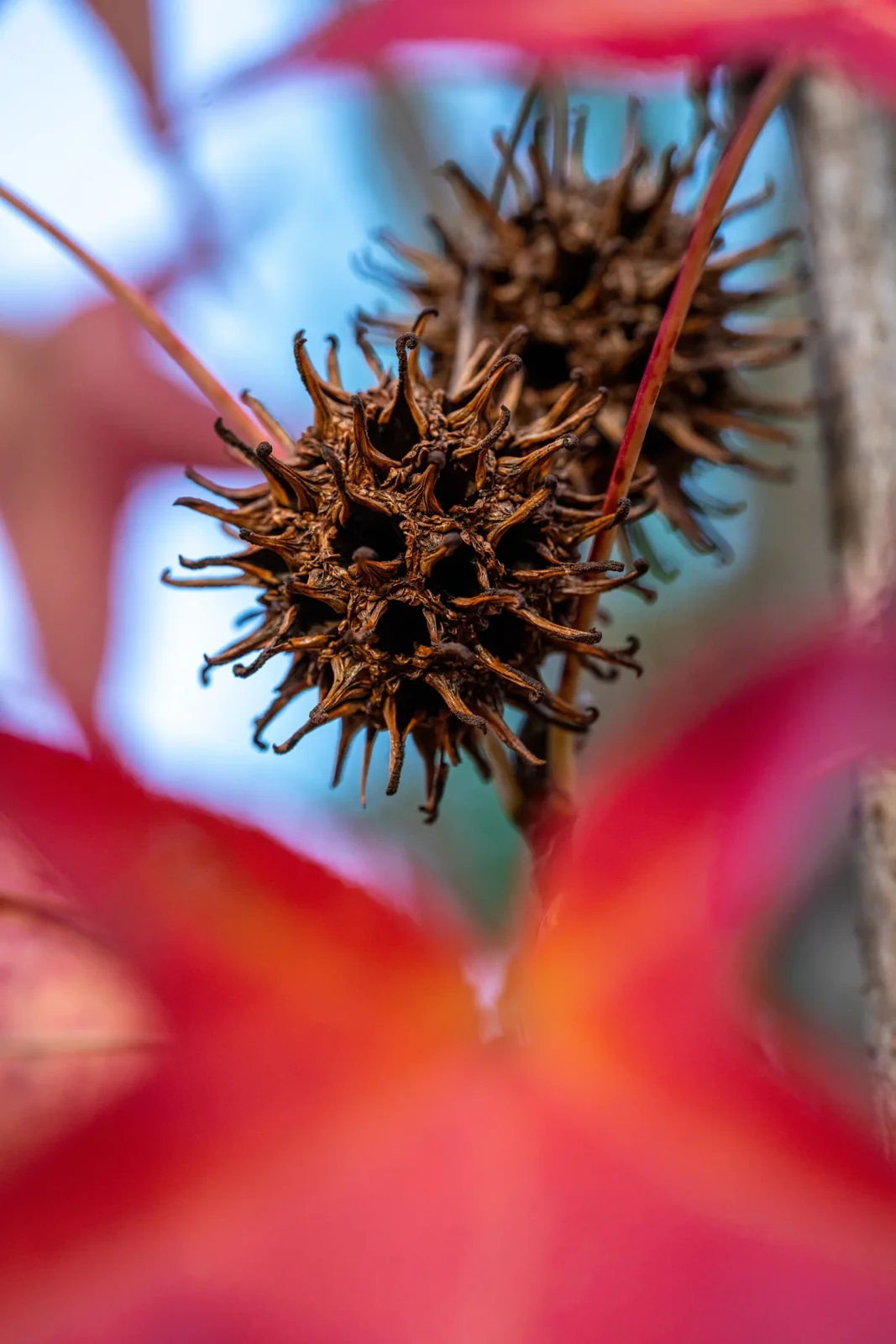
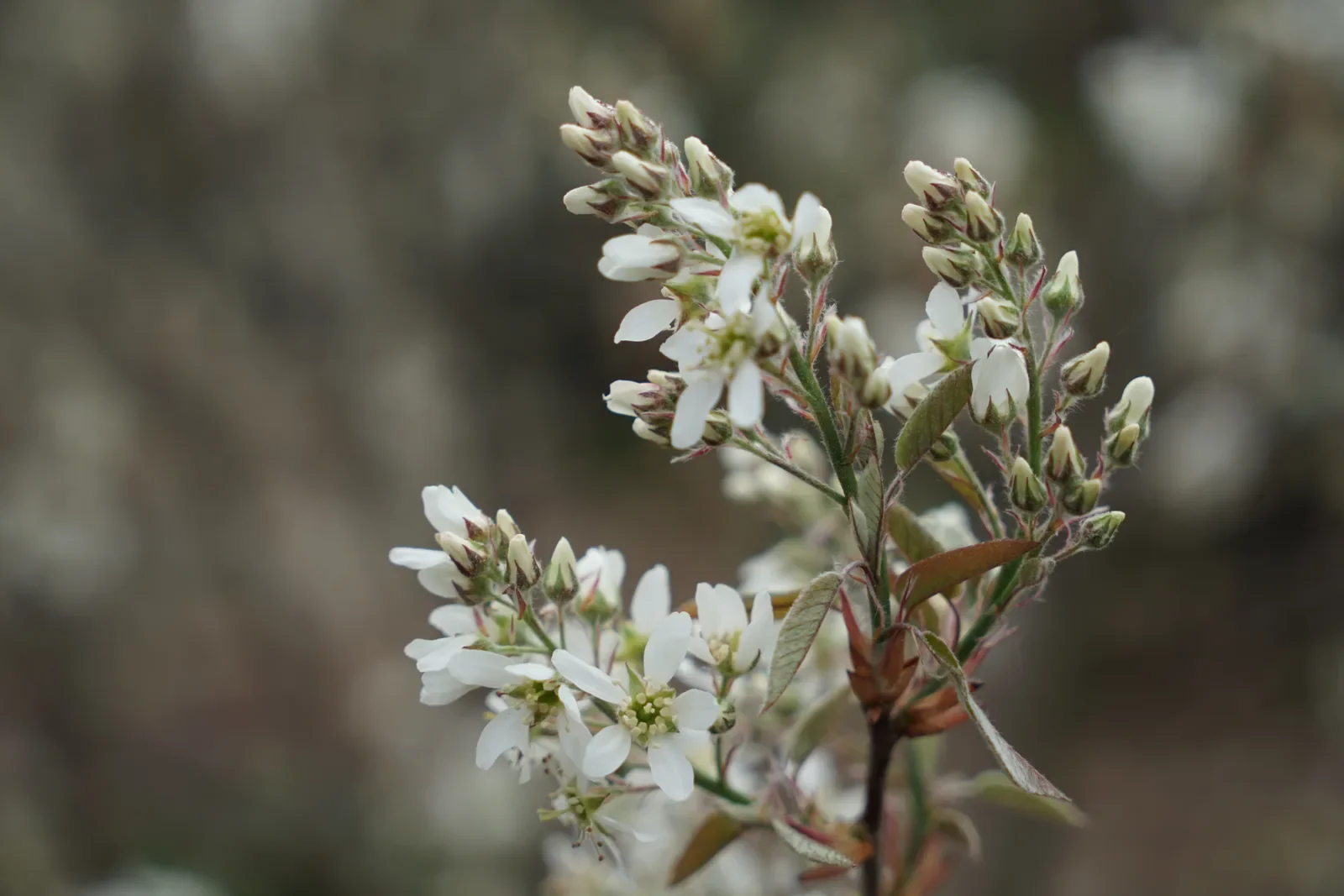
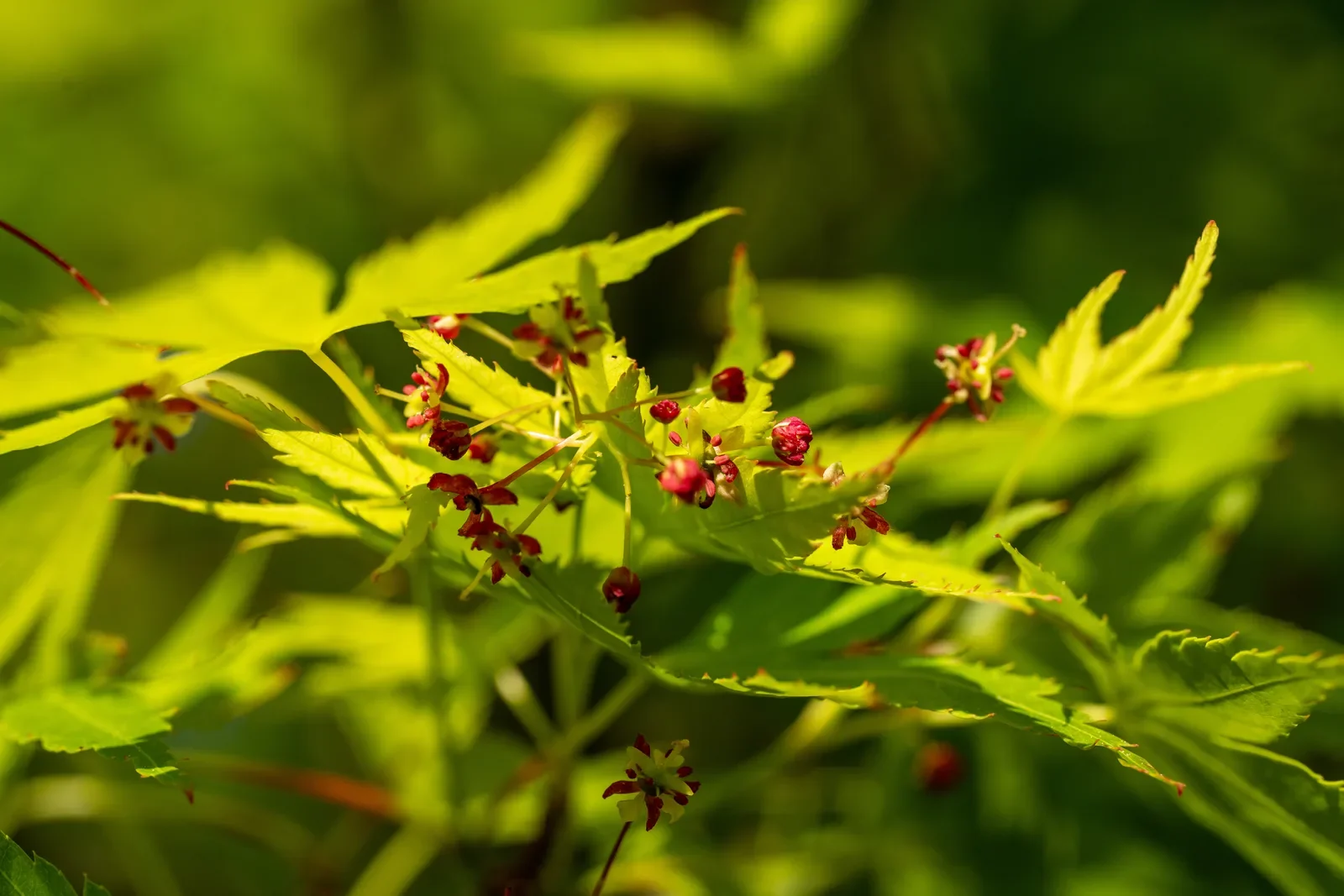
The calendar can include flowering, fruiting, persistence, bud break, leaf fall and structural interest. For biodiversity, it should also distinguish visual presence from an actual resource: a flower can be showy and offer little nectar or pollen; a fruit can persist without being used by the local wildlife.
Each record should identify the species and cultivar, the location, the aspect, and the start, peak and end dates. Photographs at the same scale and weather notes make the record more useful.
Working in windows, not fixed dates
Phenology varies from year to year. Instead of giving a single day, the calendar should use ranges and levels of confidence. A plant may flower two or three weeks earlier in a warm courtyard than in an exposed valley.
A 12-month matrix shows the gaps at a glance. It also helps to spread species across different parts of the garden, so that not every area depends on the same sequence.
Linking observation and maintenance
Pruning, watering and stress alter flowering and fruiting. The record should note any interventions that might explain changes. When a cultivar fails to fruit or a flowering is short, the team needs to know whether the cause is genetic, climatic or a matter of management.
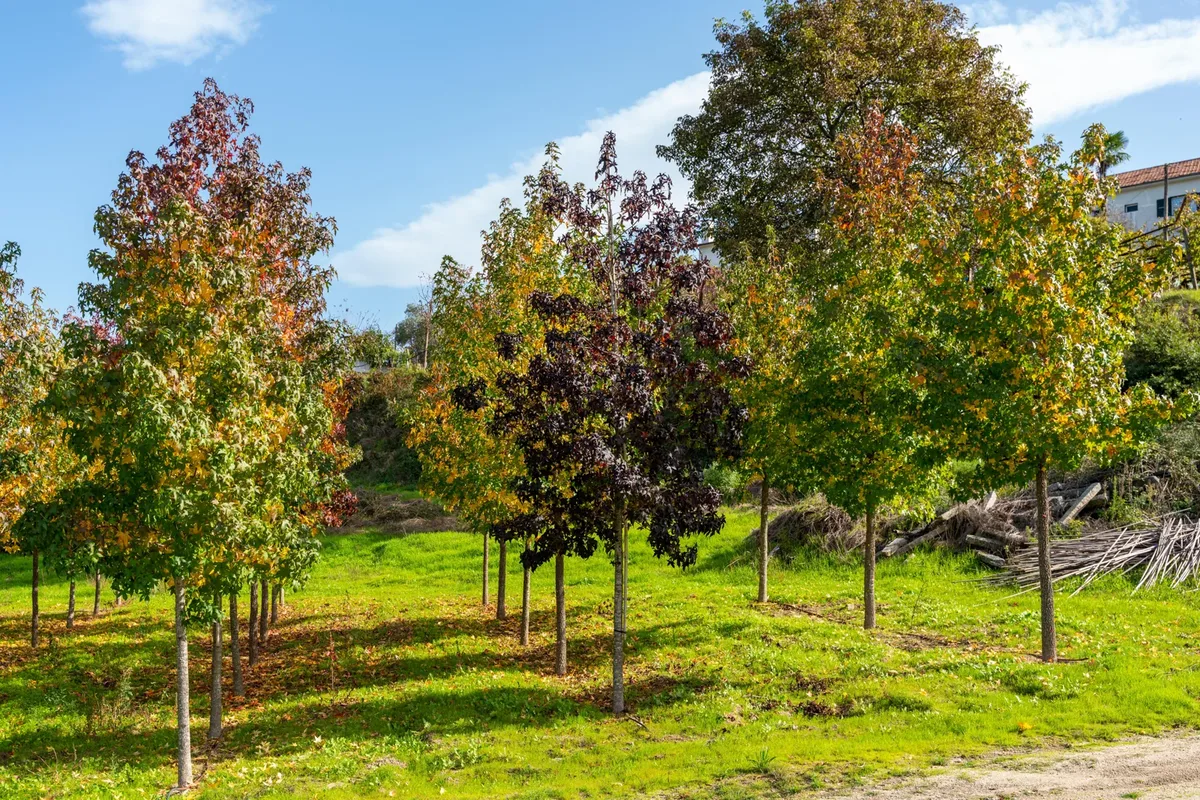
Diaplant can build this base from the nursery and from its sites, photographing representative specimens in Amarante and in other settings. With several years of data, the calendar stops being an abstract forecast and starts to support selection and communication.
Mistakes to avoid
The most common mistakes are using dates from another country without adapting them; recording only the peak of flowering; mixing up species and cultivar; and not noting watering, pruning or aspect.
Applying it to the project
At Diaplant, the phenological calendar is filled in project by project and updated with real observation. Dates are treated as variable windows, not as fixed guarantees.
A phenological calendar is simple to start and gains value over time. Its strength lies in repeating the observations and in the link between what is forecast, what is planted and what actually happens.
Sources
- Trillo, A. et al. Year-round pollinator visitation of ornamental plants in Mediterranean urban parks. (2026).
- Monthly Alternations of Core Plant Species in Dynamic Plant-Pollinator Networks of an Urban Botanical Garden. (2025).
- Flora-On — Flora de Portugal interativa. Sociedade Portuguesa de Botânica. (2025).
Tags