Diaplant
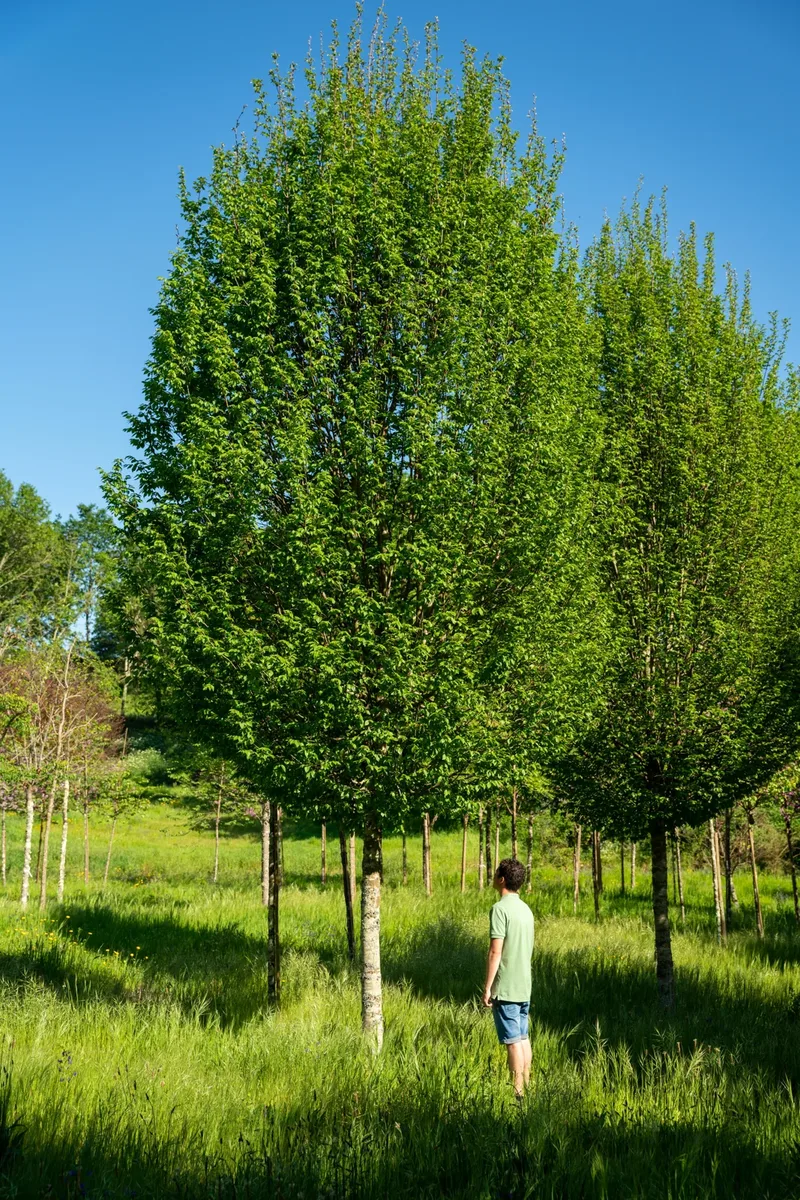
Trees reduce exposure to heat mainly through shade and evapotranspiration. The benefit a person feels depends on the position of the crown.
Trees reduce exposure to heat mainly through shade and evapotranspiration. The benefit a person feels depends on the position of the crown, the time of day, the water available, the climate and the urban form.
A percentage of canopy cover is useful for assessing an area, but on its own it does not explain comfort on a pavement or in a square.
Shade changes the radiation received
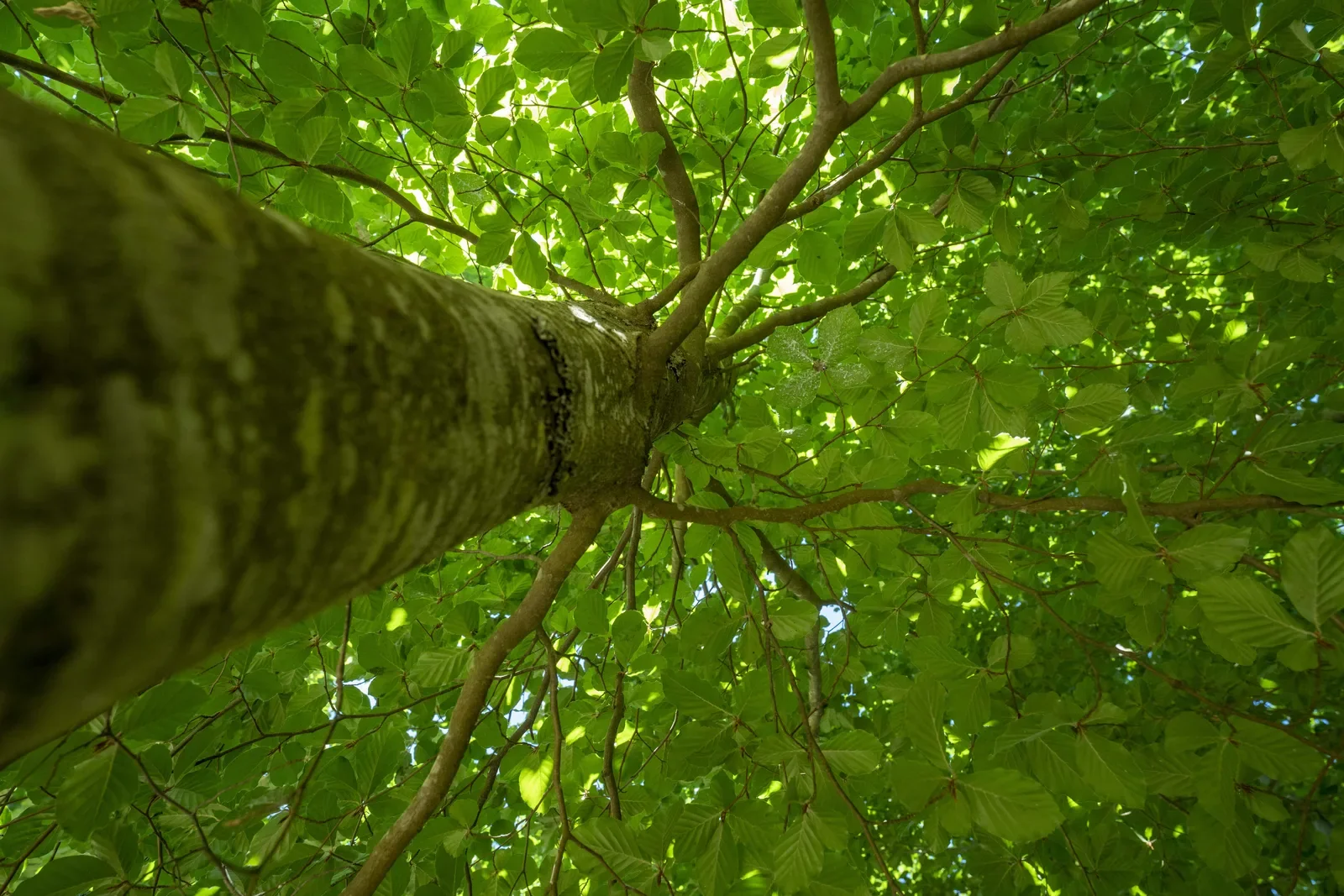
Under a crown, the body and the paving receive less direct solar radiation. This change can matter a great deal for comfort, even when the air temperature varies little.
That is why it matters where the shade falls at the hours of greatest use. A tree planted on the wrong side of the street can add cover without protecting the critical route.
Evapotranspiration
Leaves release water and use energy in the process. This mechanism helps to cool the air and nearby surfaces.
The effect depends on the water the tree is able to absorb. In drought, many species close their stomata and reduce transpiration. Tree planting without enough soil and irrigation does not deliver the climate service expected in the design.
Differences between places
A meta-analysis published in 2024 brought together 182 studies from 110 cities or regions and showed that cooling efficacy varies with the background climate, the urban form and tree traits. The study recorded strong effects in some contexts, but also situations with little benefit or even localised warming through reduced ventilation and trapped radiation.
This makes it impossible to turn a maximum value measured in one case into a promise for every street.
Form, density and species
Dense crowns block more radiation, but they can reduce air movement in compact spaces. Deciduous trees give shade in summer and let the sun through in winter.
Mixing evergreen and deciduous trees can improve performance in some climates, but the solution depends on urban morphology and the water available.
Timescale
A young tree does not provide the crown expected at maturity. Planting many small trees does not immediately replace the conservation of existing specimens.
The scheme should distinguish between the number of trees planted, survival and actual cover over the years.
Distribution and equity
A city can show good average cover and still have neighbourhoods with little shade. The benefit needs to be close to housing, schools, pedestrian routes and places where people stay.
Prioritising the areas most exposed to heat may require physical changes and investment in soil, not just a planting campaign.
Limits of the solution
Trees are no substitute for cutting emissions, suitable urban materials, built shade and building design. They can also come into conflict with services and consume water in a context of scarcity.
Their value lies in making them part of an adaptation strategy, with enough space and maintenance for them to last.
What to measure
Air temperature, surface temperature and radiant temperature are not the same thing. Studies and designs should state which was measured, when and under what conditions.
In public space, the user’s experience depends on the combination of these variables with wind and humidity.
Conserving the canopy that already exists
A mature tree that is removed is not replaced straight away by several young plantings. New planting needs years to produce equivalent shade.
Thermal comfort strategies should therefore combine conservation, improving the soil of existing trees and new planting. Counting only the trees planted can hide a net loss of canopy for decades.
Sources and supporting references
- Rahman, M. A. et al. (2024). Cooling efficacy of trees across cities is determined by background climate, urban morphology, and tree trait. Communications Earth & Environment.
- Teng, S. N. et al. (2024). Green spaces provide substantial but unequal urban cooling globally. Nature Communications.
- Plano Municipal de Arborização do Porto.
Tags