Diaplant
Host plants and nectar plants perform different functions. The former feed larval stages or support specific relationships; the latter provide floral resources for adults.
Host plants and nectar plants perform different functions. The former feed larval stages or support specific relationships; the latter provide floral resources for adults. A garden can have plenty of flowers and still offer few of the conditions needed to complete life cycles.
What a host plant is
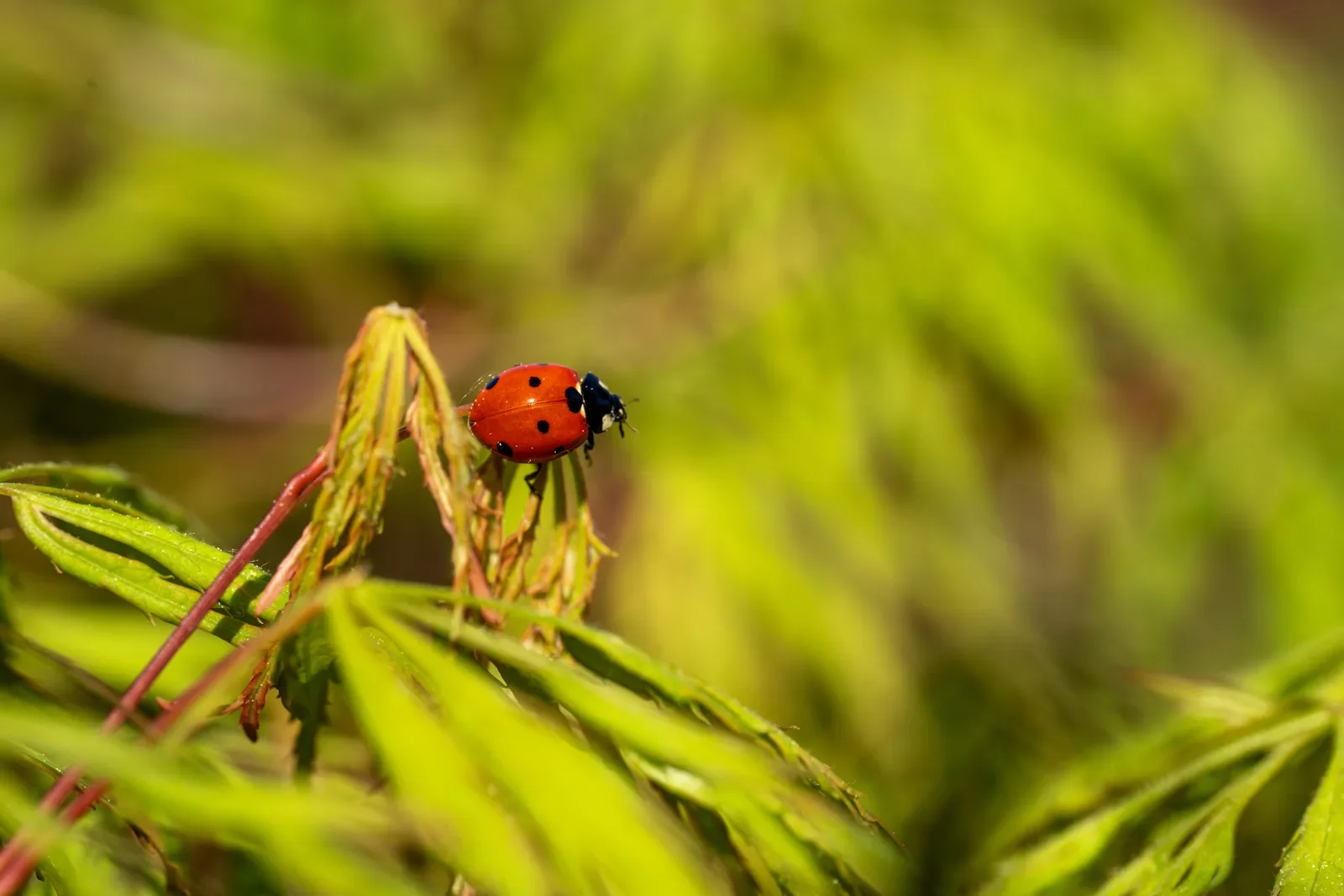
A host plant is used by a particular organism for feeding, reproduction or development. Many caterpillars depend on specific plant groups. Eaten leaves are part of the ecological function and should not automatically be treated as a defect.
Trees and shrubs can support large communities of invertebrates, which in turn feed birds. This relationship is one of the reasons for including species whose value goes beyond flowering.
The role of nectar and pollen plants
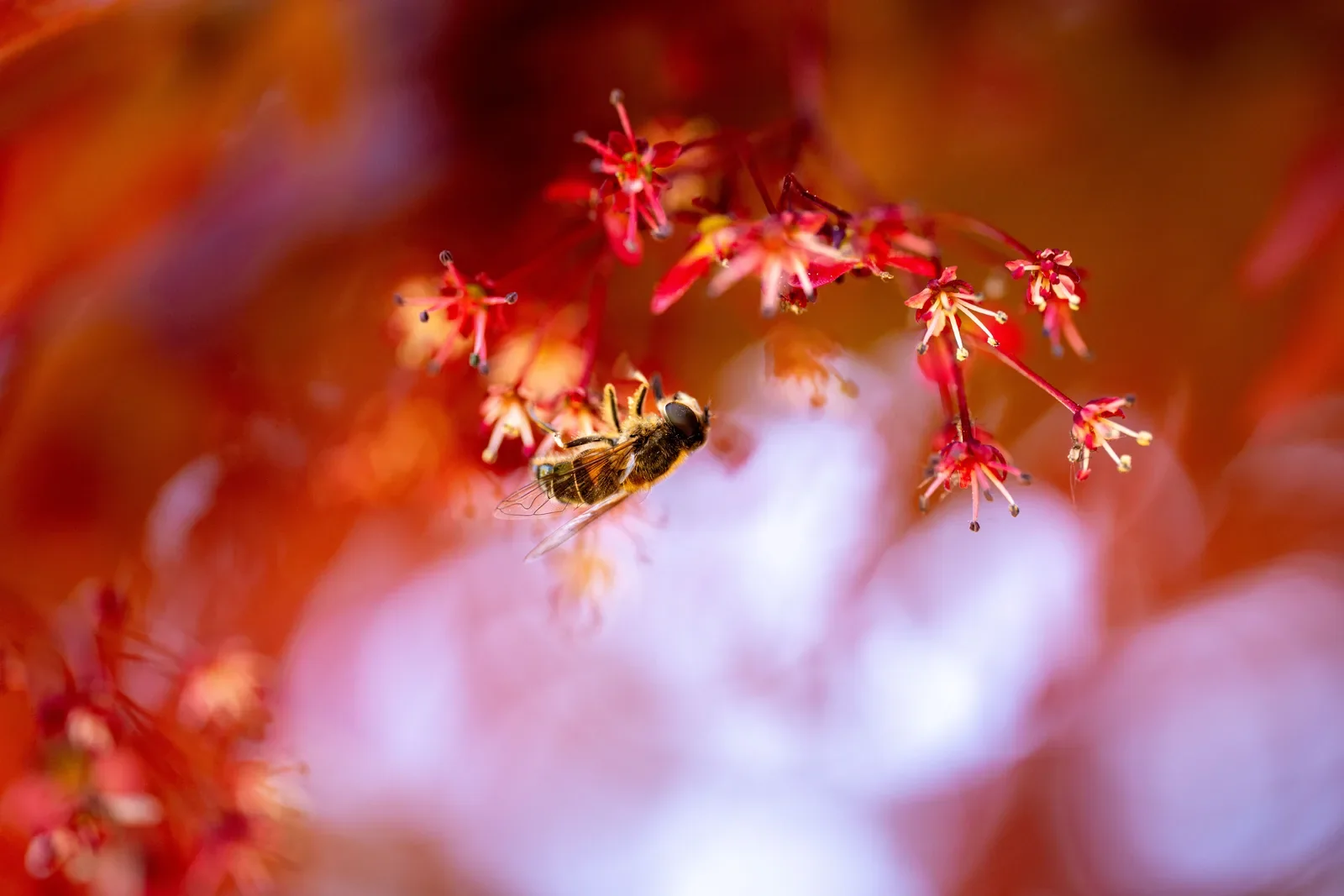
Flowers feed adult insects, but accessibility varies. Flower shape, depth, cultivar and management all influence use. A showy ornamental plant may receive few visits, while inconspicuous flowers may be heavily used.
Timing matters too. Abundant resources for a few weeks do not make up for months with nothing on offer.
Combining life cycles in the design
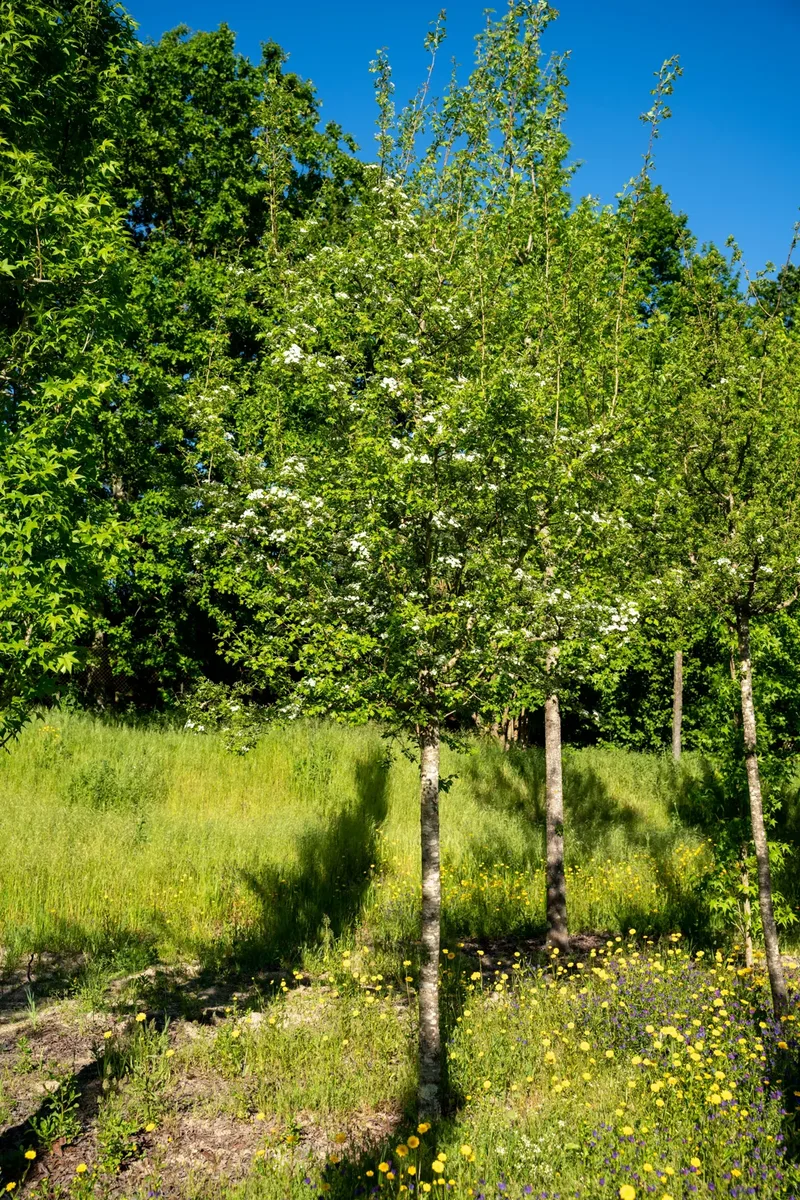
A fuller palette includes host plants, flowers at different times, shelter and less disturbed areas. There is no need to maximise every function in every bed. They can be distributed by zone, with the zones linked to one another.
Communication with the client is essential. Some leaf damage should be accepted when it is compatible with the ecological aim, distinguishing normal feeding from an infestation capable of compromising the plant.
Before going ahead
The most common mistakes are treating every eaten leaf as a pest problem; judging ecological value by the flower alone; using cultivars without checking their fertility; and leaving no areas of shelter between stages of the cycle.
Applying it to the project
At Diaplant, we distinguish plants that feed adults from those that sustain larval stages. This distinction avoids generic recommendations and helps to build compositions with complementary ecological functions.
A garden that supports life cycles combines larval and adult food. Flowers are important, but they do not replace host plants.
Related reading
- [117 — A biodiverse garden is not made of flowers alone](117_um-jardim-biodiverso-nao-se-faz-apenas-com-flores.md)
Sources
- Narango, D. L.; Tallamy, D. W.; Marra, P. P. Nonnative plants reduce population growth of an insectivorous bird. (2018).
- Contrasting effects of tree origin and urbanization on invertebrate abundance and tree phenology. (2021).
- European Commission. Pollinators and EU Pollinator Monitoring Scheme. (2025).
Tags