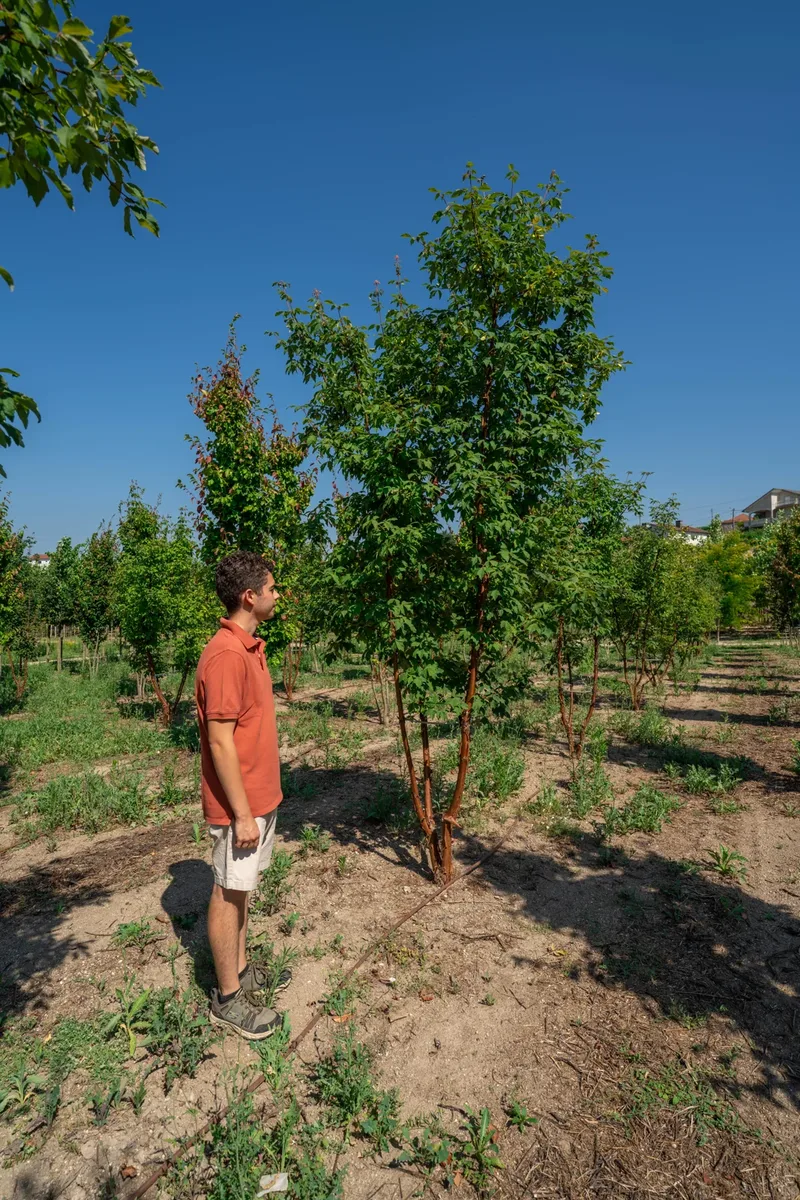
Acer griseum — one of the species in the pack.
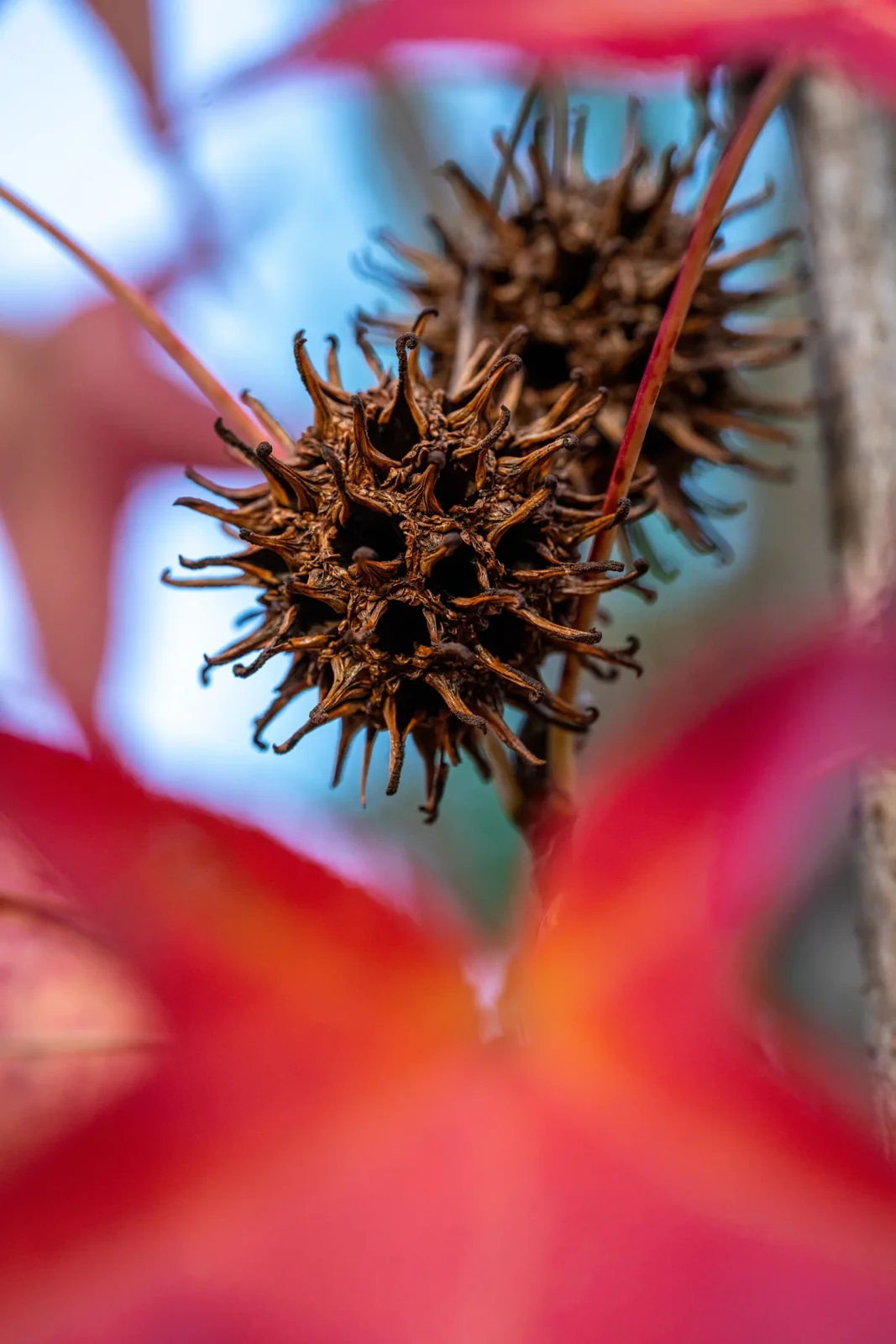
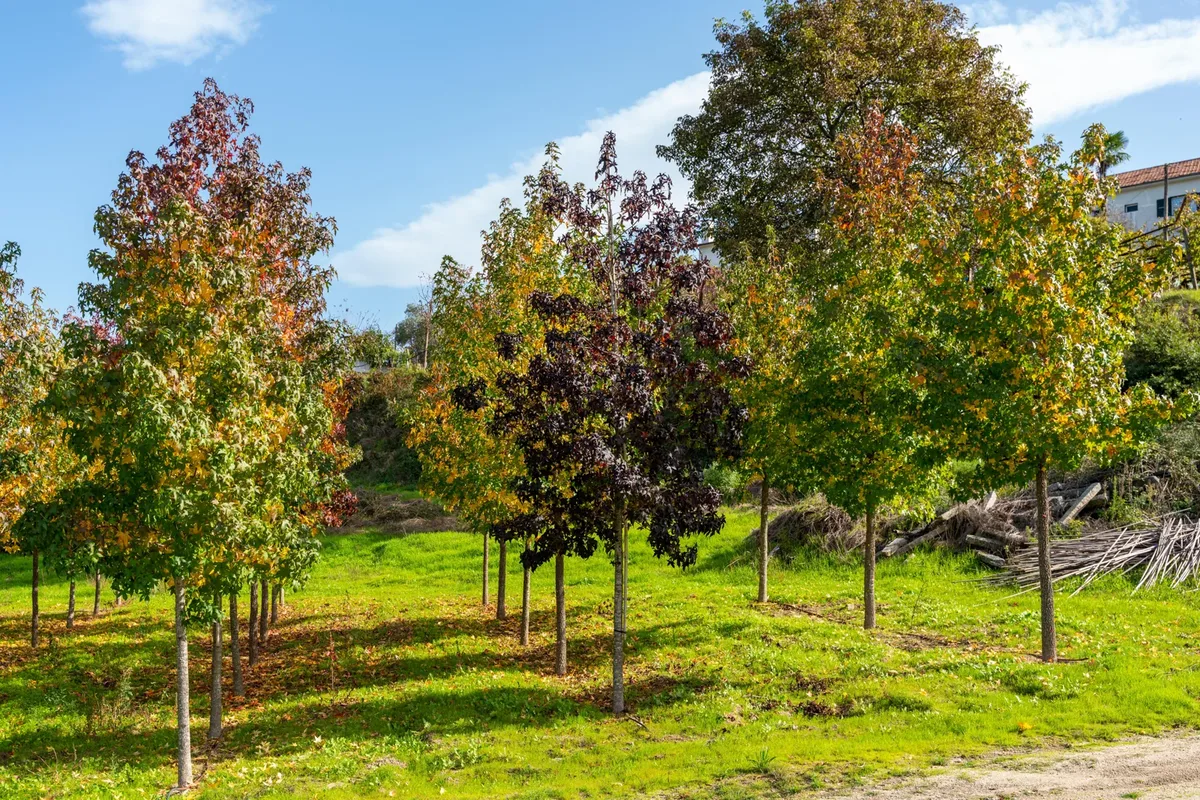
A four-season collection combines flower, fruit, autumn colour, bark, evergreen foliage and form to spread interest through the year.
A four-season collection combines species that do not depend on a single moment. Flower, fruit, autumn colour, bark, evergreen foliage and form work in sequence, so that the garden stays legible in winter and avoids a peak concentrated in spring.
This selection is a starting point. The final choice depends on the conditions of the site, the size you want and the specimens available.
The species in the collection
| Species or cultivar | Role in the composition | Reference conditions | Main limitation |
|---|---|---|---|
| Acer griseum | small tree with peeling bark and strong autumn interest | sun or partial shade, moist, well-drained soil | growth generally moderate and limited availability of large specimens |
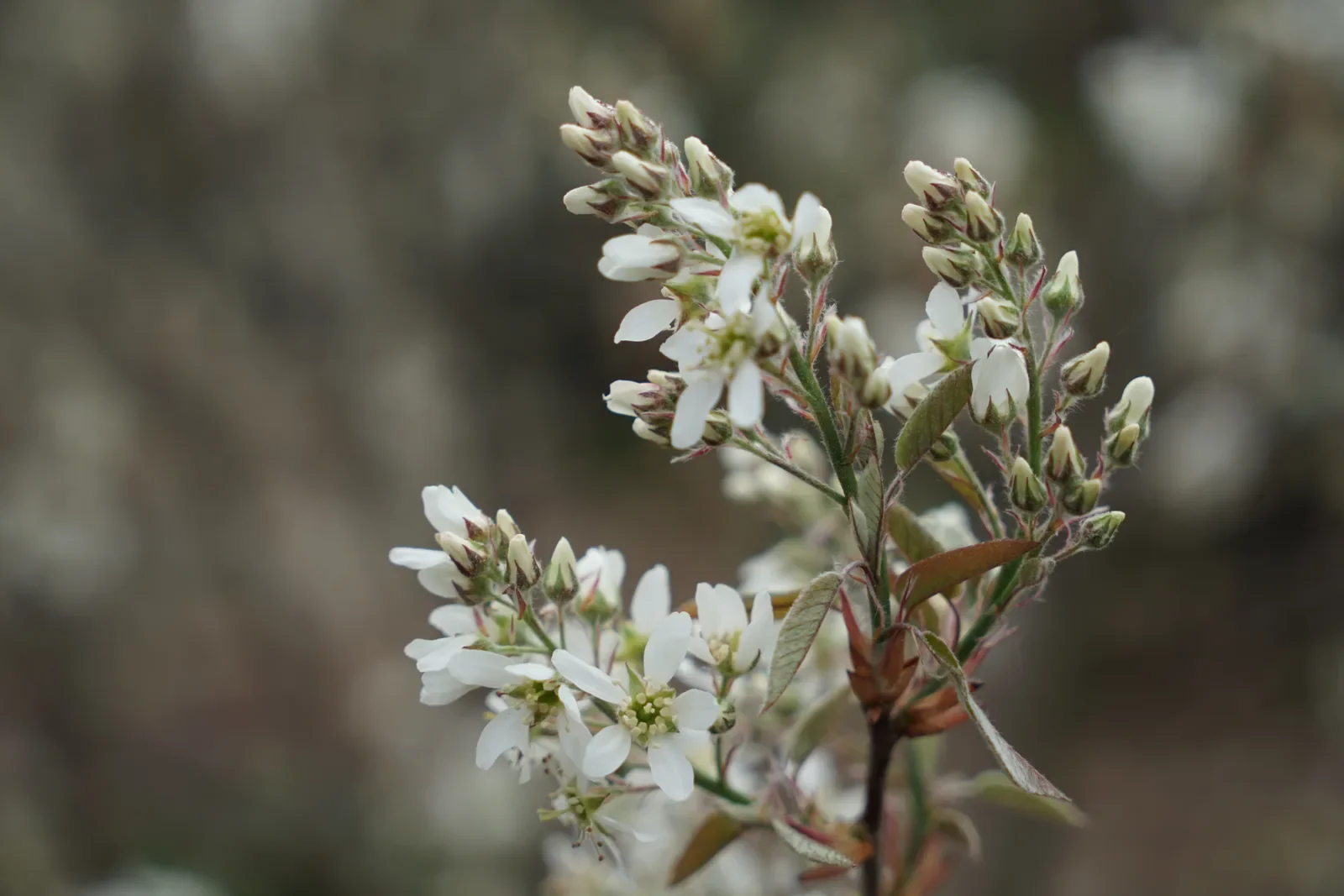
| Amelanchier lamarckii | small multi-stem tree with flower, fruit and autumn colour | sun or partial shade, moist, well-drained soil | fruit may drop; size and form vary with training |
| Cornus mas ‘Golden Glory’ | small tree or large shrub with very early flowering | sun to partial shade, well-drained soil | confirm cultivar, fruiting and training form |
| Arbutus unedo | Mediterranean evergreen with flower and fruit late in the year | sun to partial shade, well-drained soil | avoid waterlogging and check there is room for the crown |
| Malus ‘Evereste’ | small tree with flower and persistent fruit | sun, moist, well-drained soil | confirm the trade name and allow for fruit drop and health |
| Parrotia persica | small to medium tree with bark and autumn colour | sun or partial shade, moist, well-drained soil | form can be wide and multi-stem |
| Lagerstroemia indica | small tree or large shrub with summer flowering and bark | sun and heat, well-drained soil with enough water during establishment | flowering depends on heat and pruning; sensitive to cold depending on the cultivar |
| Sorbus aucuparia | small tree with flower, fruit and autumn colour | sun to partial shade, a cool climate and well-drained soil | can suffer from heat and drought in Portugal |
How to combine them in the project
Acer griseum and Parrotia add bark and autumn; Amelanchier and Cornus mas start with flower and carry on with fruit; Arbutus keeps its leaves and works the late seasons; Malus and Sorbus provide fruit; Lagerstroemia takes the summer.
It is more effective to share out functions than to look for one plant that does everything. One or two species structure the space and the rest create moments.
Conditions of use
The final choice should confirm the local calendar, the nomenclature of Malus, how long the fruit persists, health and behaviour in the north and the south of Portugal.
Selection at Diaplant
At Diaplant, the four-season collection is put together from real specimens and a local calendar, cross-referencing flower, fruit, autumn, bark and evergreen foliage.
Related reading
- [109 — Designing a garden for twelve months, not just for spring](../02_Sazonalidade_Fenologia/109_projetar-um-jardim-para-doze-meses-e-nao-apenas-para-a-primavera.md)
Sources
Tags