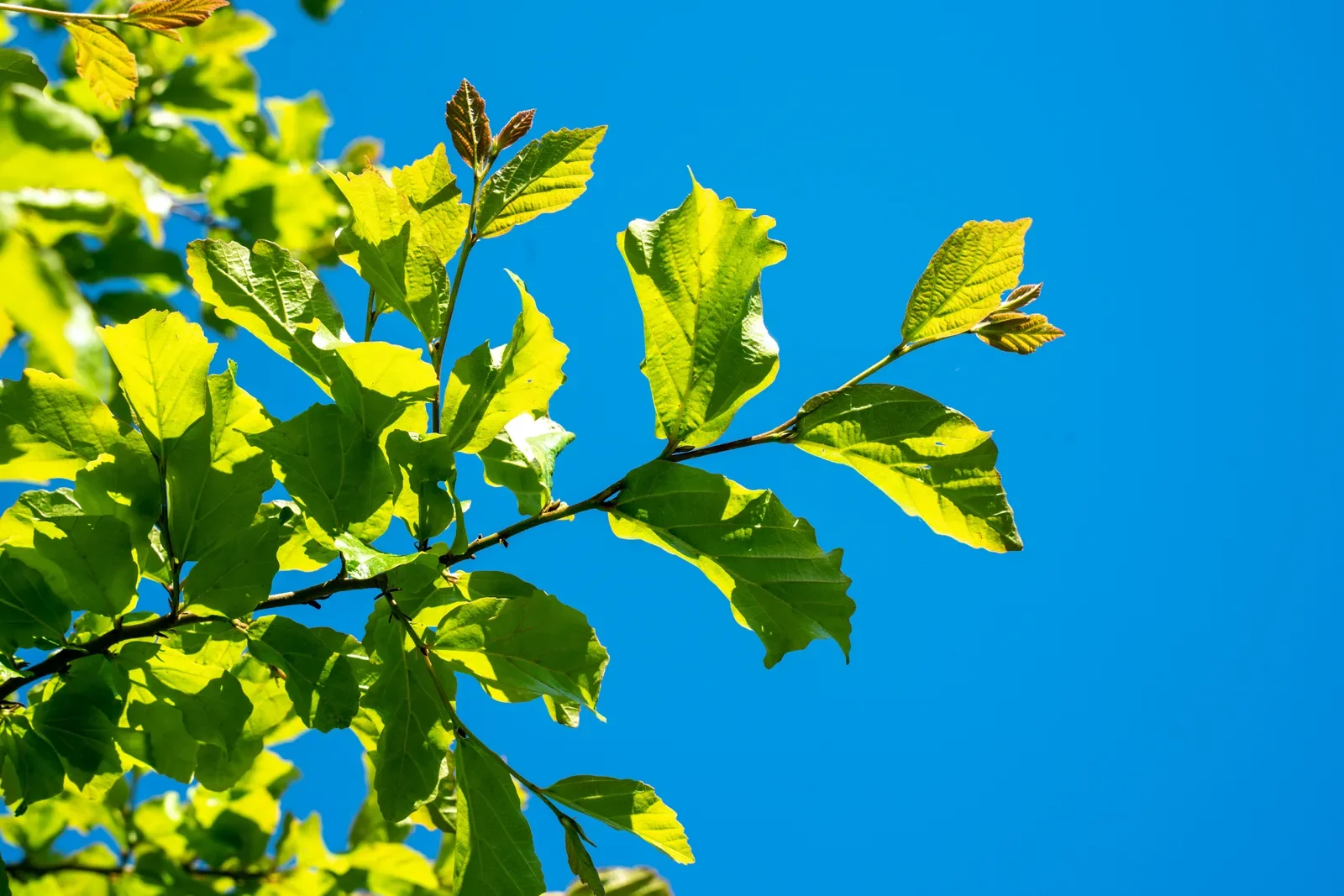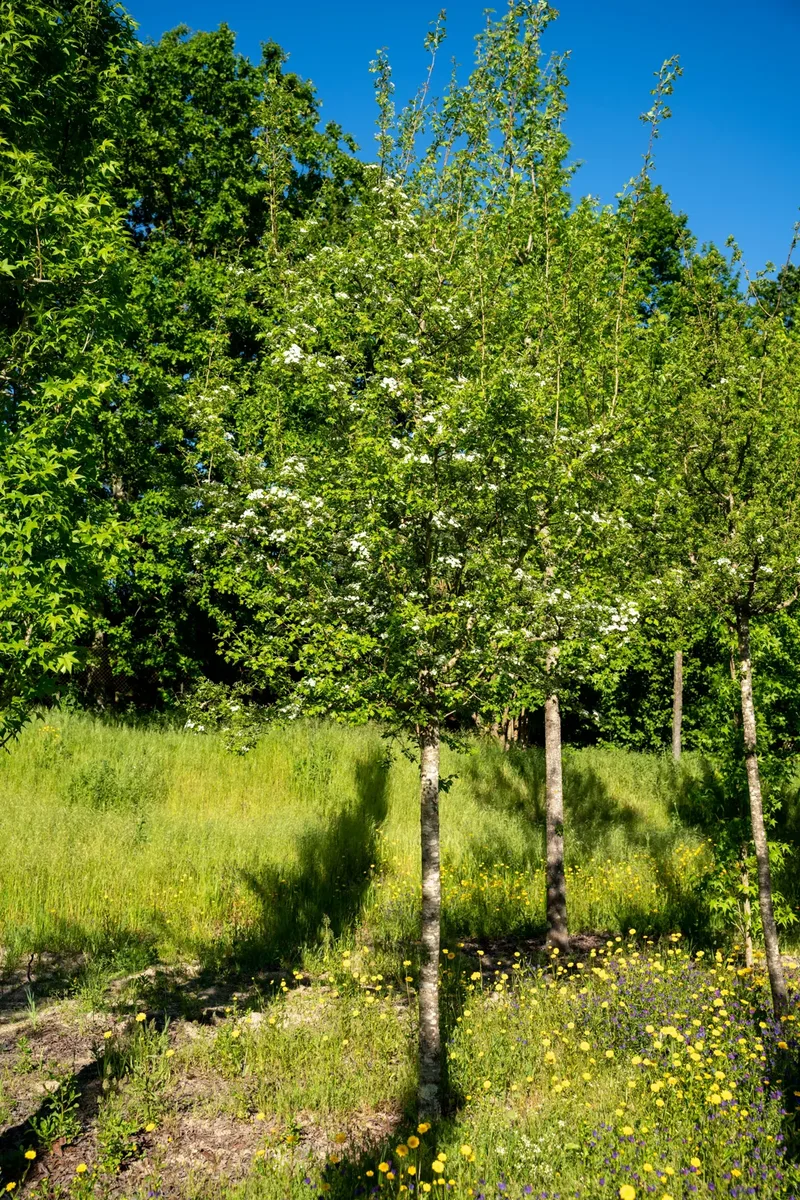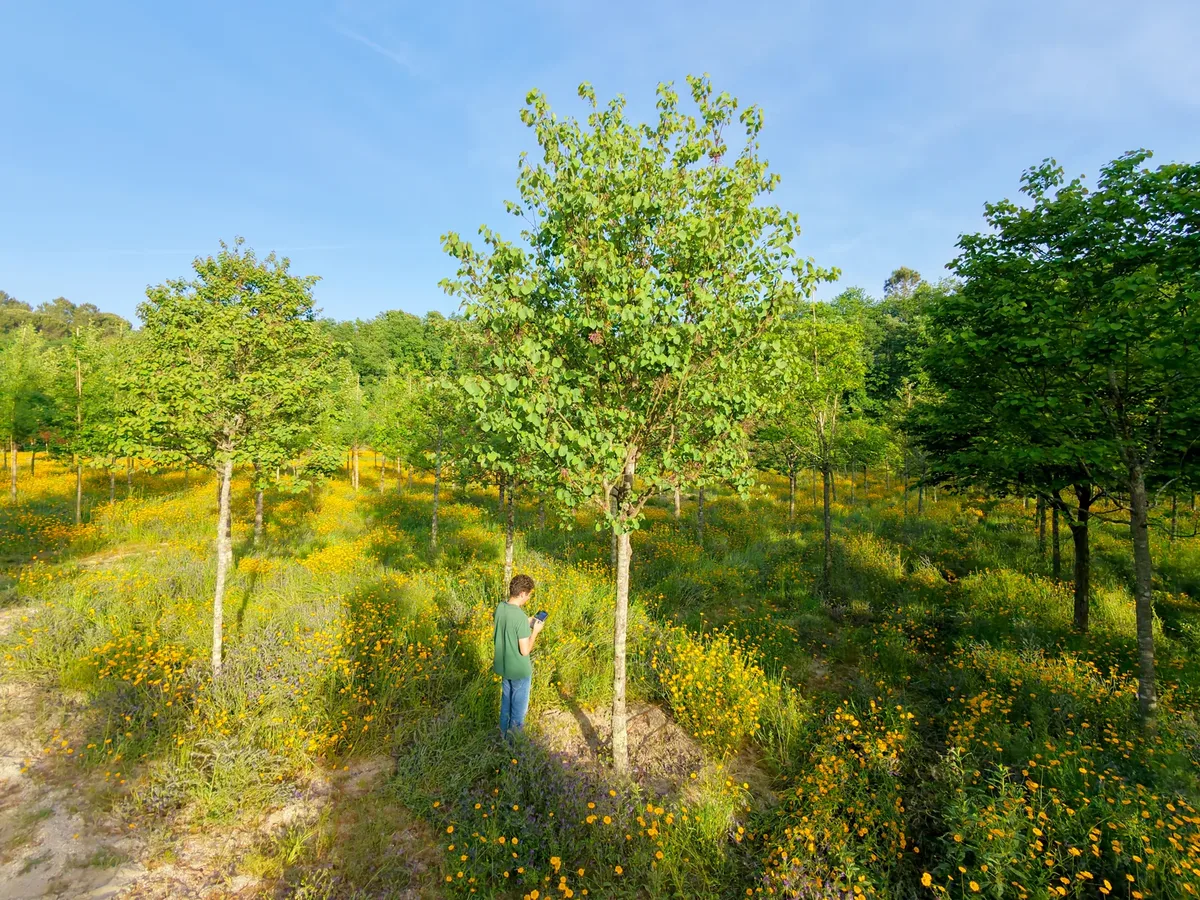
Cercis siliquastrum — one of the species in the pack.
A woody palette for pollinators should fill the calendar from late winter to autumn, combining trees, shrubs and subshrubs.
A woody palette for pollinators should fill the calendar from late winter to autumn, combining trees, shrubs and subshrubs. The aim is not to assemble the greatest number of flowers, but to avoid periods with no resource and to confirm that the flower is accessible and offers nectar or pollen.
The species below should be read as design alternatives. Soil, climate, space and availability determine the final decision.
The species in the collection
| Species or cultivar | Role in the composition | Reference conditions | Main limitation |
|---|---|---|---|
| Cornus mas ‘Golden Glory’ | small tree or large shrub with very early flowering | sun to partial shade, well-drained soil | confirm cultivar, fruiting and training form |
| Cercis siliquastrum | small tree that flowers in spring on the trunk and branches | sun, well-drained soil | dislikes waterlogging and can suffer from a badly handled transplant |
| Crataegus monogyna | small native tree with flower, fruit and shelter | sun, varied, well-drained soils | thorns, fruit drop and plant health should be considered |
| Arbutus unedo | Mediterranean evergreen with flower and fruit late in the year | sun to partial shade, well-drained soil | avoid waterlogging and confirm there is room for the crown |
| Koelreuteria paniculata | medium-sized tree with summer flowering and decorative fruits | sun, well-drained soil and heat | assess self-seeding, form and regional behaviour |
| Styphnolobium japonicum | tree with late-summer flowering, currently accepted as Styphnolobium japonicum | sun, deep, well-drained urban soil | confirm the accepted name and allow for flower and fruit drop |
| Mahonia × media ‘Charity’ | evergreen shrub with winter flowering | partial shade or gentle sun, moist soil | spiny leaves and size mean it should be kept away from paths |
| Erica carnea | low subshrub with winter flowering | sun to partial shade, well-drained soil | compatibility with pH should be confirmed |
| Calluna vulgaris | low subshrub for seasonal massed planting on acid soil | sun, acid, well-drained soil | does not work on chalky or waterlogged soils |
| Myrtus communis | Mediterranean evergreen shrub with flower and fruit | sun to partial shade, well-drained soil | grows larger than many garden descriptions suggest |
| Cistus spp. | group of Mediterranean subshrubs for flowering and low structure | sun and drainage | each species has its own size and tolerances; do not treat the genus as uniform |
| Caryopteris × clandonensis | late-flowering subshrub, useful at the end of summer | sun, well-drained soil | may die back in winter and needs appropriate pruning |
How to combine them in a project
Cornus mas and Mahonia can open the calendar early. Cercis, Crataegus and Cistus strengthen spring. Koelreuteria, Myrtus and Caryopteris carry on through summer; Arbutus adds a late window. Erica and Calluna help to cover times of lower supply, depending on climate and cultivar.
Organising the plants by layers reduces competition and makes the composition easier to read. Maintenance should protect the flowering windows, avoiding pruning everything at the same time.
Conditions of use
Use the accepted name Styphnolobium japonicum where appropriate, and check cultivar, fertility, watering, floral accessibility and Mediterranean observations.
Selection at Diaplant
At Diaplant, the woody calendar for pollinators combines species of different sizes and flowering times. Each taxon is assessed on accessibility and on the resource observed, not just on the presence of flowers.
Sources
- Trillo, A. et al. Year-round pollinator visitation of ornamental plants in Mediterranean urban parks. (2026).
- Complex floral traits shape pollinator attraction to ornamental plants. (2022).
- Evaluation of the most popular annual flowers sold in the United States and Europe indicates low visitation rates by pollinators and large variation among cultivars. (2024).
- European Commission. Pollinators and EU Pollinator Monitoring Scheme. (2025).
Tags